Source:https://hips.hearstapps.com

The golden age of American automotive design produced some of the most powerful and iconic vehicles ever built, with classic muscle cars standing as the epitome of performance and style. Born during the 1960s and early 1970s, these vehicles were characterized by large engines, bold aesthetics, and an unapologetic focus on raw power. These machines were not just cars; they became cultural symbols of freedom, rebellion, and a generation’s love for speed. In this article, we will explore the history, evolution, and lasting legacy of classic muscle cars, which continue to inspire car enthusiasts and collectors around the world today.

1. The Birth of the Muscle Car Phenomenon

The muscle car era began in the United States in the early 1960s. Automakers were increasingly focused on creating performance-oriented vehicles that could capture the attention of young, thrill-seeking drivers. The rise of the middle class, combined with a growing interest in sports and racing, created the perfect conditions for the muscle car to emerge. It was a time when power, speed, and aggression on the road were the primary goals of automotive design.

1.1 The Early Days: 1960s Origins

The first true classic muscle cars were born when car manufacturers started combining smaller, lightweight cars with large, high-performance engines. One of the earliest examples of this was the 1964 Pontiac GTO, which is often credited with launching the muscle car revolution. With a 389-cubic-inch V8 engine that churned out 325 horsepower, the GTO was a force to be reckoned with on the street. Its aggressive styling, combined with the roar of its engine, caught the attention of car enthusiasts across America.

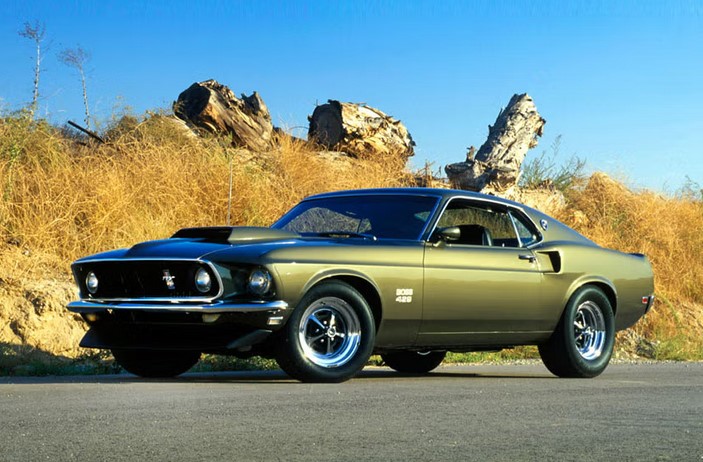
In 1964, the Ford Mustang also debuted, offering a more affordable yet powerful option for the masses. The Mustang’s ability to blend performance and style made it an instant classic, and it would go on to influence the design of countless muscle cars that followed.

1.2 The Golden Era: 1965-1970

During the mid-1960s through the early 1970s, the muscle car market exploded. Almost every major American automaker, including Chevrolet, Ford, Dodge, and Plymouth, introduced their own models, each with unique features, design cues, and engine configurations. The muscle car was no longer just a niche vehicle; it became a cultural phenomenon, with young people eager to own a car that symbolized strength and freedom.

The Chevrolet Camaro, introduced in 1967, and the Dodge Charger, which gained fame in the late 1960s, quickly became staples in the muscle car world. Cars like the 1969 Chevrolet Chevelle SS, the 1969 Dodge Daytona, and the Plymouth Barracuda offered jaw-dropping performance numbers, with some cars capable of reaching speeds over 150 mph and 0-60 times of under 5 seconds.

2. The Key Features of Classic Muscle Cars

What made these classic muscle cars so remarkable wasn’t just their ability to accelerate quickly; it was their overall design and engineering. These cars were built with one goal in mind: to deliver a thrilling driving experience. Here are the key features that made these vehicles so legendary:

2.1 Big Engines and Raw Power

The most defining characteristic of classic muscle cars was, of course, their massive engines. These vehicles were equipped with large-displacement V8 engines that produced an astonishing amount of horsepower. For example, the 1969 Chevrolet Camaro ZL1, one of the most sought-after muscle cars today, featured a 427 cubic-inch V8 engine capable of producing 430 horsepower.

These engines allowed muscle cars to dominate straight-line speed and acceleration. It wasn’t uncommon for these vehicles to reach speeds of over 120 mph, and their 0-60 mph times often hovered in the 5-second range, which was remarkable for the era.

2.2 Aggressive Styling

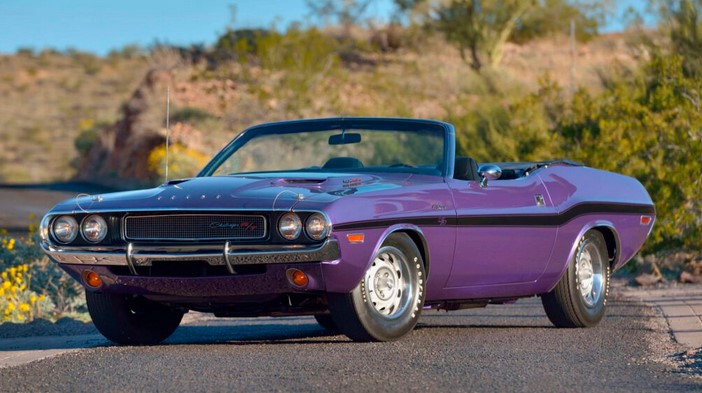
The design of classic muscle cars was as aggressive as their performance. Wide, muscular stances, long hoods, and short rear decks made these vehicles look fast even when they were standing still. Prominent grille designs, bold fender flares, and distinctive headlights further emphasized their performance-oriented design. Many muscle cars were also adorned with racing stripes, decals, and other cosmetic details that emphasized their athletic prowess.

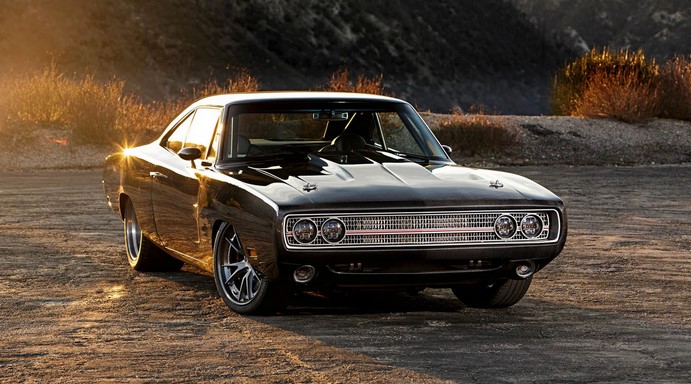
For example, the 1969 Dodge Charger featured a “R/T” badge (Road/Track), which became synonymous with high-performance muscle cars. The iconic “shaker” hood scoop, designed to feed cold air directly to the engine, was a prominent feature on many muscle cars and added to their aggressive, in-your-face style.

2.3 Handling and Suspension

While muscle cars were primarily designed for straight-line speed, some models were also equipped with impressive handling capabilities. Manufacturers understood that speed wasn’t everything; these cars needed to corner effectively and offer a smooth ride at high speeds. As a result, many muscle cars featured heavy-duty suspension systems, larger tires, and reinforced chassis to ensure that they could handle the immense power under the hood.

For instance, the Chevrolet Corvette, while primarily a sports car, borrowed many design elements from muscle cars and was built with a focus on handling and cornering, in addition to top-end speed.

3. The Decline and Resurgence of Classic Muscle Cars

By the early 1970s, the classic muscle car era began to fade. Rising insurance costs, increasing government regulations on emissions, and the oil crises of the 1970s all played a role in the demise of the muscle car. Automakers began to focus on smaller, more fuel-efficient vehicles, and the era of the big V8 engine came to a close.

However, the legacy of these classic muscle cars has never truly disappeared. In the late 1980s and early 1990s, there was a resurgence of interest in muscle cars, fueled by the growing culture of car restoration and the increasing number of people who grew up idolizing these vehicles.

3.1 The Revival of Muscle Cars: 1990s and Beyond

Automakers like Ford and Chrysler revived their muscle car models, introducing more modern versions of the Mustang and the Dodge Charger. These cars combined the retro appeal of the classic muscle cars with modern technology, safety features, and fuel efficiency, creating a perfect blend of nostalgia and performance. The Ford Mustang, in particular, became one of the most recognizable names in the muscle car world, and its evolution from the 1960s model to today’s high-performance offerings is a testament to the lasting legacy of the muscle car.

In addition, the restoration market for classic muscle cars has flourished, with car enthusiasts spending thousands of dollars on restoring rare models to their original glory. Classic muscle cars like the Pontiac GTO, the 1967 Shelby GT500, and the Plymouth Road Runner remain highly sought-after by collectors, with some fetching auction prices in the hundreds of thousands of dollars.

3.2 The Muscle Car Legacy Today

Today, classic muscle cars are as much about nostalgia and culture as they are about performance. They represent a golden age of American automotive design, a time when speed and style ruled the road. While modern performance cars like the Chevrolet Camaro ZL1, Dodge Challenger SRT Hellcat, and the Ford Mustang Shelby GT500 continue to carry the torch, there’s something special about the raw, untamed power and simplicity of the originals.

For collectors, owning a piece of this automotive history is not just about the performance; it’s about reliving an era when cars were made for the thrill of the drive. The unmistakable roar of a V8 engine and the bold design of a 1969 Dodge Charger or a 1970 Chevelle SS continue to excite enthusiasts and remind us of the golden age of muscle cars.

Classic muscle cars are more than just fast vehicles; they represent a moment in automotive history when American car manufacturers pushed the boundaries of performance, design, and style. These legendary machines have earned their place in the hearts of car enthusiasts around the world, not just for their raw power, but for the cultural impact they had during their heyday. Though the golden age of muscle cars has passed, their influence remains deeply embedded in the automotive industry today. Whether through the restoration of vintage models or the modern reinterpretations of these classics, the spirit of the muscle car is alive and well, ensuring that their legacy will continue to inspire future generations of drivers and car enthusiasts.

Source:https://mint-car.com

The world of vintage European cars is a fascinating realm, where engineering excellence, iconic designs, and timeless style come together to create vehicles that have left an indelible mark on automotive history. From the high-performance machines of Germany to the elegant, sporty cars of Italy and the quintessentially British craftsmanship, these cars represent the best of European automotive heritage. Whether you’re a collector, a car enthusiast, or simply someone with an appreciation for classic cars, the vintage vehicles from these countries embody the spirit of their respective cultures and showcase the golden age of automobile production. In this article, we will explore some of the most celebrated vintage European cars from Germany, Italy, and the UK, and delve into what makes them so legendary.

Vintage German Cars: Engineering Precision and Performance

The Porsche 911: A Timeless Sports Icon

No discussion about vintage European cars would be complete without mentioning the Porsche 911. First introduced in 1964, the Porsche 911 has evolved into one of the most recognizable and enduring sports cars in the world. Its unique design, coupled with Porsche’s unwavering commitment to performance, makes the 911 a standout among vintage cars.

The early models, like the 1964-1989 Porsche 911, are cherished by collectors for their distinct, round headlights and rear-engine layout. This configuration not only gives the 911 its signature silhouette but also contributes to the car’s handling and driving dynamics, especially on twisty, curving roads. Over the years, the Porsche 911 has seen various updates, but its core appeal—precision engineering, high performance, and iconic styling—has remained unchanged.

The Porsche 911’s enduring popularity has made it a benchmark for sports cars worldwide. For those who appreciate both luxury and high performance, the 911 offers a unique combination of sophistication and driving thrill that few cars can match.

Mercedes-Benz 300SL “Gullwing”: The Pinnacle of Post-War Innovation

The Mercedes-Benz 300SL, produced from 1954 to 1957, is another vintage German icon that stands out for its engineering and innovative design. Famously known for its “gullwing” doors, the 300SL was a symbol of post-war automotive luxury and performance. Powered by a fuel-injected, 3.0-liter inline-six engine, it was the first production car to feature fuel injection, setting a new standard for performance in the automotive world.

The 300SL was not only a masterpiece of engineering but also a statement of luxury and elegance. Its sleek, aerodynamic design was ahead of its time, and the car’s performance on both the road and race tracks earned it a place in history. The 300SL is highly regarded by collectors and enthusiasts for its rarity and timeless appeal, making it one of the most sought-after vintage European cars today.

Vintage Italian Cars: Style, Passion, and Performance

Ferrari 250 GTO: The Ultimate in Italian Excellence

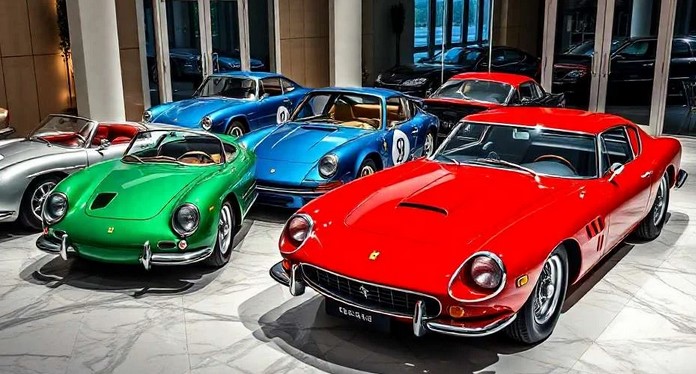
Ferrari is synonymous with high performance, and the Ferrari 250 GTO is one of the most legendary cars in the brand’s storied history. Produced from 1962 to 1964, the 250 GTO was designed for racing, with a 3.0-liter V12 engine that could produce 300 horsepower—an impressive figure for its time. However, its true appeal lies in its breathtaking beauty and exceptional craftsmanship.

The 250 GTO’s design, masterminded by Carrozzeria Scaglietti, is a perfect example of Ferrari’s ability to combine speed with style. Its aggressive stance, curvaceous body, and streamlined shape make it one of the most desirable vintage European cars in the world. Despite only 39 units being produced, the 250 GTO has become one of the most expensive cars ever sold at auction, fetching astronomical prices due to its rarity and status as a racing icon.

Today, the Ferrari 250 GTO is regarded as the epitome of automotive excellence. It is a symbol of Ferrari’s unwavering commitment to performance, style, and exclusivity. For Ferrari enthusiasts and collectors, owning a 250 GTO represents the pinnacle of vintage car ownership.

Lamborghini Miura: The Supercar That Defined the 1960s

In the world of Italian supercars, the Lamborghini Miura is often considered one of the most influential models ever made. Introduced in 1966, the Miura redefined what a supercar could be. Its mid-mounted V12 engine, exceptional handling, and stunning design made it a sensation in the automotive world. It also introduced a new level of luxury and performance to the supercar market, with Lamborghini establishing itself as a key player in the high-performance car industry.

What sets the Miura apart is its striking, futuristic design, which has influenced the design of many modern supercars. The Miura’s low, wide stance and smooth curves made it a visual masterpiece, and its engine performance was equally awe-inspiring. The car could reach a top speed of over 170 mph, making it one of the fastest production cars of its time.

The Lamborghini Miura’s legacy continues to influence the design and engineering of supercars today. It remains a symbol of Italian ingenuity, passion, and uncompromising performance, making it one of the most beloved vintage European cars in the world.

Vintage British Cars: Elegance, Heritage, and Craftsmanship

Jaguar E-Type: The Quintessential British Sports Car

No discussion of vintage British cars would be complete without the mention of the Jaguar E-Type. Launched in 1961, the E-Type quickly became a symbol of British automotive excellence and is often considered one of the most beautiful cars ever produced. Its elegant lines, sleek profile, and distinctive round headlights made it an instant classic.

The E-Type’s appeal is not only in its looks but also in its performance. Powered by a 3.8-liter inline-six engine, it could reach top speeds of 150 mph, a remarkable feat for a production car at the time. The car’s combination of style, speed, and relatively affordable price made it a hit among enthusiasts and celebrities alike, with the likes of Enzo Ferrari famously declaring it “the most beautiful car ever made.”

Today, the Jaguar E-Type is a collector’s dream. Its status as a British icon and its enduring design make it one of the most sought-after vintage European cars. For many, the E-Type represents the golden age of British motoring, with its combination of engineering, design, and heritage remaining unmatched.

Rolls-Royce Silver Cloud: The Definition of Luxury

When it comes to luxury, no car brand epitomizes opulence and craftsmanship more than Rolls-Royce. The Rolls-Royce Silver Cloud, produced from 1955 to 1966, is one of the finest examples of vintage British luxury cars. Known for its stately presence, exceptional build quality, and supreme comfort, the Silver Cloud was the car of choice for royalty, dignitaries, and celebrities.

The Silver Cloud was powered by a V8 engine and featured a smooth, quiet ride that became synonymous with the Rolls-Royce brand. Inside, the craftsmanship was impeccable, with luxurious materials like leather, wood, and chrome used throughout the cabin. The Silver Cloud set a new standard for what a luxury car could be, and it remains one of the most prestigious vintage European cars to own today.

In conclusion, vintage European cars from Germany, Italy, and the UK have captured the hearts of car enthusiasts and collectors for decades. Whether it’s the performance precision of a Porsche 911, the iconic styling of a Ferrari 250 GTO, or the luxury of a Rolls-Royce Silver Cloud, these vehicles represent the best of European automotive engineering and design. Owning one of these classic icons is not only a testament to the car’s craftsmanship but also a connection to a rich automotive history that continues to inspire and influence the industry. As time goes on, these vintage European cars will undoubtedly remain cherished symbols of timeless elegance, engineering excellence, and cultural significance.

Source:https://www.chrysler-factory-warranty.com

Muscle cars are the epitome of American automotive culture, known for their raw power, aggressive styling, and unforgettable sound. For decades, the debate has raged: classic vs. modern muscle cars, which era truly reigns supreme? While classic muscle cars are revered for their nostalgia and the golden era of performance, modern muscle cars have seen technological advancements that elevate performance, handling, and comfort to levels unimaginable in the past. So, how do these two eras stack up against each other? In this article, we’ll take a deep dive into both the classic and modern muscle car eras, examining their performance, design, and overall driving experience.

The Golden Age of Muscle Cars: Classic Muscle

The term “muscle car” was coined in the early 1960s, a time when automakers like Chevrolet, Ford, and Dodge began producing affordable cars equipped with large, high-performance engines. These vehicles, built with straight-line speed and power in mind, captured the attention of young enthusiasts and quickly became a symbol of American automotive freedom.

1. Performance and Power

Classic muscle cars were all about brute force. A typical muscle car from the 1960s or early 1970s featured a massive V8 engine that could produce anywhere from 300 to 500 horsepower, depending on the make and model. These cars were built for speed, designed to dominate drag strips and American highways alike. Popular models like the Chevrolet Camaro, Ford Mustang, and Dodge Charger were known for their powerful engines, large displacement, and high torque output, allowing them to launch off the line with incredible speed.

However, despite their power, these cars were often not built with refined handling in mind. Their suspension systems were rudimentary compared to modern standards, which meant they could be tricky to drive at high speeds, especially on winding roads. Nevertheless, they were well-suited for straight-line acceleration, which is why they dominated drag racing in the 1960s and 1970s.

2. Design and Aesthetics

The design of classic muscle cars is iconic, characterized by aggressive lines, wide stances, and often loud, bold color schemes. Muscle cars of the past had larger-than-life personalities, with chrome bumpers, hood scoops, and bold racing stripes defining their look. The sheer size and presence of a classic muscle car on the road were enough to turn heads and command attention.

Inside, classic muscle cars were often more focused on performance than luxury. Many cars had simple interiors with basic controls, large steering wheels, and minimal comfort features. However, this simplicity added to the overall raw appeal and driving experience, allowing drivers to connect with their car in a more visceral way.

3. Driving Experience

The driving experience in a classic muscle car is undeniably thrilling. The sound of a roaring V8 engine is a symphony for many enthusiasts, and the feeling of power surging through the pedals as the car accelerates is exhilarating. However, the lack of modern amenities like power steering, advanced braking systems, and modern suspension means that driving these vehicles can be less forgiving and more physically demanding. Classic muscle cars are often described as “loud” and “untamed,” providing an experience that is raw, unpolished, and full of character.

The Modern Era of Muscle Cars: Performance Meets Technology

Modern muscle cars have evolved significantly from their classic predecessors. Today’s muscle cars maintain the essence of power, performance, and style, but have been refined and enhanced with modern technology, offering better handling, safety, and comfort. Brands like Dodge, Ford, and Chevrolet continue to push the envelope, creating muscle cars that are faster, more efficient, and better equipped for the demands of today’s roadways.

1. Performance and Power

Modern muscle cars have made enormous strides in terms of performance. While classic muscle cars typically featured naturally aspirated engines with large displacements, modern muscle cars are now equipped with forced induction systems, including turbochargers and superchargers, which increase power without sacrificing efficiency. For example, the Dodge Challenger Hellcat boasts over 700 horsepower from a supercharged 6.2-liter V8, while the Ford Mustang Shelby GT500 delivers a similar output from its supercharged 5.2-liter V8. These cars offer acceleration times that are well under four seconds, a far cry from the sub-six-second times of many classic muscle cars.

Modern muscle cars also benefit from improved handling, thanks to advanced suspension systems, electronic stability control, and better tires. Cars like the Chevrolet Camaro ZL1 are not only fast in a straight line but are also capable of impressive cornering, making them well-rounded machines for both performance enthusiasts and weekend racers.

2. Design and Aesthetics

While modern muscle cars still retain the aggressive styling that made their classic counterparts so popular, they have evolved to incorporate more aerodynamic and streamlined designs. These vehicles feature more refined lines, sleeker profiles, and advanced lighting technology, such as LED headlights and taillights, giving them a more contemporary look. The muscular stance and wide-body designs remain, but the overall look is more sophisticated and polished.

Inside, modern muscle cars offer a much more refined experience. Leather seating, digital displays, and advanced infotainment systems make these cars more comfortable and functional for everyday driving. Features like advanced climate control, connectivity with smartphones, and premium sound systems are now standard, making the driving experience more enjoyable without sacrificing performance.

3. Driving Experience

The driving experience in modern muscle cars is far more refined than their classic counterparts. The introduction of power steering, precision brakes, and electronic driving aids ensures that modern muscle cars are much easier to handle and more stable at high speeds. While the raw feeling of a classic muscle car may be missed, the improved comfort and control offered by modern muscle cars make them far more practical for daily use.

Moreover, modern muscle cars come equipped with cutting-edge technologies, such as adaptive cruise control, lane-keeping assistance, and even track modes, which allow drivers to optimize their car’s performance for specific driving conditions. This makes modern muscle cars more versatile and suitable for a wider range of driving environments.

Classic vs. Modern Muscle Cars: Which Reigns Supreme?

The debate over classic vs. modern muscle cars ultimately comes down to personal preference and the type of driving experience you’re seeking. Classic muscle cars offer a sense of nostalgia and raw power, giving drivers an unrefined, visceral connection to their vehicles. The driving experience in a classic muscle car is often more challenging and rewarding in a primal way, with the roar of the engine and the tactile feel of the wheel making every ride an adventure.

On the other hand, modern muscle cars provide cutting-edge performance, superior handling, and advanced technologies that make them more practical and enjoyable for daily driving. The performance improvements are undeniable, with faster acceleration, better fuel efficiency, and more control on the road. Furthermore, modern muscle cars provide a higher level of comfort and safety, making them a more well-rounded option for those who want performance without sacrificing modern conveniences.

Ultimately, both eras have their merits, and the choice between classic and modern muscle cars depends on what you value more in a driving experience. Classic muscle cars remain beloved for their history, style, and raw power, while modern muscle cars deliver an unmatched combination of performance, technology, and refinement. Whether you prefer the old-school thrill of a classic or the sophistication of modern engineering, one thing is certain: muscle cars, in any form, continue to be a symbol of American automotive excellence.

Source:https://dustycars.com

American automotive history is rich with vehicles that not only defined their eras but also left a lasting cultural impact. The phrase iconic American classics evokes images of bold designs, powerful engines, and innovative engineering that have become symbols of freedom, style, and performance. From muscle cars that roared down highways to luxurious cruisers that redefined comfort, these vehicles tell the story of the United States’ influence on the global automotive landscape. This article explores some of the greatest cars in U.S. history, highlighting what makes these classics timeless treasures among collectors and enthusiasts alike.

1. Defining Characteristics of Iconic American Classics

Before delving into specific models, it’s important to understand what makes a car an “iconic American classic.” Typically, these vehicles share several key characteristics:

  • Distinctive Design: American classics often feature bold styling, from sweeping fins and chrome details of the 1950s to the aggressive lines of muscle cars in the 1960s and 70s.
  • Performance and Power: Many of these cars are celebrated for their powerful V8 engines, delivering exhilarating speed and torque.
  • Cultural Influence: Beyond their mechanical aspects, these cars became symbols of American culture—appearing in movies, music, and as status symbols.
  • Innovation: From pioneering safety features to advancements in performance and comfort, iconic American classics frequently pushed technological boundaries for their time.

2. Legendary Iconic American Classics Through the Decades

1950s: The Age of Chrome and Optimism

The post-World War II boom ushered in a golden era of American automotive design. Cars from this decade embodied optimism and progress.

  • 1957 Chevrolet Bel Air: The epitome of 1950s Americana, the Bel Air featured tailfins, chrome accents, and a robust V8 engine. Its design remains instantly recognizable and continues to be a staple at car shows and in popular culture.
  • Ford Thunderbird (First Generation): Introduced in 1955, the Thunderbird combined sportiness with luxury, creating a new personal luxury car segment.

1960s–70s: The Muscle Car Revolution

The rise of muscle cars defined a new era of performance-focused vehicles designed for speed and power.

  • 1964 Pontiac GTO: Often credited as the first true muscle car, the GTO featured a powerful V8 and aggressive styling, appealing to younger buyers craving speed and style.
  • 1969 Dodge Charger: Immortalized by films and TV shows, the Charger blended muscle car power with a sleek, intimidating presence.
  • Ford Mustang (First Generation): Debuting in 1964, the Mustang created a new class of “pony cars,” combining affordability with sporty design and performance.

1980s and Beyond: Evolution and Endurance

While muscle cars gave way to more fuel-efficient vehicles, certain American classics from later decades have cemented their place in automotive history.

  • Chevrolet Camaro (Third Generation, 1982–1992): Known for its aerodynamic styling and improved handling, this Camaro kept the muscle car spirit alive during challenging times.
  • Cadillac Eldorado: Representing American luxury, the Eldorado exemplified opulence with advanced technology and plush interiors.

Subheading: The Legacy and Cultural Impact of These Classics

Iconic American classics are more than just vehicles; they embody American identity and ingenuity. Their presence in pop culture—from Hollywood blockbusters to music videos—has cemented their legendary status. Events like classic car rallies, auctions, and restoration communities continue to celebrate these vehicles, preserving their stories for new generations.

Collectors often seek original parts and authentic restorations, underscoring the cars’ value both financially and historically. The rise of vintage car clubs and museums dedicated to American automotive history further demonstrates the passion surrounding these classics.

3. The Future of American Classic Cars

While the term “classic” typically applies to older models, the influence of iconic American classics extends into the modern automotive industry. Contemporary American manufacturers draw inspiration from their storied past to design vehicles that capture the spirit of classic models with modern technology and efficiency.

Examples include:

  • The Ford Mustang Mach-E: A fully electric SUV that pays homage to the Mustang’s legacy while pushing forward into a sustainable future.
  • Chevrolet’s Revival of the Camaro and Corvette: These modern iterations blend heritage design cues with cutting-edge performance and safety features.

Moreover, as electric vehicles become more mainstream, enthusiasts debate what future “classics” will look like and how the American muscle car spirit will evolve. This dynamic dialogue ensures the continued relevance of American automotive culture in the decades to come.

The allure of iconic American classics lies in their blend of design, power, and cultural significance. From the chrome-adorned cruisers of the 1950s to the thunderous muscle cars of the 1960s and beyond, these vehicles are treasured symbols of American innovation and lifestyle. They remain celebrated by collectors, historians, and enthusiasts worldwide for their timeless appeal and enduring influence. As the automotive industry moves forward, these classics serve as both inspiration and benchmarks, reminding us of the golden eras that shaped American car culture and continue to captivate our imagination today.

Source:https://www.goldeagle.com

Vintage cars are more than just machines—they’re rolling pieces of history that embody elegance, innovation, and craftsmanship from bygone eras. Enthusiasts and collectors around the world continue to preserve and celebrate these vehicles for their timeless design, engineering excellence, and cultural significance. From American muscle to European elegance, the best vintage cars have left an indelible mark on the automotive world. This article explores what makes certain classic cars stand the test of time and remain icons across generations.

1. What Defines a Vintage Car?

Before diving into the list of exceptional classics, it’s important to define what qualifies as a vintage car. While definitions vary slightly by region and organization, the term “vintage” generally refers to vehicles built between the 1910s and 1970s. The Vintage Car Club of America (VCCA), for example, typically recognizes vehicles manufactured prior to 1948.

However, in modern parlance, “vintage” can also encompass particularly iconic models from the 1950s, 60s, and early 70s—cars that not only represent mechanical milestones but also evoke a sense of nostalgia and artistry.

Classic vs. Vintage vs. Antique

  • Antique Cars: Typically over 45–50 years old (often pre-1930).
  • Vintage Cars: Roughly 1910s to 1948, but sometimes extended to the 1970s in common usage.
  • Classic Cars: Broadly 20–40 years old and often of special interest due to style or performance.

Understanding these distinctions is key when browsing collections, auctions, or classic car shows.

2. Legendary Vintage Cars That Continue to Turn Heads

The world of vintage cars is filled with standout models that have become legends in their own right. Whether you’re an admirer or a collector, these iconic rides are among the most celebrated:

Ford Mustang (First Generation, 1964–1973)

An emblem of American freedom and performance, the original Mustang was an instant hit upon release. Its sporty lines, V8 engine options, and customizable features made it one of the most beloved muscle cars ever made.

Chevrolet Corvette Sting Ray (1963–1967)

The C2 Corvette Sting Ray combined power with beauty. Its split rear window design in the 1963 model is especially coveted. With a fiberglass body and independent rear suspension, it was a game-changer in sports car design.

Jaguar E-Type (1961–1975)

Enzo Ferrari famously called the Jaguar E-Type “the most beautiful car ever made.” With a sleek, aerodynamic design and robust 3.8-liter or 4.2-liter engines, this British classic was ahead of its time in both aesthetics and performance.

Volkswagen Beetle (Pre-1979)

One of the most iconic cars in history, the Beetle was affordable, durable, and charmingly unique. Its air-cooled engine and unmistakable design made it a global symbol of practicality and peace during the counterculture movement of the 1960s.

Porsche 356 (1948–1965)

The precursor to the Porsche 911, the 356 was the company’s first production car and a blueprint for modern sports cars. Lightweight and nimble, it’s a favorite among Porsche collectors and classic driving enthusiasts.

Rolls-Royce Silver Cloud (1955–1966)

A symbol of British luxury, the Silver Cloud featured a powerful inline-six (and later V8) engine, plush interiors, and an unmistakable design. This car defined sophistication for the elite throughout the 1950s and 60s.

Subheading: Restoration and Preservation—Breathing New Life Into Old Legends

The value of a vintage car often depends on its condition, rarity, and authenticity. Many of today’s owners invest in professional restoration services to maintain or enhance a car’s historical accuracy. Restoration can range from cosmetic touch-ups to full mechanical overhauls, including engine rebuilds, reupholstering, and repainting using original color palettes.

On the other hand, preservation is the art of keeping a car as original as possible. Some collectors argue that a car with original paint, engine, and interior—no matter how worn—is more valuable than one that’s been fully restored.

Whether choosing restoration or preservation, maintaining vintage cars requires a commitment to sourcing authentic parts, understanding classic mechanics, and sometimes even participating in vintage car clubs and events. These cars aren’t just showpieces—they’re community connectors.

3. Why Vintage Cars Still Matter in the Modern Age

In an era of autonomous vehicles, digital dashboards, and electric motors, one might wonder why vintage cars continue to attract so much attention. The answer lies in the experience they provide.

Timeless Design

Vintage cars are a study in design philosophy. Unlike today’s mass-produced shapes, older models were crafted with an eye for curves, lines, and aesthetic balance. Many featured hand-built elements, making each car feel unique.

Driving Pleasure

Unlike modern vehicles, vintage cars require more engagement from the driver—manual steering, gear shifting, and mechanical feedback all contribute to a purer form of driving.

Investment Value

Classic cars have proven to be reliable investments. Certain rare models have appreciated significantly in value, outperforming traditional investments like gold or real estate in some cases. Auction houses such as RM Sotheby’s and Bonhams regularly sell vintage models for six- or even seven-figure sums.

Cultural Significance

Vintage cars are also cultural artifacts. They reflect the eras in which they were built—post-war innovation, the rise of the suburbs, oil crises, and the golden age of Hollywood all left imprints on the cars of their time.

Whether admired for their beauty, collected for their rarity, or driven for pure joy, the best vintage cars offer far more than transportation—they deliver history, artistry, and identity. As automotive technology evolves, these classic vehicles stand as reminders of how far we’ve come and why craftsmanship and character still matter. For enthusiasts and collectors alike, owning or simply appreciating one of the best vintage cars is a connection to a timeless legacy that continues to inspire across generations.

Source:https://www.motorward.com

When it comes to classic cars, enthusiasts face a common dilemma: should they restore their vehicle to its original factory condition, or should they opt for a restomod—a blend of modern technology and classic styling? The decision between restomod vs restoration depends on a variety of factors, from the car’s historical value to the owner’s personal preferences. Both approaches can dramatically enhance the car’s performance and appearance, but they offer distinct benefits and drawbacks. In this article, we will explore the differences between restomods and restorations, discuss the pros and cons of each, and help you determine the best path for your classic car.

Understanding the Difference Between Restomod and Restoration

Before delving into the details of each approach, it’s important to understand what each term means.

  • Restomod: A restomod is a hybrid approach that involves restoring the appearance of a classic car while upgrading its performance and technology. Restomods typically feature modern engine swaps, advanced suspension systems, contemporary interiors, and modern amenities like Bluetooth systems or air conditioning. The goal is to maintain the classic look of the vehicle while enhancing its reliability, handling, and comfort with modern components.
  • Restoration: Restoration refers to returning a classic car to its original factory condition. The goal is to preserve or refurbish the car using as many original or period-correct parts as possible. A restored car typically retains its original engine, suspension, interior, and exterior components. Restoration is ideal for owners who wish to preserve the historical value of the vehicle and maintain its authenticity.

Both approaches have their merits, and the decision comes down to the owner’s vision for the car and how they plan to use it.

Factors to Consider When Deciding Between Restomod and Restoration

Several key factors can influence your decision between restomod vs restoration. Here are some important considerations to keep in mind when deciding which path to take for your classic car.

1. Vehicle Condition and Rarity

One of the most important factors in deciding between restomod and restoration is the condition and rarity of the vehicle. If your classic car is in excellent original condition with a relatively low mileage, it may be worth restoring to its factory specifications to preserve its historical value. Cars that are rare or highly sought after by collectors are generally better suited for restoration since they may appreciate in value if kept in their original state.

On the other hand, if the car is in poor condition or if parts are scarce or difficult to find, a restomod might be a more practical solution. A restomod allows you to maintain the classic aesthetic while upgrading to modern, more readily available parts. This approach can also make the car more reliable and enjoyable to drive, particularly if it was originally produced with outdated or inefficient components.

2. Performance and Driving Experience

Another key difference between restomods and restorations is the performance and driving experience. Classic cars, while charming, were often built with technology and engineering that was far behind today’s standards. If you’re interested in driving your car regularly and want better performance, a restomod might be the better choice.

Restomods typically feature upgraded engines, modern brakes, and advanced suspension systems, making them more responsive, safer, and easier to handle on modern roads. Additionally, interior upgrades like air conditioning, power steering, and modern audio systems can make the driving experience more comfortable and convenient.

On the other hand, a fully restored car will offer a more authentic driving experience, closely mimicking what it was like to drive when the car was first produced. If you prefer to drive your car exactly as it was intended, without modern enhancements, restoration will be the more suitable option.

3. Budget and Investment Value

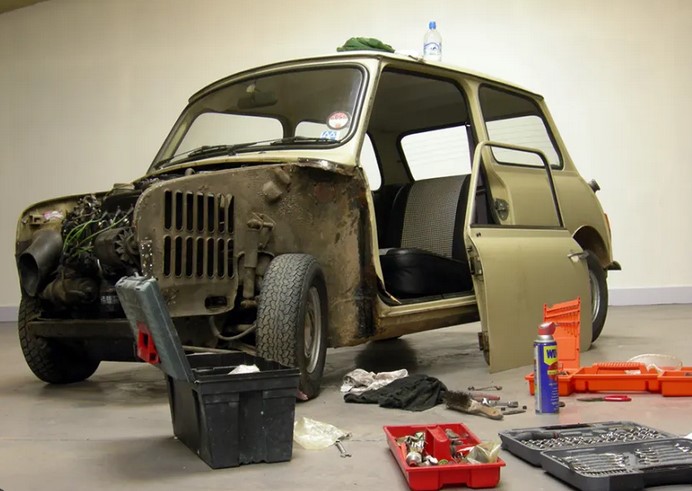
Restoring a classic car to its original condition can be a costly endeavor, especially if the vehicle requires significant bodywork, sourcing original parts, or repainting to match the factory specifications. Restoration can be a time-consuming and expensive process, with the cost of labor and materials sometimes exceeding the value of the car. However, for rare and highly collectible cars, restoration may increase the vehicle’s resale value.

In contrast, restomods can be more affordable, especially if you’re willing to use modern aftermarket parts rather than original factory components. While you can still invest in high-performance upgrades, restomods tend to be less expensive in terms of parts and labor, particularly if you’re not restoring the car to factory standards.

The financial return on a restomod is generally lower than a restoration, but the value of the car may still appreciate due to the added performance, convenience, and modern features. Restomods are often more about personal enjoyment and performance than maximizing resale value.

4. Personal Preference and Long-Term Use

Ultimately, the choice between restomod and restoration comes down to your personal preferences and how you intend to use the car in the future. If you have a strong desire to preserve the vehicle’s historical significance and maintain its original appearance and features, restoration is the clear choice. Restoration projects can be deeply rewarding for those who are passionate about preserving automotive history and keeping the spirit of the classic car alive.

On the other hand, if you want a car that combines the timeless appeal of a classic design with modern performance and technology, then a restomod is a great option. Restomods allow you to enjoy a more comfortable and reliable driving experience, while still keeping the car’s classic charm. Restomods are perfect for those who plan to drive their classic cars regularly and want to improve their overall performance.

Pros and Cons of Restomod vs Restoration

Here’s a quick comparison of the advantages and disadvantages of each approach:

Restomod

Pros:

  • Improved performance with modern engines, suspensions, and brakes
  • Enhanced comfort and convenience with modern features like air conditioning and updated interiors
  • More practical for daily driving or frequent use
  • Customizable to suit your specific preferences

Cons:

  • Less original or historically accurate
  • Lower resale value for some classic cars
  • May not appeal to purist collectors

Restoration

Pros:

  • Preserves the car’s original value and authenticity
  • Increases resale value for rare or collectible cars
  • Ideal for purist collectors and those who appreciate historical accuracy
  • Provides an authentic vintage driving experience

Cons:

  • Expensive and time-consuming
  • Limited performance capabilities compared to modern vehicles
  • May require sourcing hard-to-find original parts

In conclusion, the decision between restomod vs restoration ultimately depends on what you value most in a classic car. If you’re looking to preserve the vehicle’s authenticity and historical value, restoration may be the best option. However, if you’re more interested in modern performance, convenience, and driving experience, a restomod can provide the best of both worlds—blending the charm of a classic car with the reliability and comfort of modern technology. Regardless of the path you choose, both options can yield a rewarding and enjoyable result. The key is to carefully consider your priorities, budget, and long-term goals for the car to ensure that you make the right choice for you.

Classic car enthusiasts in Sparks, Nevada, are undoubtedly familiar with the thrill of owning and restoring vintage automobiles. One of the essential elements that define the charm and authenticity of these timeless vehicles is their classic car wheels. In this article, we will delve into the world of classic car wheels, exploring their significance, restoration process, and where enthusiasts can find these essential components to keep their beloved classics rolling in style.

The Significance of Classic Car Wheels

Classic car wheels are more than just functional components of a vehicle; they are a statement of nostalgia and craftsmanship. These wheels are often characterized by their unique designs, materials, and finishes, reflecting the era in which the classic car was manufactured. Whether it’s the wire-spoked wheels of a 1960s sports car or the steel wheels of a vintage pickup truck, classic car wheels play a pivotal role in preserving the historical and aesthetic value of these automobiles.

Restoration of Classic Car Wheels

Restoring classic car wheels is a meticulous process that requires expertise and attention to detail. Enthusiasts in USA, who are passionate about maintaining the authenticity of their vintage vehicles often seek out specialized services for wheel restoration. Here are the key steps involved in restoring classic car wheels:

Inspection

The restoration process begins with a thorough inspection of the wheels. This step helps identify any damage, rust, or structural issues that need to be addressed.

Stripping

To remove old paint, rust, and other contaminants, the wheels are typically stripped down to their bare metal. This can be done through sandblasting or chemical stripping.

Repair

Any structural damage or dents are repaired during this stage. Skilled craftsmen use techniques like welding and metal shaping to ensure the wheels are in optimal condition.

Sanding and Polishing

After repairs, the wheels are sanded to create a smooth surface. Depending on the desired finish, they may be polished to a high shine or left with a matte texture.

Painting or Coating

Classic car wheels can be painted in a variety of colors or coated to protect them from corrosion. Enthusiasts often choose finishes that match the original specifications of their vehicles.

Finding Classic Car Wheels in USA

Classic car wheels can be a challenging component to find, especially when authenticity is paramount. However here is home to several resources for classic car enthusiasts looking to acquire or restore their wheels:

Classic Car Shows and Events

Sparks and the surrounding areas often host classic car shows and swap meets where enthusiasts can buy, sell, or trade classic car parts, including wheels. These events provide an excellent opportunity to connect with fellow enthusiasts and experts.

Online Marketplaces

The internet has made it easier than ever to find classic car wheels. Online marketplaces and forums dedicated to classic cars are excellent resources for locating rare or hard-to-find wheels.

Classic car wheels are more than just functional components; they are a vital part of preserving the charm and history of vintage automobiles. Restoring and maintaining these wheels is a labor of love for many classic car enthusiasts, and the city offers a range of resources to support their passion.