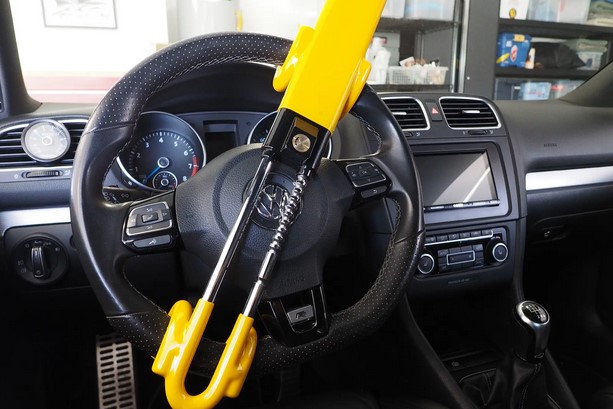
As vehicles become more connected and technologically advanced, the methods used to steal them have evolved just as quickly. Traditional mechanical locks alone are no longer sufficient to protect modern cars from increasingly sophisticated theft techniques. This is where Smart car security plays a critical role, combining digital intelligence with physical protection to safeguard vehicles against unauthorized access. In this article, we explore how smart car security systems work, the most effective anti-theft devices available today, and how drivers can choose the right solutions for long-term vehicle protection.
The Evolution of Car Theft and Security Technologies
Car theft has shifted dramatically over the past decade. While older methods relied on forced entry or hotwiring, modern thieves often exploit electronic vulnerabilities such as keyless entry systems, onboard diagnostics ports, and wireless signals. Techniques like relay attacks, where criminals amplify a key fob’s signal to unlock a car remotely, have become increasingly common.
In response, car security technologies have evolved from simple alarms to integrated digital ecosystems. Modern vehicles now feature immobilizers, encrypted key systems, and onboard computers that control access to critical functions. Smart security systems extend these capabilities by adding real-time monitoring, remote control, and data-driven threat detection.
At the core of smart car security is connectivity. Through mobile apps, cloud platforms, and GPS networks, vehicle owners can track their cars, receive alerts, and even disable engines remotely if theft is suspected. These systems transform vehicle security from a passive deterrent into an active defense mechanism.
Best Anti-Theft Devices and Systems Available Today
Smart car security solutions are most effective when layered, combining multiple technologies to address different theft scenarios. Below are some of the most impactful anti-theft devices and systems used in modern vehicles.
1. GPS Tracking and Real-Time Monitoring
GPS-based tracking systems are among the most widely used smart security tools. These devices allow vehicle owners to monitor location in real time through a smartphone or web platform. If a vehicle is moved without authorization, the system sends instant alerts, enabling rapid response and recovery.
Advanced GPS trackers also record driving history, speed, and route data. In the event of theft, this information can assist law enforcement in locating the vehicle quickly. Some systems even offer geofencing features, notifying owners when a car leaves a predefined area.
2. Smart Immobilizers and Engine Control Systems
Immobilizers prevent the engine from starting unless the correct authentication is detected. Smart immobilizers enhance this function by using encrypted digital keys, biometric verification, or mobile app authorization. Even if a thief gains physical access to the vehicle, the engine remains disabled.
Remote engine shutdown features add another layer of protection. If theft is confirmed, owners or security providers can deactivate the engine safely once the vehicle comes to a stop, reducing the likelihood of high-speed pursuits.
3. Advanced Alarm and Sensor Systems
Modern alarm systems go beyond loud sirens. Smart alarms integrate motion sensors, tilt sensors, and glass-break detection to identify suspicious activity accurately. Notifications are sent directly to the owner’s smartphone, allowing immediate action.
Some systems also include interior cameras or audio monitoring, providing visual or sound evidence of unauthorized access. This real-time insight helps owners assess threats and respond appropriately.
4. Digital Key Management and Access Control
As keyless entry becomes standard, managing digital access is increasingly important. Smart car security systems allow owners to control who can unlock or start the vehicle. Temporary digital keys can be issued and revoked, which is especially useful for shared vehicles or valet services.
Encryption and rolling codes reduce the risk of signal interception, addressing vulnerabilities associated with traditional key fobs. This ensures that only authenticated users can access the vehicle.
Choosing the Right Smart Security Solution
Selecting the right car security system requires understanding both the vehicle’s features and the owner’s usage patterns. Not all systems offer the same level of protection, and compatibility varies between vehicle models.
Factors to Consider Before Installation
One key factor is integration. Factory-installed systems often work seamlessly with the vehicle’s electronics, while aftermarket solutions may offer greater customization. Owners should ensure that any added system does not interfere with existing safety or warranty conditions.
Ease of use is another consideration. A security system is only effective if it is actively used. Intuitive mobile apps, clear alerts, and reliable connectivity enhance usability and response times.
Cost and ongoing service fees should also be evaluated. Some smart security solutions require subscription plans for GPS tracking or cloud services. While these costs may seem significant, they are often justified by the increased chance of theft prevention and recovery.
Finally, data privacy and cybersecurity are essential. Since smart car security systems rely on data transmission, strong encryption and reputable providers are critical to preventing unauthorized digital access.
As vehicle technology continues to advance, so do the risks associated with theft and unauthorized access. Investing in Smart car security is no longer optional but a necessary step toward protecting valuable assets in an increasingly connected world. By combining GPS tracking, smart immobilizers, advanced alarms, and secure digital access, modern anti-theft systems offer proactive and reliable protection. When chosen carefully and used consistently, Smart car security solutions provide peace of mind, enhanced control, and a strong defense against evolving automotive threats.