Source:https://s3.amazonaws.com

As vehicles become more connected and technologically advanced, the methods used to steal them have evolved just as quickly. Traditional mechanical locks alone are no longer sufficient to protect modern cars from increasingly sophisticated theft techniques. This is where Smart car security plays a critical role, combining digital intelligence with physical protection to safeguard vehicles against unauthorized access. In this article, we explore how smart car security systems work, the most effective anti-theft devices available today, and how drivers can choose the right solutions for long-term vehicle protection.

The Evolution of Car Theft and Security Technologies

Car theft has shifted dramatically over the past decade. While older methods relied on forced entry or hotwiring, modern thieves often exploit electronic vulnerabilities such as keyless entry systems, onboard diagnostics ports, and wireless signals. Techniques like relay attacks, where criminals amplify a key fob’s signal to unlock a car remotely, have become increasingly common.

In response, car security technologies have evolved from simple alarms to integrated digital ecosystems. Modern vehicles now feature immobilizers, encrypted key systems, and onboard computers that control access to critical functions. Smart security systems extend these capabilities by adding real-time monitoring, remote control, and data-driven threat detection.

At the core of smart car security is connectivity. Through mobile apps, cloud platforms, and GPS networks, vehicle owners can track their cars, receive alerts, and even disable engines remotely if theft is suspected. These systems transform vehicle security from a passive deterrent into an active defense mechanism.

Best Anti-Theft Devices and Systems Available Today

Smart car security solutions are most effective when layered, combining multiple technologies to address different theft scenarios. Below are some of the most impactful anti-theft devices and systems used in modern vehicles.

1. GPS Tracking and Real-Time Monitoring

GPS-based tracking systems are among the most widely used smart security tools. These devices allow vehicle owners to monitor location in real time through a smartphone or web platform. If a vehicle is moved without authorization, the system sends instant alerts, enabling rapid response and recovery.

Advanced GPS trackers also record driving history, speed, and route data. In the event of theft, this information can assist law enforcement in locating the vehicle quickly. Some systems even offer geofencing features, notifying owners when a car leaves a predefined area.

2. Smart Immobilizers and Engine Control Systems

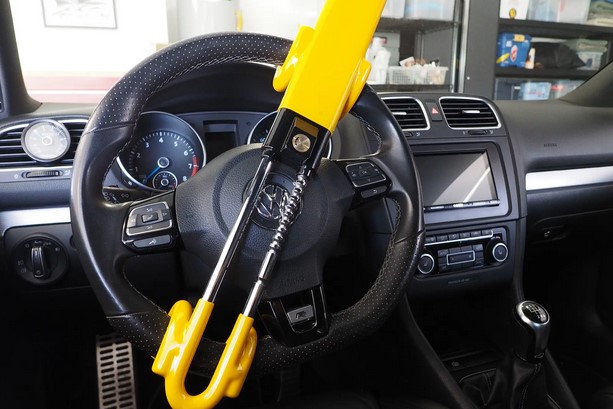
Immobilizers prevent the engine from starting unless the correct authentication is detected. Smart immobilizers enhance this function by using encrypted digital keys, biometric verification, or mobile app authorization. Even if a thief gains physical access to the vehicle, the engine remains disabled.

Remote engine shutdown features add another layer of protection. If theft is confirmed, owners or security providers can deactivate the engine safely once the vehicle comes to a stop, reducing the likelihood of high-speed pursuits.

3. Advanced Alarm and Sensor Systems

Modern alarm systems go beyond loud sirens. Smart alarms integrate motion sensors, tilt sensors, and glass-break detection to identify suspicious activity accurately. Notifications are sent directly to the owner’s smartphone, allowing immediate action.

Some systems also include interior cameras or audio monitoring, providing visual or sound evidence of unauthorized access. This real-time insight helps owners assess threats and respond appropriately.

4. Digital Key Management and Access Control

As keyless entry becomes standard, managing digital access is increasingly important. Smart car security systems allow owners to control who can unlock or start the vehicle. Temporary digital keys can be issued and revoked, which is especially useful for shared vehicles or valet services.

Encryption and rolling codes reduce the risk of signal interception, addressing vulnerabilities associated with traditional key fobs. This ensures that only authenticated users can access the vehicle.

Choosing the Right Smart Security Solution

Selecting the right car security system requires understanding both the vehicle’s features and the owner’s usage patterns. Not all systems offer the same level of protection, and compatibility varies between vehicle models.

Factors to Consider Before Installation

One key factor is integration. Factory-installed systems often work seamlessly with the vehicle’s electronics, while aftermarket solutions may offer greater customization. Owners should ensure that any added system does not interfere with existing safety or warranty conditions.

Ease of use is another consideration. A security system is only effective if it is actively used. Intuitive mobile apps, clear alerts, and reliable connectivity enhance usability and response times.

Cost and ongoing service fees should also be evaluated. Some smart security solutions require subscription plans for GPS tracking or cloud services. While these costs may seem significant, they are often justified by the increased chance of theft prevention and recovery.

Finally, data privacy and cybersecurity are essential. Since smart car security systems rely on data transmission, strong encryption and reputable providers are critical to preventing unauthorized digital access.

As vehicle technology continues to advance, so do the risks associated with theft and unauthorized access. Investing in Smart car security is no longer optional but a necessary step toward protecting valuable assets in an increasingly connected world. By combining GPS tracking, smart immobilizers, advanced alarms, and secure digital access, modern anti-theft systems offer proactive and reliable protection. When chosen carefully and used consistently, Smart car security solutions provide peace of mind, enhanced control, and a strong defense against evolving automotive threats.
Source:https://s.yimg.com

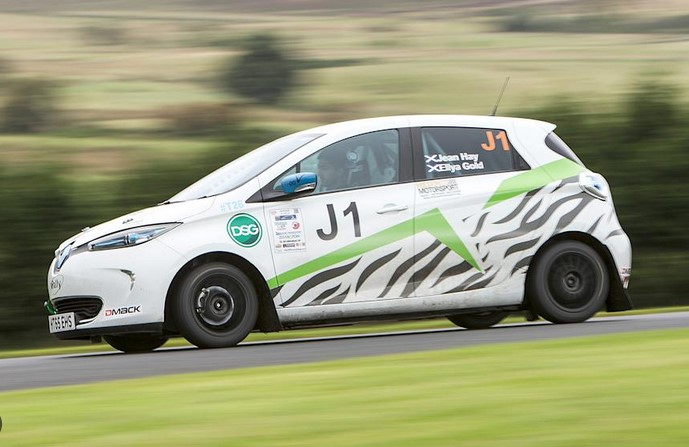
Rally racing represents one of the most demanding forms of motorsport, combining high speeds with unpredictable terrain and constantly changing conditions. From gravel and snow to mud and tarmac, rally vehicles must deliver power, durability, and precision in equal measure. The term Top rally cars refers to machines engineered to thrive in these extreme environments, blending advanced engineering with agile handling. This article explores what makes a rally car exceptional, the characteristics that define the best performers, and how modern rally vehicles continue to push the boundaries of off-road speed and control.

What Defines a High-Performance Rally Car

A rally car is fundamentally different from traditional road or circuit-racing vehicles. While speed is important, adaptability and reliability are equally critical. Rally stages often take place on narrow, uneven roads where drivers must react instantly to surface changes and obstacles. As a result, rally cars are designed with a unique balance of power, traction, and structural strength.

One of the defining features of a rally car is its drivetrain. Most competitive rally vehicles utilize all-wheel drive systems, which distribute power to all four wheels for maximum traction. This setup allows the car to maintain grip on loose surfaces such as gravel or snow, where two-wheel drive vehicles would struggle. The ability to accelerate efficiently out of corners and maintain stability at high speeds is essential for rally success.

Suspension systems also play a vital role. Rally suspensions are engineered with longer travel than standard road cars, allowing wheels to remain in contact with uneven surfaces. Reinforced components absorb shocks from jumps, ruts, and rocks, ensuring the vehicle remains controllable and durable throughout long stages.

Additionally, rally cars are built with lightweight yet rigid chassis designs. Weight reduction improves agility and acceleration, while reinforced frames protect occupants and mechanical systems. Safety features such as roll cages, racing seats, and harnesses are integral, reflecting the challenging conditions in which these vehicles operate.

Key Characteristics That Enable Off-Road Speed and Agility

Rally cars must combine speed with precision handling to remain competitive. This requires careful integration of multiple systems working in harmony.

Engine performance is a major factor. Modern rally engines are typically turbocharged, delivering strong torque across a wide range of engine speeds. This ensures rapid acceleration, even on uphill or loose surfaces. However, raw power alone is not enough. Throttle response and power delivery must be predictable, allowing drivers to modulate speed precisely when navigating tight corners or technical sections.

Tire selection is another crucial element. Rally tires are specifically designed for different surfaces, including gravel, snow, and wet tarmac. The right tire choice can dramatically influence grip and braking performance. Teams often adjust tire compounds and tread patterns between stages to adapt to changing conditions, highlighting the strategic complexity of rally racing.

Aerodynamics and Vehicle Control

While rally cars do not rely on extreme aerodynamic downforce like circuit racers, aerodynamics still play an important role. Front splitters, rear wings, and underbody designs help stabilize the car at high speeds and during jumps. These elements improve directional stability without compromising ground clearance, which is essential for off-road terrain.

Vehicle control systems, such as advanced differentials and electronic driver aids, further enhance agility. Adjustable center differentials allow teams to fine-tune how power is distributed between the front and rear wheels. This adaptability improves cornering performance and traction depending on surface conditions. Although regulations limit electronic assistance, mechanical innovations continue to evolve, giving drivers better control and confidence.

Evolution of Rally Cars and Their Impact on Performance

Rally cars have undergone significant evolution over the decades, driven by advancements in technology and changes in competition regulations. Early rally vehicles were often modified production cars, emphasizing durability over outright performance. Today’s rally machines are purpose-built, incorporating cutting-edge materials and engineering techniques.

The introduction of lightweight composites, such as carbon fiber, has improved strength-to-weight ratios. Enhanced data analysis and telemetry allow teams to optimize vehicle setups with remarkable precision. Suspension geometry, engine mapping, and differential settings can be adjusted to suit specific stages, maximizing performance while minimizing mechanical stress.

Environmental considerations are also shaping the future of rally cars. Hybrid powertrains and alternative fuels are being introduced to reduce emissions without sacrificing performance. These innovations demonstrate that rally racing continues to be a testing ground for technologies that may later influence consumer vehicles.

Beyond competition, rally cars have had a lasting impact on automotive design. Features such as all-wheel drive systems, turbocharged engines, and advanced safety structures were refined in rally environments before becoming mainstream. This connection between motorsport and everyday vehicles underscores the importance of rally racing as a driver of innovation.

Rally racing demands vehicles that can conquer extreme terrain while maintaining exceptional speed and agility. The Top rally cars are defined not just by horsepower, but by their ability to adapt, endure, and perform under relentless conditions. Through advanced drivetrains, robust suspension systems, precise control mechanisms, and continuous technological evolution, these vehicles represent the pinnacle of off-road performance engineering. As rally competition continues to evolve, the pursuit of speed, agility, and reliability ensures that Top rally cars remain a benchmark for innovation in motorsport and beyond.

Source:https://article.images.consumerreports.org

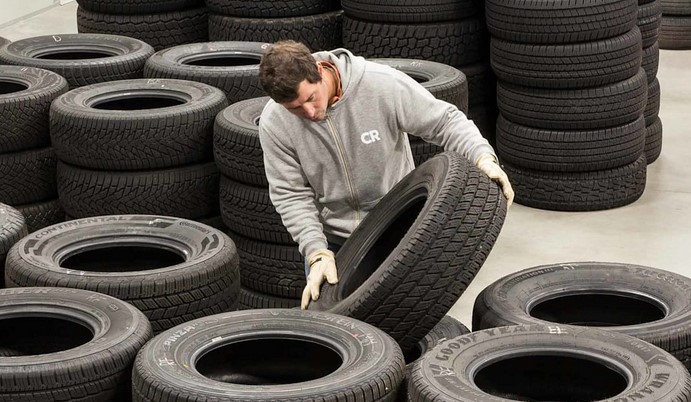
Selecting the Best racing tires for grip is essential for any serious driver seeking optimal performance on the track. Grip—the tire’s ability to maintain traction between the rubber and the surface—is a critical factor that directly influences acceleration, cornering stability, and braking efficiency. In competitive racing environments, where every millisecond counts, the right set of tires can make the difference between winning and merely participating. This article provides an in-depth examination of the top racing tires designed for maximum traction, helping racers and performance enthusiasts make informed decisions based on conditions, vehicle type, and racing discipline.

Understanding Tire Grip and Its Importance in Racing

Tire grip refers to the force that prevents tires from sliding across the surface of the track. It is a function of several elements, including the tire compound, tread design, temperature range, and contact patch size. A tire with superior grip will translate more engine power into acceleration, maintain stability in high-speed turns, and provide shorter braking distances. In contrast, poor grip can lead to understeer or oversteer, reduced control, and slower lap times.

There are varied types of racing tires, each engineered for specific environments and racing formats. For example, drag racing tires prioritize straight-line traction and often use soft compounds with minimal tread patterns to maximize contact surfaces. Road racing tires, on the other hand, require a delicate balance between grip and durability to handle diverse cornering forces and wear demands. Understanding the nuances of tire design is vital to selecting products that align with your specific racing goals.

Moreover, grip is influenced by temperature. Most high-performance racing tires are constructed using specialized rubber compounds that become stickier as they heat up. Maintaining the ideal operating temperature is crucial: too cool and the tire won’t grip; too hot and it may degrade prematurely. Tire pressure, vehicle alignment, and suspension settings also play prominent roles in optimizing tire grip throughout a race.

Top Choices for Maximum Traction Across Different Disciplines

Choosing the right racing tire means matching your vehicle’s demands with the tire’s capabilities. Below are some of the leading racing tire options that have demonstrated exceptional traction in competitive environments.

1. Slick Tires for Track Racing

Slick racing tires—so named due to their smooth, tread-less surface—are engineered exclusively for dry track conditions. With no grooves to disrupt the contact between tire and road, slicks offer the largest possible footprint for maximum grip.

  • Soft compound slicks excel at providing instant grip during high-speed cornering but may wear faster due to their stickier composition.
  • Medium compound slicks strike a balance between performance and durability, making them a versatile choice for endurance races.
  • Hard compound slicks have greater longevity but require more time and heat to reach peak grip levels.

These tires are often used in Formula racing and high-level track performance events where surface conditions are predictable and dry. While slicks provide unsurpassed traction in ideal conditions, they are impractical for everyday roads due to safety and legal restrictions.

2. Semi-Slick and Competition Tires

Semi-slicks bridge the gap between street-legal performance and track capability. They feature limited tread patterns that aid in evacuating small amounts of water while retaining a substantial contact patch. These tires are ideal for autocross, time attack, and performance driving events where variations in weather or surface moisture may occur.

  • Directional tread patterns enhance high-speed stability and grip in moderate wet conditions.
  • Asymmetric designs provide a balance between wet performance and dry traction, making them suitable for drivers who split time between track and street.

Semi-slick competition tires optimize traction without sacrificing all-weather versatility. Their compound formulations are often tailored to provide consistent performance over multiple laps, making them a strong choice for club racing and amateur competition.

3. Drag Racing Tires for Straight-Line Traction

In drag racing, the primary objective is to achieve the fastest possible acceleration in a straight line. Drag radials and slicks are specifically designed to deliver maximum traction off the line. These tires use extremely soft compounds that deform to match the track’s surface, creating immense grip during initial acceleration.

  • Radial drag tires combine a flexible sidewall with a sticky tread compound, enabling rapid weight transfer and enhanced traction.
  • Bias-ply drag tires may offer additional durability but often at the expense of peak grip performance.

While drag racing tires are exceptional for their intended purpose, they do not perform well in cornering or high lateral loads, making them unsuitable for road circuits.

Factors to Consider When Choosing Grip-Focused Racing Tires

Selecting the right racing tire involves more than picking the one with the stickiest compound. Several critical factors determine how well a tire will perform for your specific needs:

Tire Compound and Heat Range

The rubber compound governs how a tire behaves under temperature changes. Racing tires usually have compounds that heat up quickly and maintain grip within a specified temperature range. Knowing your racing environment—hot summer tracks versus cooler climates—will help you choose an appropriate compound.

Tire temperature management is equally important. Too low, and the tire fails to generate grip; too high, and the compound may blister or degrade rapidly. Effective heat cycling contributes to consistent traction over multiple laps.

Tread Design and Water Dispersion

While slicks deliver maximum traction in dry conditions, they are unsuitable for wet environments. Semi-slick and competition tires with strategic tread designs help disperse limited moisture while maintaining grip. Tread patterns must align with expected weather conditions to ensure safety and performance.

Fitment and Contact Patch

Ensuring the tire size matches your vehicle’s specifications influences how evenly weight is distributed across the tread. An optimal contact patch maximizes grip without causing excessive wear or instability. Suspension alignment and tire pressure adjustments further refine how the tire interacts with the track surface.

When seeking the Best racing tires for grip, it’s essential to evaluate your specific racing discipline, environmental conditions, and performance priorities. From slicks designed for dry circuit domination, to semi-slicks that balance traction with versatility, and drag tires optimized for straight-line acceleration, each tire category serves a distinct role. By understanding the underlying technologies, grip dynamics, and practical factors such as compound, tread design, and heat range, racers can make informed choices that enhance performance, safety, and competitive edge. Ultimately, the right tire selection can be the deciding factor between a personal best and hitting the podium, making the pursuit of maximum traction a cornerstone of racing success with the Best racing tires for grip available today.

Source:https://cdn-fastly.atv.com

Selecting the right off-road machine can be challenging, especially with the wide range of models, features, and purposes available today. This All-terrain vehicle guide is designed to help prospective buyers understand what an ATV is, how different types serve different needs, and what factors truly matter when making a purchase. Whether the goal is recreation, utility work, or outdoor exploration, choosing the right ATV ensures safety, performance, and long-term satisfaction.

Understanding ATVs and Their Core Functions

An all-terrain vehicle (ATV) is a motorized off-road vehicle designed to handle a variety of landscapes, including dirt trails, sand, mud, snow, and rocky terrain. Typically equipped with four low-pressure tires, ATVs provide enhanced traction and stability in environments where traditional vehicles cannot operate effectively. They are commonly used for recreation, agriculture, forestry, hunting, and property maintenance.

ATVs vary significantly in size, engine capacity, and design. Engine displacement usually ranges from under 100cc for youth models to over 1000cc for high-performance or heavy-duty machines. Smaller ATVs are easier to maneuver and ideal for beginners, while larger engines provide greater towing capacity and power for demanding tasks.

Another key distinction lies in drivetrain configurations. Some ATVs use two-wheel drive, which is lighter and more fuel-efficient, while others feature selectable or full-time four-wheel drive for enhanced control in slippery or uneven conditions. Suspension systems, braking technology, and tire design also play crucial roles in determining how an ATV performs across different terrains.

Understanding these fundamentals is essential before narrowing down choices, as the wrong configuration can lead to poor performance or unnecessary expenses.

Matching ATV Types to Specific Use Cases

The most important step in choosing an ATV is identifying how it will be used. ATVs are generally categorized into three main types: utility, sport, and recreational hybrids. Each category is designed with a specific purpose in mind, and selecting the wrong type can limit functionality.

Utility ATVs are built for work. They often feature strong frames, large engines, cargo racks, and towing capabilities. Farmers, landowners, and maintenance crews rely on utility ATVs to transport tools, haul materials, and navigate large properties efficiently. These models prioritize durability and torque over speed.

Sport ATVs focus on performance and agility. They are lighter, faster, and designed for trail riding, racing, or recreational use. Sport models typically have manual transmissions and responsive suspension systems that appeal to experienced riders who value control and excitement.

Recreational or hybrid ATVs combine features from both categories. They offer moderate power, comfort, and versatility, making them suitable for families or individuals who want an ATV for both light work and leisure riding.

Key Factors to Consider Before Buying

Before making a final decision, buyers should evaluate several practical factors. Rider experience is critical; beginners benefit from automatic transmissions and lower engine power, while experienced riders may prefer manual control and higher performance. Terrain type is another consideration, as muddy or mountainous environments require stronger suspension and four-wheel drive.

Physical size and comfort also matter. Seat height, handlebar position, and overall ergonomics should match the rider’s body type to reduce fatigue and improve control. Additionally, maintenance requirements and parts availability should not be overlooked, as regular servicing ensures longevity and safety.

Safety, Maintenance, and Long-Term Value

Safety should always be a priority when selecting and operating an ATV. Modern ATVs often include safety features such as speed limiters, engine braking systems, and improved stability designs. However, rider responsibility remains essential. Wearing protective gear, including helmets, gloves, and boots, significantly reduces the risk of injury.

Maintenance plays a vital role in preserving ATV performance and value. Routine checks of oil levels, tire pressure, brakes, and suspension components help prevent mechanical failures. Utility ATVs used for heavy work may require more frequent servicing due to increased strain on components.

From a financial perspective, buyers should consider not only the purchase price but also long-term costs. Fuel efficiency, maintenance frequency, insurance, and resale value all contribute to the total cost of ownership. Investing in a reliable brand with a strong dealer network can provide better support and higher resale potential.

As technology advances, newer ATVs are also incorporating electronic fuel injection, digital displays, and improved emissions control, making them more efficient and environmentally responsible. These innovations enhance usability while maintaining rugged performance.

Choosing the right ATV requires a clear understanding of personal needs, terrain conditions, and long-term expectations. By evaluating engine size, vehicle type, safety features, and maintenance demands, buyers can make informed decisions that align with their intended use. This All-terrain vehicle guide highlights the importance of matching functionality with purpose, ensuring that the selected ATV delivers reliability, performance, and enjoyment for years to come.

Source:https://www.thedrive.com

The automotive industry is undergoing a rapid technological transformation, and one of the most promising innovations reshaping the driving experience is Augmented reality windshields. These advanced displays are designed to project digital information directly onto the windshield, seamlessly blending real-world visuals with contextual data. Rather than forcing drivers to glance away at dashboards or infotainment screens, this technology brings critical information into the driver’s natural line of sight. As vehicles become smarter and more connected, augmented reality windshields are emerging as a key interface that enhances safety, awareness, and overall driving efficiency.

Understanding Augmented Reality Windshield Technology

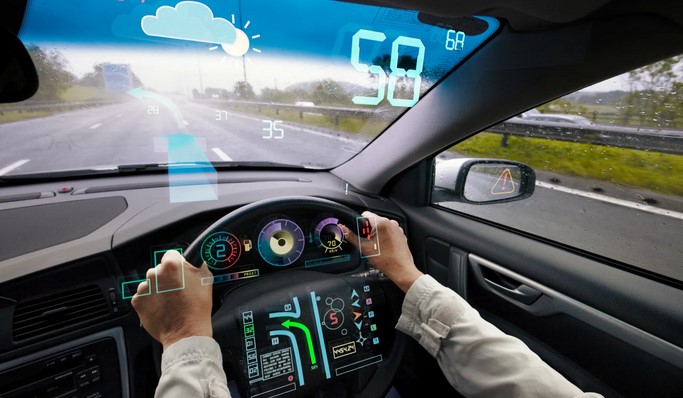
Augmented reality windshields rely on a combination of hardware and software systems that work together to overlay digital elements onto the driver’s view of the road. At the core of this technology are advanced head-up displays (HUDs), cameras, sensors, and real-time data processing units. These components analyze driving conditions, vehicle speed, navigation routes, and surrounding objects to generate relevant visual cues.

Unlike traditional HUDs that display basic information such as speed or warning icons, augmented reality windshields project graphics that appear anchored to real-world objects. For example, navigation arrows can seem to rest directly on the road, lane boundaries may be highlighted during poor visibility, and potential hazards can be outlined before they become immediate threats. This spatial alignment reduces cognitive load, allowing drivers to interpret information more quickly and intuitively.

The software behind these systems uses artificial intelligence and machine learning to adapt displays based on driving context. Urban traffic, highways, and adverse weather conditions all influence how and what information is shown. As connectivity improves through vehicle-to-everything (V2X) communication, augmented reality windshields can also receive data from traffic infrastructure and other vehicles, further enhancing situational awareness.

Safety, Convenience, and Driver Experience Benefits

One of the strongest arguments for augmented reality windshields is their potential to significantly improve road safety. By presenting information directly within the driver’s field of view, these systems reduce the need for head or eye movement away from the road. This can lower reaction times and help prevent accidents caused by distraction.

In addition to safety, convenience plays a major role in adoption. Navigation becomes more intuitive when turn-by-turn directions are visually integrated with the road itself. Speed limits, traffic signs, and hazard warnings can be displayed exactly where they are relevant, minimizing confusion and decision fatigue. Drivers no longer need to interpret abstract symbols on a screen; instead, they receive clear, context-aware guidance.

Human-Machine Interaction and Personalization

A key subheading highlights how personalization enhances usability. Augmented reality windshields can be tailored to individual driver preferences. Some drivers may prefer minimal displays with only essential data, while others may opt for enhanced visuals that include navigation, safety alerts, and vehicle diagnostics. Voice control and gesture recognition further reduce the need for manual input, supporting safer interaction.

From a user experience perspective, this technology also supports accessibility. Visual cues can assist older drivers or those with slower reaction times by providing earlier warnings and clearer guidance. As the systems evolve, adaptive displays may even adjust brightness, color contrast, or information density based on driver behavior and environmental conditions.

Challenges, Adoption, and the Road Ahead

Despite their promise, augmented reality windshields face several challenges before widespread adoption becomes a reality. One major concern is cost. Integrating high-resolution projection systems, sensors, and advanced software increases manufacturing expenses, which can limit availability to premium vehicles in the early stages.

Technical limitations also exist. Ensuring accurate alignment between digital overlays and real-world objects requires precise calibration. Even minor inaccuracies could cause confusion or distraction. Additionally, displays must function reliably under varying lighting conditions, including bright sunlight, nighttime driving, and adverse weather.

Regulatory and safety standards present another hurdle. Automotive authorities must establish guidelines to ensure that augmented displays do not overwhelm or distract drivers. Balancing information richness with simplicity is critical, as excessive visual data could undermine the safety benefits the technology aims to provide.

Looking ahead, continuous advancements in processing power, sensor accuracy, and artificial intelligence are expected to address many of these challenges. As production costs decrease and standards mature, augmented reality windshields are likely to move from luxury vehicles into mainstream models. Their integration with autonomous and semi-autonomous driving systems will further solidify their role as a central interface in future mobility.

Augmented reality windshields represent a transformative step in how drivers interact with their vehicles and the road environment. By merging digital intelligence with real-world visuals, they offer a safer, more intuitive, and more personalized driving experience. While challenges related to cost, regulation, and technical precision remain, ongoing innovation continues to push this technology closer to everyday use. As the automotive industry evolves toward smarter and more connected vehicles, Augmented reality windshields stand at the forefront of driving displays, shaping the future of transportation with clarity, confidence, and enhanced situational awareness.

Source:https://s7d1.scene7.com

Maintaining a vehicle’s braking system is one of the most important responsibilities for any driver, yet it is often neglected until a serious issue occurs. One essential habit that should never be overlooked is to Check brake fluid, because this simple action directly influences braking efficiency and overall road safety. Brake fluid is the medium that allows braking force to move from the pedal to the wheels, and without proper care, even the most advanced braking systems can fail. Understanding when and how to inspect brake fluid is a practical step toward preventing accidents, avoiding costly repairs, and ensuring long-term vehicle reliability.

Understanding the Role of Brake Fluid in Vehicle Safety

Brake fluid is a specially engineered hydraulic liquid designed to function under high pressure and extreme temperature conditions. When the brake pedal is pressed, the fluid transfers force through sealed brake lines, allowing brake pads or shoes to clamp down on the rotors or drums. This process depends entirely on the integrity and quality of the fluid.

Most modern vehicles use glycol-based brake fluids such as DOT 3, DOT 4, or DOT 5.1. These fluids are hygroscopic, meaning they naturally absorb moisture from the surrounding air over time. While this property helps prevent water from pooling inside the system, it also leads to a gradual decrease in the fluid’s boiling point. As moisture levels rise, the fluid becomes less effective, especially during hard braking or extended downhill driving.

Brake fluid also contains corrosion inhibitors and lubricating additives that protect internal components such as the master cylinder, brake lines, and calipers. Over time, these additives degrade, allowing corrosion and internal wear to develop. This deterioration can compromise braking performance even if the fluid level appears normal, which is why understanding the fluid’s role goes beyond simply checking the reservoir.

When Brake Fluid Should Be Inspected or Replaced

Routine inspection of brake fluid is a key part of preventive vehicle maintenance. Most manufacturers recommend checking brake fluid during every oil change or at least twice a year. However, replacement intervals are usually longer, commonly every two to three years, depending on driving conditions and vehicle specifications.

Driving habits play a significant role in how quickly brake fluid degrades. Vehicles that operate in heavy traffic, mountainous regions, or under towing conditions place greater stress on the braking system. Frequent braking generates higher temperatures, which accelerates moisture absorption and chemical breakdown of the fluid. In such cases, more frequent inspections and earlier replacement may be necessary.

Common Warning Signs That Should Not Be Ignored

There are several indicators that suggest brake fluid requires immediate attention. A brake warning light on the dashboard is often the first sign of low fluid levels. A soft or spongy brake pedal can indicate moisture contamination or air within the hydraulic system. Delayed braking response or unusual noises may signal reduced hydraulic pressure. Visible fluid leaks near the wheels or beneath the engine bay are serious warning signs that should be addressed without delay.

Ignoring these symptoms can lead to reduced stopping power or complete brake failure. Regular inspection allows drivers to identify these issues early, minimizing safety risks and repair costs.

How to Inspect and Maintain Brake Fluid Properly

Inspecting brake fluid is a relatively simple process that requires minimal tools but careful attention. The brake fluid reservoir is typically located under the hood near the master cylinder and is made from transparent plastic with clearly marked minimum and maximum levels.

Before opening the reservoir, the surrounding area should be cleaned to prevent dirt or debris from entering the system. The fluid level should fall between the marked lines. If it is below the minimum level, this may indicate worn brake pads or a leak in the system. Simply adding fluid without identifying the cause may temporarily mask a more serious issue.

Fluid condition is equally important. Healthy brake fluid is usually clear or light amber in color. Dark, cloudy, or murky fluid suggests contamination and chemical breakdown. In such cases, topping off the reservoir is not sufficient. A complete brake fluid flush is recommended to remove old fluid and replace it with fresh fluid throughout the entire system.

It is essential to use the correct type of brake fluid specified in the vehicle owner’s manual. Using the wrong fluid or mixing different types can damage seals and reduce braking performance. While experienced vehicle owners may perform inspections themselves, professional servicing ensures proper bleeding of air from the system and consistent braking response.

Brake fluid maintenance is a fundamental aspect of vehicle safety that should never be underestimated. Regular inspection, awareness of warning signs, and timely replacement contribute directly to reliable braking performance and longer component life. Developing the habit to Check brake fluid not only protects your vehicle but also safeguards everyone on the road. By treating brake fluid care as a priority rather than an afterthought, drivers can enjoy greater confidence, control, and peace of mind every time they drive.