Source:https://hips.hearstapps.com

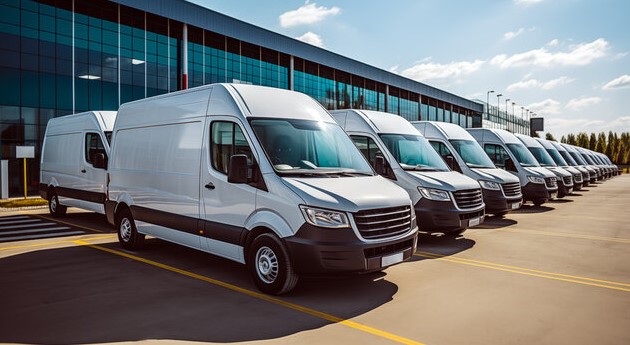
In 2025, businesses and individuals alike are seeking versatile, efficient, and dependable vehicles for transporting goods, tools, and equipment. The Best cargo vans 2025 combine functional design, advanced technology, strong performance, and safety features tailored for modern work demands. Whether for local deliveries, mobile services, or long-haul logistics, selecting the right cargo van can significantly improve operational efficiency and reduce long-term costs. This article explores standout models, key selection criteria, and an innovative concept poised to change how businesses leverage cargo vans for growth.

What to Look for in a Cargo Van

Choosing the ideal cargo van means looking beyond brand names and base prices. A well-suited van should align with your business needs, offering appropriate cargo space, payload capacity, fuel economy, and comfort. Below are critical factors to consider when evaluating the top contenders.

Core Features That Define Value

  • Cargo Space and Configuration: The primary purpose of a cargo van is to transport goods. Evaluate interior volume, shelf compatibility, ease of customization, and access points like sliding doors or rear doors. Higher interior height can also improve usability, especially for tradespeople who frequently load bulky tools or materials.
  • Payload and Towing Capability: Payload measures how much weight a van can safely carry, including passengers, cargo, and equipment. A higher payload increases versatility, while adequate towing capability ensures additional trailers or gear do not compromise performance.
  • Fuel Efficiency and Powertrain Options: Fuel expenses add up quickly for businesses with high mileage. Efficient gasoline engines, diesel variants, and emerging electric powertrains help mitigate costs and support environmental goals. Electric cargo vans, in particular, reduce fuel dependency and appeal to businesses prioritizing sustainability.
  • Driver Comfort and Safety: Spending long hours on the road places a premium on comfort and advanced safety technology. Adjustable seating, ergonomic controls, and driver-assistance systems (such as lane-keep assist, adaptive cruise control, and collision mitigation) enhance comfort and reduce fatigue.
  • Total Cost of Ownership: Beyond the sticker price, factor in insurance rates, maintenance schedules, and any available warranty coverage. Brands with extensive service networks and durable build quality often help lower lifetime ownership costs.

Understanding these factors helps narrow down a competitive list of cargo vans tailored to specific business requirements.

Top Cargo Vans for 2025

Several models stand out in 2025 thanks to their reliability, capability, and innovative features. The descriptions below highlight what makes each van a compelling choice for different use cases.

Full-Size Cargo Vans

Full-size cargo vans are often the go-to choice for commercial fleets, delivery services, and businesses that demand larger cargo areas.

  • Ford Transit: Known for its versatility and robust design, the Ford Transit offers multiple roof heights and wheelbase choices. It delivers strong payload capacity, reliable performance, and customizable interior solutions. A suite of optional driver-assistance technologies enhances safety during extensive daily travel.
  • Mercedes-Benz Sprinter: A premium option with a reputation for European engineering quality, the Sprinter blends cargo capacity with driver-centric technology. Its smooth ride, strong engine choices, and modular upfit solutions make it ideal for logistics companies and specialty service providers.
  • Ram ProMaster: With a front-wheel-drive layout, the ProMaster provides excellent maneuverability in urban environments and a low load-floor height that simplifies cargo handling. Its configuration flexibility and competitive pricing appeal to small businesses and independent operators.

Mid-Size and Electric Options

Mid-size vans and electric variants cater to businesses focused on urban deliveries, lower operating costs, and sustainability.

  • Nissan NV Cargo: Positioned between compact and full-size vans, the NV Cargo balances manageable dimensions with respectable cargo volume. It provides a straightforward design and reliable performance, making it a popular choice for businesses operating in tight city spaces.
  • Chevrolet Express / GMC Savana: Classic workhorses with proven durability, these vans continue to serve as reliable platforms for upfits, tool racks, and mobile workshops. Although less high-tech than some competitors, their simplicity and rugged build attract many traditional service businesses.
  • Electric Vans (e.g., Ford E-Transit, Mercedes-Benz eSprinter): Electric variants of established models are becoming mainstream in 2025. Offering zero-emissions operation, lower running costs, and quieter performance, electric cargo vans suit urban deliveries and eco-conscious companies. They typically provide sufficient range for daily routes and fast charging capabilities that minimize downtime.

A New Idea: Integrated Fleet Optimization Platforms

As businesses adopt more cargo vans for commercial operations, emerging trends point toward technological integration that goes beyond the vehicle itself. One forward-thinking concept is the Integrated Fleet Optimization Platform (IFOP)—software designed to work seamlessly with cargo vans and business operations.

What Is an Integrated Fleet Optimization Platform?

An IFOP combines real-time telematics, route planning, maintenance scheduling, and data analytics into a centralized system tailored for cargo van fleets. Rather than managing vehicles individually, businesses leverage insight and automation to improve productivity, reduce costs, and enhance customer service.

Key features include:

  • Real-Time Vehicle Telemetry: Monitor van performance, engine health, fuel consumption, and battery state (for electric models). Early detection of anomalies can prevent costly breakdowns and extend vehicle lifespan.
  • Dynamic Route Optimization: Using GPS and traffic data, the platform suggests the most efficient routes for multi-stop deliveries, factoring in delivery windows, driver hours, and road conditions. This is especially valuable for last-mile logistics where time efficiency directly impacts customer satisfaction.
  • Predictive Maintenance Alerts: By analyzing usage patterns and sensor data, the system predicts when a component may fail before it happens. Maintenance alerts help schedule service during low-impact hours instead of reacting to breakdowns.
  • Driver Performance Metrics: Evaluate driving behavior—such as idling time, harsh braking, or speed variations—to coach drivers on safer and more fuel-efficient practices. Improved driver habits directly affect overall fleet performance.

This integrated approach aligns with the modern emphasis on connectivity and data-driven decisions. IFOP not only enhances operational efficiency but also supports sustainability goals by minimizing wasted routes and optimizing energy consumption.

When evaluating the Best cargo vans 2025, the focus must go beyond cargo volume alone. Businesses should consider a comprehensive set of criteria, including payload capacity, fuel efficiency, safety features, and long-term operational costs. Leading models like the Ford Transit, Mercedes-Benz Sprinter, and emerging electric alternatives each offer unique advantages tailored to specific needs. Additionally, innovative concepts like Integrated Fleet Optimization Platforms are reshaping how cargo vans fit into modern business strategies, offering data-driven tools that improve efficiency and reduce downtime. Choosing the right combination of vehicle and technology can empower businesses to enhance productivity, cut costs, and stay competitive in an ever-evolving commercial landscape centered around dependable workhorses for transport and delivery.

Source:https://static.overfuel.com

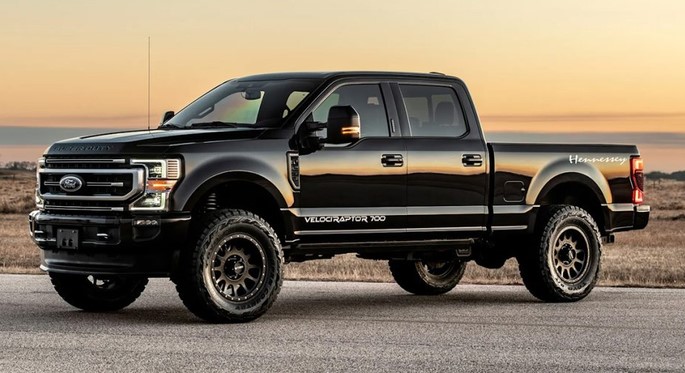
For entrepreneurs and small business owners, selecting the Best small business trucks is more than a purchase decision—it’s a strategic investment in productivity, reliability, and long-term operational success. Whether hauling supplies, making deliveries, or transporting equipment to job sites, a dependable truck can significantly impact workflow efficiency and customer satisfaction. In an era of expanding commercial mobility solutions, small business trucks offer a versatile blend of capability, efficiency, safety, and cost-effectiveness that meets the diverse demands of modern enterprises. This article provides an in-depth guide to top-rated options, essential selection criteria, and a forward-looking idea designed to enhance the small business trucking experience.

Choosing the Right Truck for Your Business Needs

Selecting the ideal truck for your business requires careful consideration of how it will be used daily. Performance specifications and cargo capacity are top priorities, but financial factors, driver comfort, fuel economy, warranty coverage, and resale value are equally important for small businesses working within tight budgets.

Core Criteria for Evaluation

  • Payload & Towing Capacity: For any small business, the primary role of a truck is material transport. Payload capacity refers to how much weight the truck can carry in its bed and cabin, while towing capacity indicates what it can pull—trailers, equipment, or additional cargo. Ensure the truck’s specifications comfortably exceed your anticipated load requirements.
  • Fuel Efficiency: Rising fuel costs affect the bottom line. Trucks with efficient engines, diesel options, or hybrid powertrains can save money over the long haul, particularly for businesses covering extensive routes or frequent daily use.
  • Durability & Maintenance Costs: Commercial trucks endure heavy wear and tear. A model with a strong reputation for durability, easy access to parts, and reasonable maintenance costs will reduce downtime and unexpected expenses.
  • Crew & Equipment Needs: Evaluate whether your operation requires crew cab configurations, specialized shelving, toolboxes, or integrated storage systems. Some manufacturers offer modular commercial upfits tailored to specific industries.
  • Safety & Comfort: Safety features like lane assist, automatic braking, and blind-spot monitoring protect both drivers and cargo. Comfort amenities—such as adjustable seating, climate control, and ergonomic design—are essential for driver satisfaction and productivity.

Balancing these elements leads to a well-informed purchasing decision and ensures long-term value from your investment.

Top Small Business Trucks: Models That Stand Out

Based on performance, reliability, and overall owner satisfaction, several trucks consistently rank among the Best small business trucks available today. These vehicles span traditional gasoline, diesel, and hybrid configurations, offering versatility across multiple use cases.

Full-Size Trucks

Full-size trucks are ideal for businesses that require maximum capacity and towing capability without sacrificing everyday usability.

  • Ford F-150: A perennial leader among small business owners, the F-150 delivers impressive payload and towing figures, advanced driver assistance features, and multiple powertrain options—including hybrid variants. Its broad accessory ecosystem allows custom upfits for construction, landscaping, or delivery fleets.
  • Chevrolet Silverado 1500: Known for strong reliability and competitive pricing, the Silverado 1500 offers powerful V8 and turbocharged engines. Its comfort-oriented interior makes it appealing for long daily drives, while its towing capacity ensures heavy loads are handled with ease.
  • Ram 1500: Lauded for its refined ride, spacious interior, and user-friendly technology, the Ram 1500 blends comfort with capability. Diesel engine options improve fuel efficiency for high-mileage operations.

Mid-Size Trucks

Mid-size trucks provide agile performance and lower operating costs—especially suited for urban environments or businesses that don’t require maximum towing power.

  • Toyota Tacoma: Renowned for durability and off-road capability, the Tacoma offers dependable performance and strong resale value. Its cabin features proven ergonomic design, and safety systems come standard.
  • Chevrolet Colorado / GMC Canyon: These sibling models balance capability with efficiency. Available diesel engines improve fuel economy while maintaining respectable towing and payload limits.
  • Ford Ranger: Modernized with advanced safety and infotainment features, the Ranger delivers reliable performance and a strong reputation for handling everyday business duties.

Specialized Commercial Vehicles

Some small businesses benefit from trucks designed specifically for commercial use—vehicles that integrate cargo solutions, shelving systems, and utility extras directly from the factory or third-party upfitters.

  • Ram ProMaster: While technically a van platform, the ProMaster’s truck-like utility and customizable interior make it a versatile choice for service-oriented businesses like plumbing, electrical, and mobile repair.
  • Ford Transit Chassis Cab: For heavier upfitting needs—such as box trucks, flatbeds, or refrigerated units—the Transit chassis cab offers a solid foundation with generous capacity and a strong support network.

A New Idea: Subscription-Based Utility Trucks

A forward-thinking model that could redefine small business vehicle access is Subscription-Based Utility Trucks. Rather than purchasing or leasing a truck outright, entrepreneurs gain flexible access to a fleet of commercial vehicles through a monthly subscription—similar to the consumer car subscription trend.

How Subscription Utility Works

  • All-Inclusive Access: Subscriptions bundle insurance, maintenance, roadside assistance, and fleet management services under a single monthly fee.
  • Flexible Fleet Choices: Businesses can switch between truck models—mid-size for daily deliveries, full-size for heavy jobs, or specialized vehicles during seasonal demands.
  • Scalable Options: As a business grows, subscription tiers can adjust to provide access to larger fleets or premium utility accessories.
  • Reduced Capital Burden: No large upfront costs or long-term financing commitments ease cash flow—especially helpful for startups or seasonal enterprises.

Benefits of this model include predictable operational costs, reduced risk of asset depreciation, and access to the latest truck models with up-to-date safety and efficiency technology.

Choosing among the Best small business trucks is a critical step in building a productive, efficient, and resilient enterprise. Whether you need a robust full-size hauler, an agile mid-size performer, or a versatile commercial vehicle, today’s market offers dependable workhorses tailored to specific business needs. Emerging ideas like subscription-based utility access promise even greater flexibility and cost predictability. For entrepreneurs focused on growth, investing in the right truck isn’t just about transportation—it’s about empowering your business to operate smarter, safer, and more profitably.

Source:https://t4.ftcdn.net

For small businesses, having a reliable vehicle fleet is critical to ensuring smooth operations, timely deliveries, and customer satisfaction. Whether you’re running a delivery service, managing a team of salespeople, or providing in-home services, your choice of vehicles will directly affect the efficiency and cost-effectiveness of your business. When considering a small business vehicle fleet, it’s essential to choose vehicles that offer reliability, low operational costs, and the right features for your business needs. This article will guide you through the best options for building a small business vehicle fleet that delivers both reliability and cost efficiency.

1. Key Considerations for Selecting Vehicles for Your Small Business Fleet

Before diving into specific vehicle options, it’s crucial to understand the key factors that impact your decision when choosing vehicles for your small business fleet. Selecting the right vehicles involves more than just considering the purchase price. Here are some essential considerations:

1.1 Reliability and Durability

The reliability of your fleet directly impacts your business’s ability to deliver services or products on time. Frequent breakdowns or maintenance issues can lead to costly downtime and dissatisfied customers. Opting for vehicles known for their longevity and durability can help avoid unexpected repairs and maintenance costs.

1.2 Fuel Efficiency

Fuel costs are a significant part of operating a vehicle fleet. Choosing vehicles that are fuel-efficient can help reduce operating expenses, especially if your business requires a lot of driving. High-mileage vehicles with low fuel consumption ensure that your fleet remains cost-effective over the long term.

1.3 Total Cost of Ownership (TCO)

The total cost of ownership includes the purchase price, fuel expenses, insurance, maintenance, and depreciation over time. Vehicles with low upfront costs but high maintenance or insurance costs can end up being more expensive in the long run. It’s essential to consider all these factors when assessing the true cost of adding a vehicle to your fleet.

1.4 Maintenance and Servicing

Routine maintenance is a vital consideration when managing a fleet. Some vehicles require more frequent servicing than others, and parts availability can differ by make and model. Choosing brands and vehicles with good access to affordable parts and widespread service availability is key to minimizing downtime and costs.

2. Best Vehicles for a Small Business Fleet

With these key factors in mind, let’s dive into some of the best options for building a small business vehicle fleet that balances reliability with cost efficiency.

2.1 Ford Transit Van

The Ford Transit is one of the most popular choices for small business fleets, especially for businesses that need to transport goods, equipment, or service personnel. The Transit offers a wide range of configurations, including cargo vans, passenger vans, and chassis cabs, making it a versatile option for various business types.

Why Choose the Ford Transit:

  • Reliability: Ford has a reputation for building durable, long-lasting vehicles. The Transit is no exception, with robust engines and construction.
  • Fuel Efficiency: The Transit offers solid fuel economy, with an average of 19-26 MPG depending on configuration.
  • Customizability: With multiple wheelbase options, roof heights, and payload capacities, you can tailor the Transit to your specific needs.
  • Low Operating Costs: Its widespread availability of parts and service providers helps keep maintenance costs lower than other options.

The Ford Transit provides a great balance between cost, versatility, and reliability for a variety of small business needs.

2.2 Toyota Tacoma

For businesses that need a more rugged option, especially for outdoor or construction-related work, the Toyota Tacoma is an excellent choice. Known for its off-road capabilities, the Tacoma is a compact pickup that can handle challenging environments while offering reliability and good fuel efficiency.

Why Choose the Toyota Tacoma:

  • Off-Road Capability: With advanced four-wheel-drive systems, the Tacoma excels in off-road conditions, making it ideal for businesses that require vehicles to navigate tough terrain.
  • Reliability: Toyota’s reputation for building durable, low-maintenance vehicles is well-known, and the Tacoma is no exception.
  • Fuel Efficiency: The Tacoma offers good fuel efficiency for a pickup, averaging around 20-23 MPG.
  • Resale Value: Toyota vehicles are known for their strong resale value, which can help reduce the overall cost of ownership.

The Toyota Tacoma is a reliable and cost-effective choice for small businesses that need a robust, versatile vehicle capable of handling both urban and off-road environments.

2.3 Ram ProMaster City

The Ram ProMaster City is a compact cargo van that’s perfect for small businesses in need of a flexible, efficient delivery vehicle. Smaller than full-size cargo vans, the ProMaster City still provides a surprising amount of interior space for goods and equipment, making it ideal for urban environments where maneuverability is crucial.

Why Choose the Ram ProMaster City:

  • Compact Size: Its smaller footprint makes it easier to navigate city streets, park, and access tight spaces.
  • Cargo Space: Despite its size, the ProMaster City offers ample cargo space, with a best-in-class 131.7 cubic feet of storage.
  • Fuel Efficiency: With an estimated 21 MPG city and 28 MPG highway, the ProMaster City delivers excellent fuel economy for a vehicle in this class.
  • Low Maintenance Costs: The ProMaster City’s simple design and affordable parts help keep maintenance costs low.

For small businesses operating in urban areas that need a compact, reliable van for deliveries or service work, the Ram ProMaster City is an excellent choice.

2.4 Chevrolet Silverado 1500

For small businesses that require a full-size pickup with a combination of power, towing capacity, and everyday usability, the Chevrolet Silverado 1500 is a great option. Whether you’re in construction, landscaping, or any other business that requires hauling heavy loads, the Silverado offers a great balance of performance and efficiency.

Why Choose the Chevrolet Silverado 1500:

  • Towing Capacity: With up to 13,300 lbs of towing capacity, the Silverado is ideal for hauling trailers, equipment, or heavy loads.
  • Durability: Known for its long-lasting construction, the Silverado is a workhorse that’s built to withstand demanding tasks.
  • Fuel Efficiency: The Silverado’s 2.7L turbocharged engine offers competitive fuel efficiency for a full-size truck, averaging around 20 MPG combined.
  • Comfort: In addition to its work capabilities, the Silverado offers a comfortable ride, making it suitable for long-distance travel.

The Chevrolet Silverado 1500 is a solid choice for businesses that need the power of a full-size pickup without sacrificing too much in terms of fuel efficiency.

3. Key Strategies for Maximizing Fleet Efficiency and Cost Savings

Once you’ve selected the right vehicles for your small business vehicle fleet, it’s essential to implement strategies that help maximize efficiency and reduce costs over time. Here are some tips for getting the most out of your fleet:

3.1 Implement Preventive Maintenance

Regular maintenance is the best way to ensure your fleet stays operational and avoids costly repairs down the road. Set up a preventive maintenance schedule for oil changes, brake inspections, tire rotations, and fluid checks. Catching small issues early can save you significant money in the long run.

3.2 Leverage Fleet Management Software

Fleet management software can help you track your vehicles’ performance, monitor fuel consumption, schedule maintenance, and manage driver behavior. By using these tools, you can identify areas of inefficiency and make data-driven decisions to improve your fleet’s overall performance.

3.3 Choose Vehicles with Long Warranties

Selecting vehicles with extended warranties or maintenance plans can provide peace of mind and help reduce repair costs during the first few years of operation. Many automakers offer business-focused warranty programs that can be beneficial for fleet owners.

Building and maintaining a small business vehicle fleet that combines reliability, cost-efficiency, and performance is essential for your business’s success. By selecting vehicles that offer a balance of durability, fuel efficiency, and low total cost of ownership, you can keep your business running smoothly without breaking the bank. Whether you opt for a Ford Transit, Toyota Tacoma, or Ram ProMaster City, choosing the right vehicle depends on your unique needs and the demands of your business. With the right selection and proper maintenance, your fleet can serve as a long-term asset that drives productivity and helps your small business thrive.

Source:https://www.budgettrucks.com.au

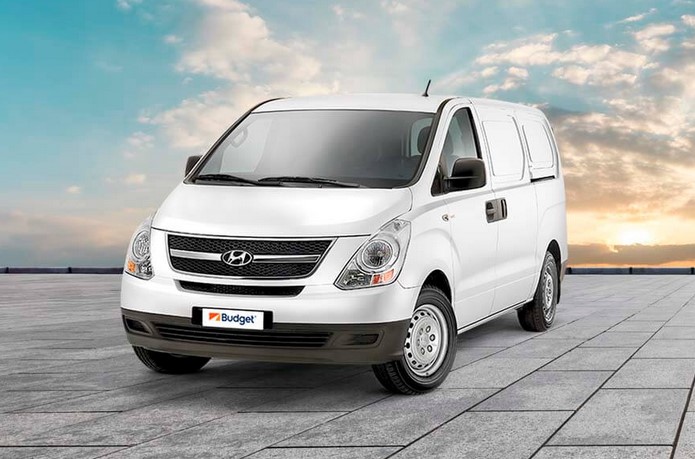
As your business expands, so do your transportation needs. Whether you’re managing deliveries, offering mobile services, or need vehicles to move employees or equipment, building a fleet can quickly become a significant expense. However, for growing businesses on a budget, purchasing fleet vehicles doesn’t have to break the bank. Finding the best budget fleet vehicles that balance cost, reliability, and efficiency is crucial to keeping operations running smoothly without overspending. In this article, we’ll explore affordable options for fleet vehicles, providing insights on the best budget fleet vehicles for businesses that need practical and cost-effective solutions.

Why Choosing Budget Fleet Vehicles Is Important for Your Business

Investing in fleet vehicles is a major decision for any business. The right choice can help streamline your operations, improve productivity, and ultimately drive revenue growth. However, the wrong decision can result in high maintenance costs, poor fuel efficiency, and vehicles that don’t suit your needs. This is why finding the best budget fleet vehicles is essential.

1. Cost-Effectiveness

As your business grows, the need for more vehicles might increase, and with that comes the challenge of managing operating costs. Fleet purchases typically involve high upfront costs, but when considering budget options, you can significantly reduce these expenses. Opting for the best budget fleet vehicles allows you to maintain a fleet without overextending your budget, leaving more room for reinvestment into other areas of the business, such as marketing, staff, or product development.

2. Fuel Efficiency

Fuel costs can be one of the most significant ongoing expenses associated with fleet vehicles, especially for businesses with delivery or transport requirements. The best budget fleet vehicles offer superior fuel efficiency, allowing your business to reduce operational costs. Choosing the right vehicle with optimal mileage will help you save money in the long run, especially if your fleet is frequently on the road.

3. Reliability and Maintenance

When selecting budget fleet vehicles, reliability is a top priority. The best budget fleet vehicles not only cost less upfront but are also designed to offer long-term dependability with minimal maintenance issues. Choosing vehicles known for their longevity can help reduce downtime, costly repairs, and the stress of having to constantly replace or fix vehicles.

Top Affordable Fleet Vehicle Options for Growing Businesses

There are many options on the market that provide a balance of affordability, durability, and fuel efficiency. Below are some of the best budget fleet vehicles to consider when expanding your business.

1. Ford Transit Connect

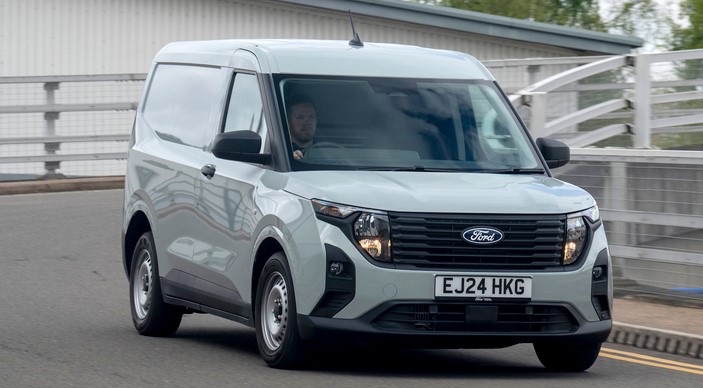
The Ford Transit Connect is one of the most popular vehicles for businesses in need of a compact, versatile work van. This vehicle offers a low starting price while maintaining a robust list of features that make it ideal for small business owners.

  • Pros: Affordable base price, impressive cargo space, and excellent fuel economy for a van. It is also available with both a short and long wheelbase to accommodate varying cargo needs.
  • Cons: The powertrain may feel underwhelming for businesses requiring heavy hauling, and the base model lacks some luxury features.
  • Why it’s a good choice: For businesses in need of a versatile van that offers practicality without high upfront costs, the Ford Transit Connect is one of the best budget fleet vehicles available today.

2. Toyota Tacoma

If your business requires a reliable truck that can handle rugged terrain and heavy loads without breaking the bank, the Toyota Tacoma is a solid option. Known for its durability and low maintenance costs, the Tacoma is an excellent choice for small businesses that require a work truck but don’t want to pay the premium price of larger models.

  • Pros: Reliable, fuel-efficient for a truck, and well-suited for both urban and off-road work. The Tacoma has a reputation for longevity and retains its value well.
  • Cons: A smaller bed size compared to other full-size trucks may limit its payload capacity. It may also have a rougher ride due to its truck nature.
  • Why it’s a good choice: For businesses that need a dependable truck for tough jobs without the steep price of a full-size truck, the Toyota Tacoma is among the best budget fleet vehicles.

3. Chevrolet Silverado 1500

For businesses that need a full-size truck that won’t empty their bank account, the Chevrolet Silverado 1500 is a great choice. This vehicle is ideal for hauling large loads or transporting heavy equipment while offering fuel efficiency and a comfortable ride.

  • Pros: Available in several configurations, from regular cabs to crew cabs, it’s versatile and powerful. It offers excellent towing capabilities and advanced tech features, especially in the newer models.
  • Cons: It can be more expensive than compact trucks, especially if you choose higher-end trims. Fuel economy could also be better for a full-size truck.
  • Why it’s a good choice: For businesses needing a reliable, full-size work truck, the Silverado 1500 delivers excellent value without exceeding your budget.

4. Honda Civic

For businesses that need a fleet of affordable, fuel-efficient cars for delivery, services, or employees, the Honda Civic is an outstanding choice. Its low maintenance costs, excellent fuel efficiency, and reliable performance make it a popular choice for small and medium-sized businesses.

  • Pros: Great fuel economy, reliability, and value. The Civic is a compact car, meaning it’s ideal for city driving, and it comes in various trims, including hybrid options.
  • Cons: Not ideal for businesses requiring large cargo space or heavy-duty transport. It’s also less powerful compared to larger vehicles.
  • Why it’s a good choice: The Honda Civic stands out as one of the best budget fleet vehicles for businesses looking to maintain a fuel-efficient, dependable fleet of cars without compromising on reliability.

5. Ram ProMaster City

For businesses requiring a compact yet capable commercial van, the Ram ProMaster City offers the perfect balance of affordability, utility, and versatility. It’s ideal for businesses that need to transport goods and supplies without the bulk and expense of larger vans.

  • Pros: Compact size, excellent cargo capacity, and fuel-efficient engine options. The ProMaster City is maneuverable, making it great for urban environments.
  • Cons: Limited engine options and may not offer as much cargo capacity as larger models. Some competitors offer more luxurious interiors or better technology features.
  • Why it’s a good choice: The ProMaster City is an ideal solution for businesses needing a reliable, low-cost delivery vehicle with ample storage space.

Tips for Selecting the Best Budget Fleet Vehicles for Your Business

While the vehicles mentioned above are among the best budget fleet vehicles, choosing the right ones for your business requires careful consideration of your needs. Here are some tips to help you make the best decision:

1. Evaluate Your Business’s Specific Needs

Think about how your vehicles will be used. Will they primarily be used for short trips within the city, or do they need to handle long-distance transportation? Does your business require towing capability, or do you need more cargo space? Understanding these needs will help you select the best vehicle for your fleet.

2. Consider Total Cost of Ownership

The upfront cost of purchasing or leasing a vehicle is just one part of the equation. Consider the total cost of ownership, including fuel costs, maintenance, insurance, and potential repairs over the vehicle’s lifespan. A low initial price might seem appealing, but higher maintenance costs or fuel inefficiency could lead to higher overall expenses.

3. Opt for Fleet Management Solutions

As your business grows, managing multiple vehicles can become challenging. Consider working with a fleet management company that can help streamline operations, manage maintenance schedules, and track expenses. Some companies also provide software that allows you to track mileage, fuel consumption, and driver behavior, which can ultimately help you make more cost-effective decisions.

4. Leasing vs. Buying

When considering the best budget fleet vehicles, also weigh the option of leasing versus purchasing. Leasing allows for lower upfront costs, easier upgrades, and the ability to preserve capital, whereas purchasing vehicles gives you ownership but requires more significant capital investment upfront. Evaluate the financial flexibility of your business to decide which option is better suited to your needs.

Finding the best budget fleet vehicles is essential for growing businesses looking to expand without overspending. Whether you opt for compact cars like the Honda Civic, reliable work trucks such as the Toyota Tacoma, or versatile commercial vans like the Ford Transit Connect, there are plenty of affordable options to choose from. By evaluating your business’s specific needs, considering the total cost of ownership, and weighing leasing vs. buying, you can ensure that your fleet remains efficient, reliable, and cost-effective. With the right choices, your fleet can support your business’s growth while maintaining your financial health.

Source:https://carwow-uk-wp-3.imgix.net

When it comes to operating a successful business, having the right transportation is crucial. Whether it’s for deliveries, service calls, or transporting equipment, business vehicles play a vital role in your daily operations. However, purchasing and maintaining a fleet of vehicles can be expensive, especially for small to medium-sized businesses. Fortunately, best commercial leases offer a smart alternative to buying vehicles outright. Leasing provides businesses with flexibility, lower upfront costs, and the ability to upgrade vehicles frequently. In this article, we will explore why best commercial leases are a valuable option for businesses and help you understand how to choose the right leasing solution for your needs.

Why Choose Commercial Leasing for Your Business?

Leasing business vehicles is an excellent way to preserve capital, enhance cash flow, and avoid the long-term commitment that comes with owning a fleet. However, choosing the best commercial leases requires understanding the benefits and nuances of leasing, as well as recognizing the specific needs of your business.

1. Lower Upfront Costs

When you lease a business vehicle, you typically pay a lower down payment than if you were to purchase the vehicle outright. This significantly reduces your upfront expenses, freeing up cash that can be better used to invest in other aspects of your business, such as marketing, hiring employees, or improving your products and services. For small businesses, especially those in growth phases, this is a crucial advantage.

Unlike purchasing, where you need to account for the entire cost of the vehicle, leasing allows you to spread out payments over the term of the lease. This can make it much easier to manage your business finances and maintain positive cash flow.

2. Flexible Terms and Upgrade Options

One of the biggest advantages of leasing is the flexibility it offers. Most commercial leases allow you to select the term length—typically ranging from two to five years—based on your business’s needs. Shorter-term leases provide businesses the ability to change vehicles more frequently, ensuring you’re always driving the latest models with the latest technology.

Leasing also gives businesses the ability to upgrade vehicles regularly. For example, if your company’s needs change or if you require vehicles with advanced safety features or better fuel efficiency, leasing allows you to easily transition to newer models when your lease term ends. This keeps your fleet fresh, ensuring you’re always working with modern, reliable vehicles.

3. Maintenance and Tax Benefits

With many leasing options, maintenance can be included in the terms of the lease, meaning that you don’t have to worry about unexpected repair costs. This can be a major benefit for businesses that rely on their vehicles to operate daily. With maintenance coverage, you can ensure that your fleet stays in excellent condition, with fewer disruptions to your business operations.

Additionally, leasing may provide tax advantages. Lease payments may be deductible as a business expense, which can help reduce your overall taxable income. The specific tax benefits depend on your location and the structure of your business, so it’s important to consult with a tax professional to understand how leasing might impact your tax situation.

Types of Commercial Leases for Vehicles

When looking into best commercial leases for your business, it’s essential to understand the different types of lease structures available. Each type of lease has its pros and cons depending on the type of vehicle and the needs of your business.

1. Closed-End Lease (Operating Lease)

A closed-end lease, often referred to as an operating lease, is the most common type of commercial lease. Under this structure, the business rents the vehicle for a fixed term (usually 2 to 5 years), and at the end of the term, the vehicle is returned to the leasing company. The lessee (you) is only responsible for the agreed-upon monthly payments during the lease term, and there are typically no additional costs at the end of the lease as long as the vehicle is in good condition and within the agreed mileage limit.

This type of lease is ideal for businesses that want the flexibility of upgrading their vehicles frequently without worrying about ownership or depreciation. It’s also a good option if you prefer not to have to sell the vehicle at the end of its life or deal with the complexities of resale.

2. Open-End Lease (Finance Lease)

An open-end lease, also known as a finance lease, is typically used by businesses that plan to keep the vehicle long-term. This type of lease is often structured with lower monthly payments, but at the end of the lease, the business may be required to buy the vehicle or pay a residual value that reflects the car’s depreciated worth.

The open-end lease is ideal for companies that have specific long-term vehicle needs and are comfortable with owning the vehicle at the end of the lease term. While this option can be more expensive in the long run, it allows businesses to own the vehicle outright at the end of the lease or negotiate a more attractive buyout price.

3. Lease with Maintenance Package

For businesses that rely heavily on their vehicles for daily operations, opting for a lease with a maintenance package can be a smart choice. Under this lease option, routine maintenance and repair services are included as part of the lease agreement, removing the need for businesses to budget separately for vehicle repairs and upkeep.

With a maintenance package, you can ensure that your vehicles remain in top condition throughout the term of the lease, preventing unexpected repair costs and reducing downtime caused by vehicle malfunctions. This is particularly valuable for businesses that require high levels of mobility, such as delivery services or field-based contractors.

How to Choose the Best Commercial Lease for Your Business Vehicles

Selecting the best commercial leases for your business requires thoughtful consideration of your business’s needs, finances, and goals. Here are some key factors to keep in mind when evaluating lease options:

1. Determine Your Budget

Before entering into any lease agreement, it’s crucial to evaluate your budget and determine how much you can afford to spend on leasing vehicles. Keep in mind that monthly lease payments may vary depending on factors such as the make and model of the vehicle, the length of the lease, and whether maintenance services are included.

2. Understand Your Business’s Needs

Think about how often you’ll use the vehicle, how many miles you expect to drive annually, and whether you’ll need specialized vehicles (such as trucks or vans). If your business demands that you use your vehicles frequently, a closed-end lease may provide the flexibility you need. Alternatively, an open-end lease might be better if you foresee keeping the vehicle for the long haul.

3. Consider Tax Implications

As mentioned, leasing can provide certain tax advantages. Be sure to consult with a tax advisor to ensure you’re taking full advantage of any tax benefits that may be available to you based on the lease structure and the type of vehicle.

4. Research Leasing Companies

Not all leasing companies are created equal. Take the time to research reputable leasing companies that specialize in commercial vehicle leasing. Look for companies with a strong reputation for customer service, transparent pricing, and flexible terms. Additionally, check if they offer additional services such as vehicle maintenance or fleet management to help you streamline your operations.

When it comes to acquiring vehicles for your business, best commercial leases offer a variety of smart and practical options that can help you maximize your resources and streamline your operations. Whether you need the flexibility to upgrade your vehicles regularly or require long-term ownership with lower upfront costs, leasing provides businesses with affordable and customizable solutions. By considering factors like budget, vehicle usage, and lease type, you can find the ideal leasing option to suit your business’s unique needs. With the right best commercial leases, you can improve your business’s efficiency, reduce costs, and keep your operations running smoothly for years to come.

Source:https://www.gps-buddy.com

In today’s fast-paced business world, managing a fleet of commercial vehicles comes with its own set of challenges. One of the most critical concerns for fleet operators is ensuring the security of their vehicles. From theft prevention to real-time tracking, the best GPS trackers for commercial vehicles are indispensable tools in managing fleet security, reducing costs, and improving operational efficiency. These devices provide valuable insights into vehicle locations, driving behaviors, and even maintenance needs, ultimately improving the safety and security of your fleet.

In this article, we will explore the importance of GPS tracking for commercial vehicles and provide a comprehensive guide to the best GPS trackers available. Whether you are managing a small delivery fleet or a large logistics operation, understanding how GPS trackers work and choosing the right one for your business needs is essential to boosting security and overall fleet management.

Why GPS Trackers Are Essential for Commercial Vehicles

The implementation of GPS tracking technology in commercial vehicles has revolutionized how businesses operate and manage their fleet. Below are a few key reasons why GPS trackers are crucial for fleet security and efficiency:

1. Real-Time Vehicle Tracking

The ability to track vehicles in real-time is one of the most important features of a GPS tracker. Fleet managers can know the exact location of their vehicles at any given time. This not only helps with route optimization but also provides peace of mind that the vehicles are safe and secure.

Real-time tracking is also invaluable in the case of theft. If a vehicle is stolen, having a GPS tracker installed can significantly increase the chances of recovering the vehicle quickly.

2. Geofencing and Alerts

Geofencing allows fleet managers to set up virtual boundaries for their vehicles. If a vehicle enters or exits a designated area, the GPS tracker sends an instant alert. This feature helps prevent unauthorized use of vehicles, track potential diversion routes, and even ensure that drivers are staying within the designated areas.

3. Driver Behavior Monitoring

Some GPS trackers for commercial vehicles offer advanced features that monitor driving behaviors such as speed, braking patterns, and idling time. This allows fleet managers to identify risky driving habits and provide feedback or training to improve safety and reduce the risk of accidents.

4. Maintenance and Fuel Management

Many modern GPS trackers for commercial vehicles come with vehicle diagnostic features. They can track engine health, tire pressure, fuel consumption, and even provide alerts when maintenance is due. This helps prevent unexpected breakdowns and ensures that the fleet is always operating at peak performance.

5. Improved Fleet Management Efficiency

By using a GPS tracker, businesses can reduce fuel consumption, optimize routes, and ensure that drivers are following schedules. This leads to a more efficient operation, lower costs, and improved customer satisfaction due to timely deliveries and better route planning.

Top GPS Trackers for Commercial Vehicles

Now that we understand the critical role GPS trackers play in fleet security, let’s look at some of the best options available on the market. These trackers stand out for their reliability, features, and ability to meet the unique needs of commercial vehicles.

1. Samsara GPS Fleet Tracking System

Samsara is one of the leading providers of fleet tracking solutions. Their GPS fleet tracking system is designed to improve fleet efficiency, security, and driver safety. With Samsara, fleet managers get access to a wide range of features that enhance both real-time tracking and long-term fleet management.

Key Features:

  • Real-Time GPS Tracking: Track your vehicles in real-time, with accurate location updates.
  • Geofencing Alerts: Set up geofences to be alerted when vehicles enter or exit specific areas.
  • Driver Behavior Monitoring: Monitor speed, harsh braking, and other key metrics to improve driver safety.
  • Vehicle Health Monitoring: Receive diagnostic alerts for issues such as low tire pressure or engine malfunctions.
  • Customizable Reports: Get in-depth reports to analyze vehicle performance, fuel consumption, and more.

Pros:

  • Comprehensive set of features
  • Easy-to-use interface
  • Excellent customer support

Cons:

  • Subscription costs may be higher compared to other options

2. Geotab GO9 GPS Tracker

Geotab is a global leader in GPS fleet management and offers one of the most advanced solutions for commercial vehicles. The Geotab GO9 GPS tracker provides exceptional performance, scalability, and flexibility for businesses of all sizes.

Key Features:

  • Real-Time GPS Tracking: Monitor the exact location of all vehicles in your fleet.
  • Driver Safety Scorecard: Track driver behavior and receive safety scores for individual drivers.
  • Maintenance Alerts: Get notifications for maintenance tasks and check engine alerts.
  • Fuel Management: Optimize fuel consumption through accurate data and reporting.
  • Scalable Solution: Geotab’s system is highly scalable, making it ideal for businesses with growing fleets.

Pros:

  • Highly customizable and scalable
  • Detailed reporting and analytics
  • Supports integration with third-party systems

Cons:

  • The setup can be more complex for smaller fleets
  • Price may be a bit steep for small businesses

3. Tracki GPS Tracker

Tracki is an affordable yet reliable GPS tracker that works for both personal and commercial vehicles. Tracki offers a versatile range of features for businesses that need basic GPS tracking with additional perks such as real-time alerts and geofencing.

Key Features:

  • Real-Time Location Tracking: Track vehicles in real time using a mobile app or web interface.
  • Geofencing: Set boundaries for vehicles and get alerts when they enter or exit predefined areas.
  • Multiple Device Support: Track up to 100 vehicles at the same time using the same account.
  • Worldwide Coverage: Track vehicles anywhere in the world using cellular and GPS networks.

Pros:

  • Affordable pricing
  • Small and compact design, easy to hide in vehicles
  • 24/7 customer support

Cons:

  • Not as feature-rich as higher-end models
  • Relatively short battery life on certain models

4. Bouncie GPS Tracker

Bouncie offers an easy-to-use, real-time GPS tracker that works well for small to medium-sized commercial fleets. Its user-friendly mobile app and web portal make it easy for fleet managers to monitor vehicles and drivers.

Key Features:

  • Real-Time Tracking: Get location updates every 15 seconds for accurate fleet management.
  • Driver Behavior Reports: Monitor acceleration, braking, and idling to ensure driver safety and efficiency.
  • Maintenance Alerts: Receive reminders when maintenance is due to keep vehicles running smoothly.
  • Geofencing: Set up virtual boundaries to monitor unauthorized use or vehicle movement.

Pros:

  • Affordable and cost-effective
  • Simple setup and user-friendly interface
  • Works for both small and medium-sized fleets

Cons:

  • Limited customization options compared to other trackers
  • No advanced reporting features

5. MOTOsafety GPS Tracker

MOTOsafety provides a highly reliable GPS tracker with an emphasis on safety and performance. This system is specifically designed for fleet management, making it easy for businesses to monitor and manage their vehicles in real time.

Key Features:

  • Real-Time Tracking: Track vehicle locations on a live map.
  • Driver Safety Alerts: Get alerts on harsh braking, speeding, and other unsafe driving behaviors.
  • Geofencing: Create safe zones and get alerts if vehicles leave these zones.
  • Reports and Analytics: Generate driver reports to improve performance and safety.

Pros:

  • Affordable for small businesses
  • Easy to install and set up
  • Provides real-time alerts for dangerous driving

Cons:

  • Basic reporting features
  • Limited scalability for larger fleets

Choosing the Right GPS Tracker for Your Commercial Fleet

Selecting the best GPS trackers for commercial vehicles depends on your business’s specific needs, fleet size, and budget. While high-end trackers like Samsara and Geotab offer a wide range of features, smaller businesses may find solutions like Tracki or MOTOsafety to be more cost-effective and sufficient for their fleet management needs. It’s important to weigh factors such as ease of installation, customer support, data analytics, and scalability when making your decision.

In conclusion, the best GPS trackers for commercial vehicles are essential tools for improving fleet security, operational efficiency, and driver safety. By implementing GPS tracking, businesses can reduce risks, optimize routes, and ensure that vehicles are properly maintained. Whether you opt for a feature-rich system like Samsara or a more affordable solution like Tracki, the right GPS tracker can provide valuable insights into your fleet’s performance and security, ultimately helping to streamline operations and reduce costs.