
Source:https://static-oss.icartea.com

You’re idling at a long traffic light in downtown Jakarta or stuck in a Monday morning crawl on the freeway. You glance at the fuel gauge and realize that while you haven’t moved an inch, your money is literally evaporating through the tailpipe. In 2026, with global oil prices fluctuating between $100 and $120 per barrel, fuel efficiency isn’t just an environmental choice—it’s a survival tactic for your bank account. Research shows that aggressive driving alone can hike your fuel bill by up to 40% in heavy traffic.

In my decade of pulling apart engines and testing vehicle telematics, I’ve learned that most drivers leave money on the table every single time they start their cars. I’ve seen perfectly tuned vehicles ruined by poor driving habits and “gas guzzlers” perform like hybrids simply because the person behind the wheel knew the technical secrets of momentum.

If you’re ready to stop being a “fuel donor” to the oil companies, this guide is your technical roadmap to mastering how to reduce fuel consumption.


The Physics of Efficiency: Momentum is Your Best Friend

Think of your car’s engine as a marathon runner. A runner uses the most energy during a sprint and the least while maintaining a steady jog. Every time you slam on the brakes, you’re throwing away the kinetic energy you just paid for in gasoline.

To effectively reduce fuel consumption, you need to manage the “energy cycle” of your vehicle.

The 10-Second Idling Myth

I’ve spent years debunking the old myth that “restarting the car uses more fuel than idling.” In modern fuel-injected engines, this is flat-out false.

  • The Rule: If you are stopped for more than 10 seconds, turn the engine off.

  • The Data: Idling can burn between 0.7 to 1.9 liters per hour. In a year, that “harmless” idling can add up to thousands of “ghost miles” that wear out your engine without moving you a single inch.


Smart Driving: Habits That Save at the Pump

Mastering how to reduce fuel consumption starts with changing the “software” (your brain) before the hardware.

1. The “Egg Under the Pedal” Technique

Imagine there is a raw egg between your foot and the accelerator. If you press too hard, you break the egg.

  • The Insight: Smooth, gradual acceleration allows the Electronic Control Unit (ECU) to optimize the air-fuel ratio. Rapid “jackrabbit” starts force the engine into a rich-burn state where it dumps extra fuel into the cylinders to meet the demand for power.

2. Predictive Braking (Engine Braking)

Instead of rushing to a red light and slamming the brakes, let off the gas early.

  • The Tech: Most modern cars use Deceleration Fuel Cut-Off (DFCO). When you coast in gear with your foot off the pedal, the ECU literally stops injecting fuel into the engine, using the car’s momentum to keep the pistons moving. You are effectively driving for free.

3. Aerodynamic Drag Management

Think of your car like a swimmer. At low speeds, water (air) doesn’t resist much. At high speeds, it feels like concrete.

  • The Speed Sweet Spot: Most vehicles achieve peak fuel economy between 50-80 km/h.

  • Windows vs. A/C: Below 60 km/h, open the windows. Above 80 km/h, close them and use the A/C. The “drag” created by open windows at high speeds hurts your mileage more than the A/C compressor ever could.


Maintenance: The Silent Fuel Thieves

You can be the smoothest driver in the world, but if your car is “sick,” it will be thirsty. To reduce fuel consumption, your maintenance schedule must be surgical.

The “Contact Patch” Crisis: Tire Pressure

Your tires are the only thing connecting your engine’s power to the road.

  • The Analogy: Driving with underinflated tires is like walking in deep sand—it requires significantly more effort for every step.

  • The Data: A drop of just 1 PSI can reduce your mileage by 0.2%. I’ve seen cars come into the shop with tires 10 PSI low, meaning the owner was effectively burning an extra 3% of their tank for no reason.

Weight Reduction (The Boot Audit)

Every 45 kg (100 lbs) of extra weight in your car reduces your fuel economy by roughly 1-2%.

  • Pro Tip: If those golf clubs or heavy tools have been in your trunk for a month, take them out. Your car isn’t a storage unit; it’s a precision machine that hates dead weight.


Expert Advice: Tips and Hidden Warnings

As someone who has looked at thousands of fuel trims and sensor logs, here is the expert “insider” advice that often goes unmentioned.

Tips Pro: The “Short Trip” Warning

Engines are at their most inefficient when they are cold. The fuel doesn’t atomize properly, and the catalytic converter hasn’t reached its operating temperature.

  • The Strategy: Combine your errands. One 20-km trip is much more fuel-efficient than five 4-km trips because the engine stays at its “Thermal Sweet Spot.”

Hidden Warning: The “Dirty Air Filter” Delusion

In older carbureted cars, a dirty air filter killed gas mileage. In modern fuel-injected cars, the ECU will adjust the fuel to match the restricted air, so you might not see a huge drop in MPG—but you will lose massive amounts of acceleration.

  •  A clogged filter forces your Turbocharger (if equipped) to work harder, increasing internal heat and potentially leading to a massive repair bill down the road.

High-Quality Fluids Matter

  • The Advice: Use the exact viscosity of motor oil recommended in your manual (e.g., 0W-20 vs 5W-30). Thicker oil creates more internal “friction” (viscous drag), forcing the engine to work harder just to spin its own parts.


Scannable Checklist for Maximum Efficiency

Before your next trip, run through this quick “Fuel Audit”:

  • [ ] Tire Pressure: Checked while cold? (Check the sticker on your door jamb).

  • [ ] Roof Racks: Removed? (Empty roof racks can increase drag by 10-20%).

  • [ ] Gas Cap: Tightened? (A loose cap can let fuel vapors escape, triggering a “Check Engine” light).

  • [ ] Route Planning: Using an app to avoid the heaviest 8:00 AM congestion?

  • [ ] A/C Settings: Set to 22-24°C instead of “Max Cold”? (This can save 10-15% of A/C-related fuel use).


Summary: Drive Smarter, Not Harder

Learning how to reduce fuel consumption isn’t about driving like a snail; it’s about driving with intention. It’s about understanding that every time you touch the pedals, you are making a financial decision. By combining smooth driving habits with a “zero-tolerance” policy for poor maintenance, you can easily slash your monthly fuel bill by 20% to 30%.

The road is long, and fuel isn’t getting any cheaper. It’s time to start treated your car—and your wallet—with the respect they deserve.

What’s the one habit you struggle with most—speeding on the highway or idling in the parking lot? Or have you found a secret maintenance tip that boosted your mileage? Let’s discuss your fuel-saving wins in the comments!
Source:https://www.freeway.com

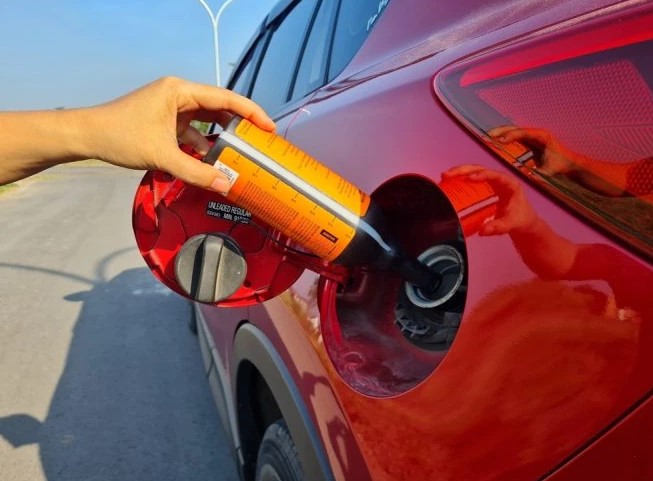
In the world of automotive maintenance, one of the most common questions among car owners is: Do fuel additives really work? The claims surrounding fuel additives often sound too good to be true—improving fuel efficiency, reducing engine knocking, cleaning fuel injectors, and even increasing horsepower. But do these products live up to their promises, or are they just another marketing gimmick? In this article, we’ll dive deep into the facts and myths about fuel additives, separating reality from hype to give you a clear understanding of their true effectiveness.

Understanding Fuel Additives: What Are They?

Fuel additives are chemicals designed to improve or modify the properties of the fuel you use in your vehicle. These additives are typically added to gasoline or diesel fuel in small amounts and are meant to achieve specific performance enhancements. Some of the most common types of fuel additives include:

1. Fuel System Cleaners

These additives claim to clean and restore the fuel system, including injectors, intake valves, and combustion chambers. The idea is that over time, carbon buildup and other contaminants can reduce the efficiency of your engine, and fuel system cleaners are designed to break down and remove these deposits.

2. Octane Boosters

Octane boosters are additives that raise the octane rating of your fuel. The higher the octane, the less likely the fuel is to cause knocking or pinging in the engine. These additives are often marketed to improve engine performance, particularly for high-performance vehicles.

3. Fuel Stabilizers

These additives are designed to keep fuel from degrading over time, which is especially useful for vehicles that sit idle for extended periods, such as motorcycles, boats, or lawnmowers. Fuel stabilizers can prevent the formation of gum and varnish, which could otherwise cause fuel system issues.

4. Cetane Boosters (for Diesel Engines)

Cetane boosters are additives designed for diesel engines to increase the cetane number, which helps improve combustion quality, reduce emissions, and boost engine performance.

While each type of fuel additive has its specific function, the general question remains: Do fuel additives really work? Let’s explore the evidence behind the claims.

The Myth vs. Reality of Fuel Additives

When evaluating whether fuel additives live up to their promises, it’s important to consider the science behind these products and how they interact with your vehicle’s engine.

1. Fuel Efficiency Claims: A Stretch of the Truth?

One of the most common claims made by fuel additive manufacturers is that their products can improve fuel efficiency. However, the reality is more complex. In most cases, fuel additives will have minimal or no effect on fuel economy, especially in newer vehicles that are already running efficiently. Modern engines are designed to optimize fuel combustion and operate at peak efficiency. In these vehicles, the addition of a fuel additive may not lead to any noticeable improvement in gas mileage.

For older vehicles with a dirty fuel system or engine deposits, fuel additives can help clean up some of the grime and improve engine performance slightly. However, this improvement is generally modest and may not justify the cost of purchasing the additive.

2. Fuel System Cleaners: Do They Really Clean the System?

Fuel system cleaners are among the most widely used fuel additives, with manufacturers promising improved performance by removing carbon buildup in the fuel injectors and combustion chamber. The truth is that fuel system cleaners can be effective, particularly for vehicles with some level of carbon deposit buildup. They can break down carbon deposits that could negatively impact fuel atomization, combustion efficiency, and overall engine performance.

However, their effectiveness depends on the specific formulation of the cleaner and the severity of the carbon buildup. In some cases, if the carbon deposits are too extensive, the additive alone may not be sufficient, and a professional cleaning or engine overhaul may be necessary. For minor buildup, fuel system cleaners can provide a modest benefit and improve engine smoothness, but they are not a miracle cure.

3. Octane Boosters: Do They Enhance Engine Performance?

Octane boosters are commonly marketed as a way to increase engine performance, particularly in high-performance vehicles or cars that require premium fuel. The theory behind these boosters is that raising the octane level of fuel can prevent engine knocking and allow the engine to operate more smoothly at higher compression levels.

The reality is that unless your vehicle specifically requires high-octane fuel (typically found in sports cars or vehicles with turbocharged engines), adding an octane booster to regular fuel won’t make a noticeable difference. Most modern engines are designed to adapt to various octane levels automatically. For vehicles that don’t experience knocking with regular fuel, using an octane booster is an unnecessary expense.

4. Are Fuel Stabilizers Worth It?

Fuel stabilizers are an essential product for vehicles that sit idle for long periods. If you own a seasonal vehicle such as a boat, RV, or classic car, using a fuel stabilizer is a good way to keep fuel from breaking down and causing engine problems. When fuel sits in a tank for an extended period, it can break down into gum and varnish, clogging the fuel system and making the engine difficult to start.

Fuel stabilizers can be effective in preventing these issues and keeping fuel fresh for months at a time. While fuel stabilizers are helpful for vehicles that don’t get used regularly, they won’t do much for a vehicle that is driven frequently and maintains a clean fuel system.

When Do Fuel Additives Make Sense?

While it’s clear that many fuel additives are not a necessity for modern vehicles, there are certain situations where they can provide value. Here are a few scenarios where fuel additives might make sense:

  1. For Older Vehicles: If you drive an older car with high mileage or a vehicle that has not been well-maintained, fuel additives, especially fuel system cleaners, can help clean the fuel injectors, reduce carbon buildup, and restore some lost engine performance.
  2. Long-Term Storage: If you plan to store a vehicle for several months, especially one that runs on gasoline, using a fuel stabilizer can help prevent the fuel from degrading and causing engine problems when you finally start the vehicle again.
  3. Improving Diesel Performance: Diesel engines, especially older models, may benefit from cetane boosters that improve combustion quality and reduce emissions. These additives can also be useful in colder climates where they help improve fuel flow and prevent gelling.
  4. High-Performance Vehicles: If you own a sports car or a vehicle that requires premium fuel, using an octane booster may improve engine performance and prevent knocking, though this is more of an occasional need rather than something that should be used regularly.

So, do fuel additives really work? The answer is: it depends. Fuel additives can certainly be effective in certain situations, such as cleaning fuel systems in older vehicles or improving engine performance in high-performance cars. However, for most newer vehicles with a well-maintained fuel system, the benefits of using fuel additives are often minimal and may not justify the cost. Fuel additives are not a cure-all, and they should not replace regular vehicle maintenance, such as changing oil, replacing air filters, or ensuring that your fuel system is clean.

Ultimately, whether or not fuel additives work for your vehicle depends on the specific needs of your car and the additives you choose. It’s important to approach these products with realistic expectations and understand that while they may offer benefits in some cases, they are not a substitute for good driving habits and regular car maintenance. If you’re unsure about which additives may be right for you, consult with a mechanic to make the best decision for your vehicle.