Source:https://bernardmarr.com

The automotive industry is undergoing a revolutionary transformation, driven by advancements in autonomous driving technology. Self-driving cars, once a vision confined to science fiction, are rapidly becoming a tangible reality. These vehicles rely on sophisticated sensors, artificial intelligence (AI), machine learning algorithms, and real-time data processing to navigate complex environments without human intervention. The promise of autonomous driving extends beyond convenience, encompassing increased safety, improved traffic efficiency, and enhanced mobility for people who cannot drive. This article explores the current state of autonomous driving technology, examines the challenges and innovations shaping its development, and introduces a new conceptual idea for the next generation of self-driving vehicles.

1. Understanding Autonomous Driving Technology

Subheading: How Self-Driving Cars Operate

Autonomous driving technology integrates multiple layers of hardware and software to achieve safe and reliable operation. Key components include LiDAR (Light Detection and Ranging), radar systems, high-resolution cameras, GPS mapping, and advanced AI processors. Together, these technologies allow self-driving cars to perceive their surroundings, interpret traffic patterns, predict potential hazards, and make real-time decisions.

The Society of Automotive Engineers (SAE) has classified autonomous vehicles into six levels, ranging from Level 0 (no automation) to Level 5 (full automation). Most commercially available autonomous features today fall within Levels 2 and 3, where the vehicle can assist with steering, acceleration, and braking, but human oversight is still required. Level 4 and Level 5 vehicles represent fully autonomous systems, capable of navigating most or all environments without human intervention.

One of the most critical elements of autonomous driving technology is its ability to process massive amounts of data in real time. For instance, a self-driving car must analyze the movement of pedestrians, detect sudden obstacles, adjust to changing traffic signals, and communicate with other connected vehicles. Machine learning models are continuously trained using data from thousands of miles of driving to improve decision-making accuracy and enhance safety outcomes.

2. Challenges and Innovations in Autonomous Vehicles

Safety and Regulatory Hurdles

Despite significant advancements, autonomous driving technology faces several challenges before it can achieve widespread adoption. Safety remains the primary concern. Self-driving vehicles must be able to handle unpredictable scenarios such as erratic human drivers, adverse weather conditions, and construction zones. Failures in AI judgment or sensor errors can result in accidents, making rigorous testing and validation essential.

Regulatory frameworks also vary widely across countries, creating obstacles for global deployment. Governments are grappling with issues such as liability in accidents, cybersecurity risks, and ethical decision-making in unavoidable collision scenarios. Standardized testing protocols, certification processes, and updated traffic laws are necessary to ensure that autonomous vehicles operate safely and reliably in public spaces.

Technological Innovations

To address these challenges, automakers and tech companies are continuously developing new technologies. Redundant sensor arrays, improved AI algorithms, and edge computing capabilities allow vehicles to process information faster and with higher accuracy. Vehicle-to-everything (V2X) communication enables self-driving cars to interact with traffic lights, infrastructure, and other vehicles to anticipate hazards and optimize traffic flow.

Startups and established automakers alike are experimenting with hybrid systems that combine human oversight with AI-driven decision-making, gradually increasing autonomy as trust and reliability improve. Additionally, the integration of cloud-based learning systems allows autonomous vehicles to share data, improving performance collectively across fleets.

3. A Concept for Next-Generation Autonomous Vehicles: The Modular Self-Driving Pod

To push the boundaries of autonomous driving technology, consider a conceptual vehicle: the Modular Self-Driving Pod (MSDP). This concept envisions a compact, fully autonomous pod that adapts to different urban environments and passenger needs. Unlike traditional cars, the MSDP is modular, meaning its interior layout can be reconfigured for cargo delivery, passenger transport, or mixed-use scenarios.

The pod would incorporate state-of-the-art LiDAR and radar sensors, AI-driven predictive navigation, and advanced V2X communication. Additionally, it would feature an augmented reality interface, allowing passengers to monitor real-time navigation, traffic data, and energy consumption. A key innovation would be its adaptive energy system, using solar-assisted batteries and wireless charging lanes to extend operational range in urban areas.

Another distinguishing feature of the MSDP is its collaborative fleet intelligence. Each pod would communicate with other pods and centralized traffic management systems to optimize routes, reduce congestion, and prevent collisions. By leveraging shared data, these pods could adapt dynamically to traffic patterns, emergencies, and environmental conditions. This concept not only highlights the potential of autonomous driving technology but also illustrates how next-generation vehicles can redefine urban mobility.

Autonomous driving technology represents one of the most significant shifts in transportation history, offering the promise of safer roads, greater efficiency, and expanded mobility. While challenges remain in terms of safety, regulation, and technological refinement, ongoing innovations are rapidly advancing the capabilities of self-driving vehicles. Concepts like the Modular Self-Driving Pod demonstrate the potential for creative solutions that integrate autonomy with sustainability and adaptability. As development continues, the impact of autonomous driving technology will likely reshape urban landscapes, redefine personal and commercial transport, and ultimately transform the way society interacts with vehicles in the future.

Source:https://www.wcshipping.com

The 1970s stand out as a transformative era in automotive history, marked by innovation, shifting cultural values, and the emergence of some of the most iconic vehicles ever produced. From muscle cars to luxury cruisers and groundbreaking compact models, the decade reshaped how drivers engaged with performance, design, and efficiency. In exploring the Best 1970s cars, this article highlights the major trends, signature classics, and one unique conceptual idea inspired by the era’s spirit. The following sections provide a detailed overview of how these vehicles left a lasting impression on American and international automotive culture.

1. The Cultural and Technological Shift of 1970s Automobiles

Subheading: A Decade of Transition and Reinvention

The 1970s were marked by dramatic changes in the automotive landscape. At the start of the decade, high-horsepower muscle cars dominated the streets. However, the 1973 oil crisis reshaped consumer behavior, forcing manufacturers to prioritize fuel efficiency and alternative engineering solutions. This resulted in a blend of styles: raw power from early-year muscle legends, sleek luxury from established brands, and practical compact cars that signaled a new direction for everyday transportation.

Models like the Dodge Challenger, Chevrolet Camaro Z28, and Ford Mustang Mach 1 represented the last great wave of affordable muscle performance. Meanwhile, European manufacturers such as BMW, Porsche, and Mercedes-Benz elevated global standards through precision engineering and advanced handling. Japanese automakers—Toyota, Datsun, and Honda—leveraged reliability and fuel economy to expand their influence internationally.

This period also saw technological leaps: electronic fuel systems, emission control innovations, improved safety features, and aerodynamic body lines. These developments played a significant role in shaping modern automotive design and manufacturing practices.

2. Iconic Models That Defined the 1970s

Muscle Legends

Few automotive categories spark nostalgia like the muscle cars of the early 1970s. The 1970 Plymouth Hemi ’Cuda, with its legendary 426 Hemi engine, remains a collector’s dream due to its rarity and unmatched raw performance. Similarly, the 1971 Chevrolet Chevelle SS exemplified the peak of American power, offering bold styling and high horsepower options.

The Ford Mustang continued its trailblazing legacy with the Mach 1, which blended performance with aerodynamic design cues and was widely praised for its balance of speed and usability. Even as the decade progressed and regulations increased, these models cemented their place as cultural icons.

Luxury Innovators

The 1970s were also a golden era for luxury vehicles. The Mercedes-Benz 450SEL 6.9 became a technological marvel, combining refined comfort with one of the most powerful engines ever installed in a sedan. Meanwhile, the Cadillac Eldorado showcased American luxury at its finest, offering plush interiors, bold proportions, and cutting-edge comfort features.

BMW also stepped into the global spotlight with the 1975 BMW 3 Series, a model that exemplified practical sport luxury and set the foundation for BMW’s modern identity. Its balanced handling and clean design helped influence decades of automotive engineering.

Compact Revolutionaries

As fuel prices soared, compact cars became increasingly appealing. The Datsun 240Z, introduced in the early 1970s, blended affordability, reliability, and striking design, quickly becoming one of the most beloved sports cars in history. Honda also made tremendous progress with the introduction of the Civic, a model that delivered efficiency and simplicity at a time when drivers needed it most.

These compact options not only met economic demands but also demonstrated a shift toward global automotive influence, particularly from Japan, that would grow stronger in subsequent decades.

3. A New Concept Inspired by the 1970s: The Retro-Electric “VoltRunner”

To honor the innovations and stylistic freedom of 1970s automotive culture, imagine an original concept car that blends period-specific aesthetics with modern technology: The VoltRunner 79E.

This conceptual model would pay homage to the angular lines, chrome accents, and bold colors that defined the 1970s, while integrating a fully electric drivetrain to reflect current industry standards. The body would feature a low wide profile reminiscent of early muscle cars, while the interior would merge vintage design elements—such as analog-inspired digital gauges, woodgrain finishes, and bucket seating—with advanced infotainment and safety systems.

Its battery system would deliver high torque reminiscent of classic V8 power, offering instant acceleration and a satisfying nod to the era’s performance heritage. Solar-assisted charging panels on the roof could represent a forward-thinking approach that bridges the gap between retro inspiration and sustainable technology.

This concept serves as a creative tribute to the decade’s influence, illustrating how timeless design cues can coexist with modern engineering.

The 1970s marked a vibrant and transformative period in automotive history, producing some of the most memorable models ever to hit the road. Whether defined by muscle car power, luxurious innovation, or compact efficiency, the vehicles of this decade played a pivotal role in shaping global automotive trends. By revisiting these classics and envisioning new ideas inspired by their legacy, we acknowledge the continued significance of the Best 1970s cars and their enduring impact on design, engineering, and driving culture.

Professional drivers and dedicated sim-racing enthusiasts increasingly rely on advanced digital tools to sharpen their skills, and the Best racing simulators for training are now powerful enough to replicate real-track experiences with surprising accuracy. As motorsport technology continues to evolve, modern simulation platforms offer race-grade physics, detailed telemetric data, and customizable hardware that allow drivers to refine everything from braking points to race craft. This article explores state-of-the-art training simulators, breaks down what makes them effective, and highlights how serious drivers can strategically integrate them into their development plans.

1. Why High-Fidelity Simulators Matter for Driver Development

Real-world track time is expensive, logistically demanding, and limited by weather, equipment availability, and safety constraints. High-fidelity racing simulators fill this gap by providing a controlled environment where drivers can train anytime, repeat scenarios endlessly, and analyze performance with precision.

Key Benefits of Modern Racing Simulators

  • Consistent, repeatable conditions: Drivers can practice the same corner, sector, or race scenario hundreds of times without variables like track temperature or tire degradation altering the learning process.
  • Advanced physics engines: Elite simulators now model suspension dynamics, aerodynamics, tire behavior, and even subtle weight transfer just as they would occur in a real vehicle.
  • Lower operating costs: Once the rig is built, training sessions cost little to nothing except for electricity.
  • Enhanced data analytics: Telemetry tools—similar to those used in professional motorsports—allow drivers to download and compare laps, analyze braking pressure, throttle application, and steering angles, and identify areas for improvement.
  • Safe environment for risk-heavy training: Drivers can practice overtaking, wet conditions, or late-braking techniques that might be too risky on a real track.

These advantages have elevated simulators from mere gaming devices to legitimate training platforms utilized by F1 teams, GT drivers, and rally professionals.

2. Leading Simulator Platforms for Serious Drivers

Not all simulators are created equal. Some prioritize online competition, while others focus on detailed physics modeling or real-car integration. Serious drivers should choose systems that offer realistic handling, scalable difficulty, and high compatibility with professional hardware.

a. iRacing

iRacing remains a top-tier choice for drivers seeking structured competition and laser-scanned tracks. Its subscription-based model ensures consistent updates, professional stewarding, and one of the most realistic tire models in the industry. Many real-world pros use iRacing to maintain race sharpness between events.

Strengths:

  • Highly accurate track recreations
  • Strong multiplayer ecosystem
  • Robust licensing and safety rating system

b. Assetto Corsa Competizione (ACC)

Designed specifically for GT racing, ACC delivers exceptional handling fidelity for GT3 and GT4 cars. It excels in portraying tire temperature cycles, traction control behavior, and ABS feedback—critical areas for drivers competing in endurance or GT championships.

Strengths:

  • Realistic GT3/GT4 physics
  • Excellent weather and night-racing simulation
  • Deep telemetry support

c. rFactor 2

rFactor 2 is known for its complex physics engine and modular platform that allows teams to import custom vehicles and track data. This makes it a favorite for professional motorsport organizations that require tailor-made training environments.

Strengths:

  • Highly customizable physics
  • Strong force feedback
  • Used extensively in professional driver training

d. Richard Burns Rally (RBR)

Although older, RBR remains unmatched in rally simulation accuracy. Its precise terrain modeling and unforgiving physics make it a staple for rally drivers seeking to hone pace-note timing, car control, and reaction speed.

Strengths:

  • Best-in-class rally physics
  • Active modding community
  • Demands superior technical driving skill

3. Hardware That Elevates the Training Experience

Even the best software requires equally capable hardware to unlock its full potential. Serious drivers should invest in components that offer durability, precision, and realistic feedback.

a. Direct-Drive Wheelbases

Direct-drive wheels transmit force feedback directly from the motor to the steering shaft, allowing drivers to feel minute surface details, grip loss, and chassis flex. They closely mimic the resistance and weight of a real steering rack.

b. Load-Cell or Hydraulic Pedals

Traditional potentiometer pedals lack the nuance required for precision braking. Load-cell or hydraulic systems simulate real brake pressure, enabling drivers to refine threshold braking and trail-braking techniques.

c. Motion Platforms and Haptic Systems

Full motion rigs replicate chassis movement, but even simpler systems—such as seat shakers or pedal vibration modules—can enhance immersion and improve a driver’s ability to sense traction changes.

d. Triple-Screen or VR Displays

Triple-monitor setups expand peripheral vision, while VR provides unmatched depth perception, essential for apex identification and spatial awareness.

As technology advances, the gap between virtual and real racing continues to shrink, making high-fidelity simulators indispensable for motorsport development. Whether a driver is preparing for a GT championship, sharpening race craft, or simply striving to improve consistency, the Best racing simulators for training offer a powerful, cost-effective pathway to performance gains. By combining the right software, professional-grade hardware, and structured training routines, modern drivers can build real-world skills in a safe and highly controlled environment—solidifying simulators as one of the most valuable tools in contemporary motorsport.

Source:https://pimpmyev.com

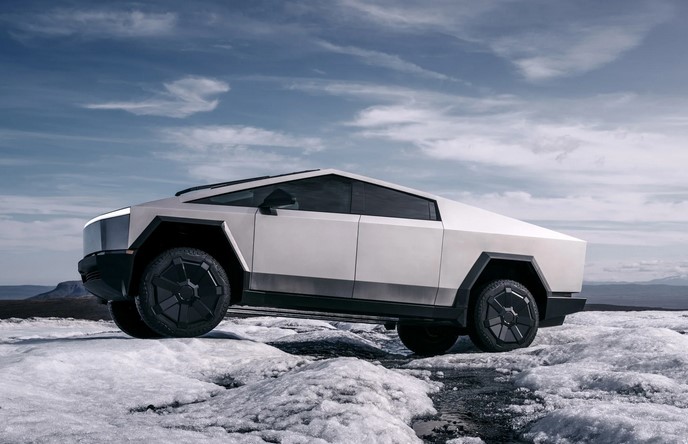
When discussing futuristic electric pickups, one name instantly comes to mind: the Tesla Cybertruck. Understanding the Tesla Cybertruck specs is crucial not only for prospective buyers but also for observers of EV innovation, as this vehicle marries bold design with high performance and utility. This article introduces the truck’s major features, breaks down its performance capabilities, and examines the innovations that set it apart in the electric vehicle market.

1. Key Features and Design Innovations

One of the most striking aspects of the Cybertruck is its exoskeleton-like stainless-steel body, crafted from ultra-hard 30X cold-rolled stainless steel. This gives the vehicle both futuristic aesthetics and exceptional durability, making it highly resistant to dents, corrosion, and even some forms of impact. The angular, geometric design departs sharply from traditional pickup styling, emphasizing both utility and strength.

1.1 Adaptive Design and Interior Technology

Beneath the exterior, the Cybertruck incorporates adaptive air suspension with up to 12 inches of travel, allowing for adjustable ride height depending on load or terrain. In “Extract Mode,” the ground clearance can reach over 16 inches, making the truck suitable for off-road driving. Storage is also generous: the bed offers substantial cargo space, while the lockable frunk provides additional storage volume. The built-in tonneau cover further secures cargo and enhances the structural rigidity of the vehicle.

Inside, the Cybertruck mixes ruggedness with modern tech. There’s an 18.5-inch central touchscreen, a secondary rear touchscreen, and a minimalist cabin design that aligns with Tesla’s approach to intuitive controls. Power outlets in the cabin and bed allow the Cybertruck to function both as a mobile workshop and an emergency power source.

2. Performance and Powertrain Options

Performance is one of the defining traits of the Cybertruck. Tesla offers three main drivetrain configurations: single-motor rear-wheel drive, dual-motor all-wheel drive, and a high-performance tri-motor variant known as the “Cyberbeast.”

The single-motor model provides practical capability for everyday use, with a respectable 0–60 mph acceleration time suitable for light hauling and commuting. The dual-motor AWD version significantly increases power output and torque, allowing stronger towing performance and faster acceleration.

At the top tier, the Cyberbeast configuration delivers astonishing performance numbers. With power outputs well above 800 horsepower, it accelerates from 0–60 mph in a supercar-like timeframe, making it one of the fastest pickup trucks ever built. Despite its size and weight, the tri-motor setup maintains stability thanks to precise torque vectoring and Tesla’s refined traction control systems.

The Cybertruck also benefits from efficient battery architecture. Using Tesla’s structural battery pack and 4680 cells, it achieves strong range performance across all variants. Fast charging capability via Tesla’s NACS connector allows high-speed replenishment, reducing downtime during long-distance travel.

3. Utility, Towing, and Practical Innovations

Utility is central to the Cybertruck’s value. Regardless of the powertrain chosen, it offers a maximum towing capacity of around 11,000 pounds, putting it on par with or exceeding many traditional gasoline-powered trucks. Its payload capacity is equally impressive, making it well-suited for work environments, outdoor adventures, and equipment-heavy tasks.

The composite bed includes tie-down points, power outlets, and an integrated tonneau cover that can support significant weight. Tesla also integrates vehicle-to-load capability, enabling users to power tools, appliances, or even portions of their homes during outages.

Off-road performance is strengthened by the adaptive suspension, generous ground clearance, and durable stainless-steel construction. Combined with robust underbody protection and the instant torque characteristic of electric motors, the Cybertruck handles demanding terrain with confidence.

Tesla’s software ecosystem further enhances usability. Over-the-air updates ensure that performance, safety systems, and convenience features continually improve long after purchase. Autopilot and Full Self-Driving capabilities integrate advanced driver assistance, making long drives more manageable and adding a layer of safety to daily use.

In summary, the Tesla Cybertruck specs reveal a uniquely engineered vehicle that blends strength, power, and futuristic innovation in a single package. From its durable exoskeleton to its high-performance motor options and practical towing capabilities, the Cybertruck redefines what an electric truck can be. With advanced technology, adaptable utility, and ongoing software enhancements, it represents a bold leap toward the future of automotive design. Understanding these specifications helps drivers and enthusiasts better appreciate why the Cybertruck stands out as a groundbreaking development in the evolving EV landscape, and why the world continues to anticipate its impact based on the remarkable depth of the Tesla Cybertruck specs.

Source:https://www.dixonpilot.com

Winter roads often present significant challenges for drivers, especially when snow, ice, or freezing rain reduces traction and increases stopping distances. Understanding How to brake safely in slippery conditions is essential for preventing accidents during colder months. This article introduces the fundamental principles of braking on low-traction surfaces, explores the technology that helps maintain vehicle control, and offers practical techniques to enhance winter driving safety.

1. The Science Behind Slippery Road Conditions

Driving on slippery surfaces requires more than just caution—it demands an understanding of how reduced friction affects a vehicle’s response. When snow or ice covers the road, the tire’s ability to grip the surface decreases dramatically. This reduced traction makes it easier for wheels to lock up or slide, especially when the driver brakes suddenly or applies excessive force.

1.1 Why Traction Matters

Traction is the friction between your tires and the road. On dry pavement, this friction is high enough to allow quick acceleration, sharp steering, and effective braking. However, winter surfaces reduce friction significantly:

  • Snow: Moderate reduction in traction; can still allow controlled movement if speed is managed properly.
  • Ice: Extremely low friction; even small inputs can cause sliding.
  • Wet ice or black ice: Nearly frictionless, making braking control exceptionally challenging.

When traction decreases, braking force must also be reduced. Applying heavy pressure on the brake pedal can overwhelm the available friction, causing the wheels to lock or the vehicle to skid.

2. Techniques for Safe Braking in Winter Weather

Professional driving instructors consistently emphasize that safe winter braking begins with anticipation and smooth driving habits. Proper technique makes a significant difference in how well a vehicle responds on slippery roads.

Anticipate and Increase Following Distance

Doubling or even tripling your normal following distance gives you more time to react. Because stopping distance can increase by four to ten times on ice, maintaining space is critical. This allows drivers to brake gradually instead of making sudden movements that may cause loss of control.

3. Understanding Braking Systems and Winter Safety

Modern vehicles incorporate advanced braking technologies designed to assist drivers in maintaining control, even in slippery conditions. However, understanding how these systems operate ensures you use them effectively.

Anti-Lock Braking System (ABS)

ABS prevents wheel lock-up during hard braking, allowing the driver to maintain steering control. When ABS activates, you may feel rapid pulsations in the pedal—this is normal. The system works by automatically applying and releasing brake pressure multiple times per second. To use ABS correctly, apply firm, continuous pressure on the brake pedal and allow the system to manage traction.

However, ABS is not magic. It helps maintain control, but it cannot overcome the limitations of icy roads. Your stopping distance may still be long, so careful speed management remains necessary.

Electronic Stability Control (ESC)

ESC detects when a vehicle begins to skid and automatically applies brake force to specific wheels to help maintain control. This system is especially helpful when braking through curves or on uneven winter surfaces. ESC works best when the driver applies gentle inputs and avoids sudden steering movements.

Downshifting and Engine Braking

In extremely slippery conditions, relying partially on engine braking can help slow the vehicle without overwhelming tire traction. By shifting to a lower gear, the engine creates resistance, assisting in reducing speed gradually. This technique works particularly well on downhill winter roads, where excessive brake pressure could lead to a slide.

Mastering winter safety begins with understanding how road conditions affect traction, how vehicle systems support stability, and how driver behavior can minimize risk. Learning How to brake safely in slippery conditions helps reduce the likelihood of skidding, sliding, or losing control during winter weather. With the right techniques—such as maintaining distance, braking smoothly, and letting technology like ABS and ESC assist—you can navigate snowy and icy roads more confidently. By applying these principles consistently each winter season, drivers remain better equipped to respond to unexpected hazards and arrive safely at every destination while understanding exactly How to brake safely in slippery conditions.

Source:https://img.bjyyb.net

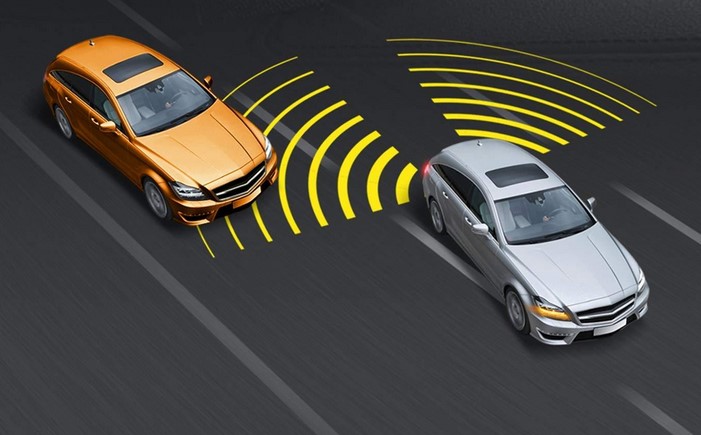
Lane assist technology has become one of the most widely implemented driver-assistance systems in modern vehicles, helping reduce collisions caused by drifting or unintentional lane changes. Many drivers still ask, “How do lane assist systems work?” because the technology operates seamlessly in the background, often without noticeable intervention. This article introduces the core concepts behind lane assist features, explains the technology behind them, and highlights why they have become a critical step toward fully autonomous driving.

1. The Core Components Behind Lane Assist Technology

Lane assist systems rely on a combination of sensors, software, and vehicle controls that work together to detect lane markings and guide the vehicle. Although different manufacturers may apply variations of the technology, the essential components remain consistent across most modern models.

1.1 Camera Systems and Sensors

The backbone of any lane assist system is its forward-facing camera, typically mounted near the rear-view mirror. This high-resolution camera continuously captures visual data from the road ahead. Advanced image-processing algorithms analyze this footage in real time to identify lane markings, road edges, and relative vehicle position.

In addition to cameras, some vehicles incorporate supplementary sensors such as radar or LiDAR. These technologies enhance detection capabilities in scenarios where painted lane markings are faded, obstructed, or in low-visibility conditions like rain or fog. Radar, for example, can help distinguish road boundaries when visual cues are compromised, while LiDAR offers precise 3D mapping of the environment.

Together, these tools create a robust perception system that informs the car’s onboard computer of its position relative to lane boundaries.

2. The Real-Time Processing That Helps Maintain Lane Position

The true sophistication of lane assist comes from the software responsible for interpreting the sensor data. Using artificial intelligence, machine learning models, and predictive algorithms, the system evaluates how the vehicle is moving and determines whether an intervention is required.

Predicting Vehicle Trajectory

Lane assist systems analyze data beyond what the camera sees. They incorporate steering angle, vehicle speed, yaw rate, and directional stability to calculate the car’s projected path. If this predicted trajectory shows that the vehicle may drift out of its lane unintentionally, the system prepares to intervene.

Modern systems are also capable of differentiating between intentional and unintentional lane changes. For example, if the driver activates the turn signal, the car suppresses lane assist warnings or steering corrections. This helps avoid unnecessary alerts and supports more natural driving behavior.

3. How the Vehicle Intervenes to Keep Drivers Safe

There are generally two types of lane assist functions: Lane Departure Warning (LDW) and Lane Keeping Assist (LKA). Many vehicles combine both, offering a layered approach to safety.

Lane Departure Warning (LDW)

LDW provides audible, visual, or haptic warnings when the system detects that the vehicle is drifting out of its lane. These alerts encourage the driver to take corrective action. Vibrations in the steering wheel or seat are common implementations, helping maintain awareness without overwhelming the driver.

Lane Keeping Assist (LKA)

LKA goes a step further by actively adjusting the steering to guide the vehicle back into its lane. When unintentional drift is detected, the system applies gentle, automatic steering corrections. These adjustments are designed to be subtle, ensuring that the driver maintains full control while still receiving support. Advanced versions of LKA can even provide continuous assistance on well-marked highways, offering smoother steering inputs and minimizing lane-swerving behaviors.

Lane assist technology represents a vital advancement in vehicle safety, combining intelligent sensors, real-time data processing, and corrective steering mechanisms to reduce collision risks caused by drifting or distracted driving. Understanding “How do lane assist systems work?” helps drivers appreciate the sophisticated engineering that enhances road safety. As the automotive industry moves closer to fully autonomous vehicles, lane assist remains a foundational feature that supports both driver confidence and overall driving stability. With ongoing advancements, this technology will continue to evolve, offering even more precise support and contributing to a future where roads are safer for everyone.