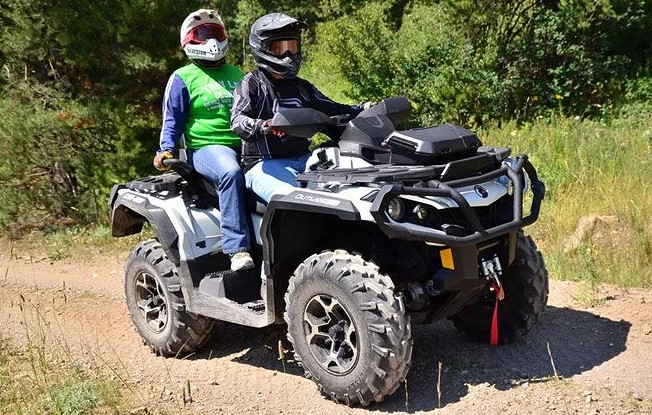
Selecting the right off-road machine can be challenging, especially with the wide range of models, features, and purposes available today. This All-terrain vehicle guide is designed to help prospective buyers understand what an ATV is, how different types serve different needs, and what factors truly matter when making a purchase. Whether the goal is recreation, utility work, or outdoor exploration, choosing the right ATV ensures safety, performance, and long-term satisfaction.
Understanding ATVs and Their Core Functions
An all-terrain vehicle (ATV) is a motorized off-road vehicle designed to handle a variety of landscapes, including dirt trails, sand, mud, snow, and rocky terrain. Typically equipped with four low-pressure tires, ATVs provide enhanced traction and stability in environments where traditional vehicles cannot operate effectively. They are commonly used for recreation, agriculture, forestry, hunting, and property maintenance.
ATVs vary significantly in size, engine capacity, and design. Engine displacement usually ranges from under 100cc for youth models to over 1000cc for high-performance or heavy-duty machines. Smaller ATVs are easier to maneuver and ideal for beginners, while larger engines provide greater towing capacity and power for demanding tasks.
Another key distinction lies in drivetrain configurations. Some ATVs use two-wheel drive, which is lighter and more fuel-efficient, while others feature selectable or full-time four-wheel drive for enhanced control in slippery or uneven conditions. Suspension systems, braking technology, and tire design also play crucial roles in determining how an ATV performs across different terrains.
Understanding these fundamentals is essential before narrowing down choices, as the wrong configuration can lead to poor performance or unnecessary expenses.
Matching ATV Types to Specific Use Cases
The most important step in choosing an ATV is identifying how it will be used. ATVs are generally categorized into three main types: utility, sport, and recreational hybrids. Each category is designed with a specific purpose in mind, and selecting the wrong type can limit functionality.
Utility ATVs are built for work. They often feature strong frames, large engines, cargo racks, and towing capabilities. Farmers, landowners, and maintenance crews rely on utility ATVs to transport tools, haul materials, and navigate large properties efficiently. These models prioritize durability and torque over speed.
Sport ATVs focus on performance and agility. They are lighter, faster, and designed for trail riding, racing, or recreational use. Sport models typically have manual transmissions and responsive suspension systems that appeal to experienced riders who value control and excitement.
Recreational or hybrid ATVs combine features from both categories. They offer moderate power, comfort, and versatility, making them suitable for families or individuals who want an ATV for both light work and leisure riding.
Key Factors to Consider Before Buying
Before making a final decision, buyers should evaluate several practical factors. Rider experience is critical; beginners benefit from automatic transmissions and lower engine power, while experienced riders may prefer manual control and higher performance. Terrain type is another consideration, as muddy or mountainous environments require stronger suspension and four-wheel drive.
Physical size and comfort also matter. Seat height, handlebar position, and overall ergonomics should match the rider’s body type to reduce fatigue and improve control. Additionally, maintenance requirements and parts availability should not be overlooked, as regular servicing ensures longevity and safety.
Safety, Maintenance, and Long-Term Value
Safety should always be a priority when selecting and operating an ATV. Modern ATVs often include safety features such as speed limiters, engine braking systems, and improved stability designs. However, rider responsibility remains essential. Wearing protective gear, including helmets, gloves, and boots, significantly reduces the risk of injury.
Maintenance plays a vital role in preserving ATV performance and value. Routine checks of oil levels, tire pressure, brakes, and suspension components help prevent mechanical failures. Utility ATVs used for heavy work may require more frequent servicing due to increased strain on components.
From a financial perspective, buyers should consider not only the purchase price but also long-term costs. Fuel efficiency, maintenance frequency, insurance, and resale value all contribute to the total cost of ownership. Investing in a reliable brand with a strong dealer network can provide better support and higher resale potential.
As technology advances, newer ATVs are also incorporating electronic fuel injection, digital displays, and improved emissions control, making them more efficient and environmentally responsible. These innovations enhance usability while maintaining rugged performance.
Choosing the right ATV requires a clear understanding of personal needs, terrain conditions, and long-term expectations. By evaluating engine size, vehicle type, safety features, and maintenance demands, buyers can make informed decisions that align with their intended use. This All-terrain vehicle guide highlights the importance of matching functionality with purpose, ensuring that the selected ATV delivers reliability, performance, and enjoyment for years to come.