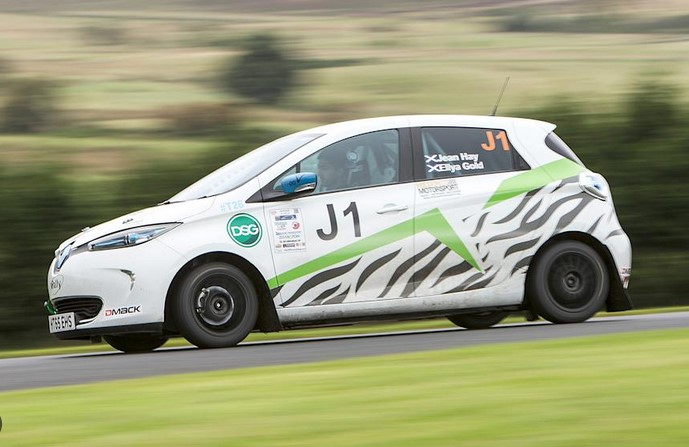
Rally racing represents one of the most demanding forms of motorsport, combining high speeds with unpredictable terrain and constantly changing conditions. From gravel and snow to mud and tarmac, rally vehicles must deliver power, durability, and precision in equal measure. The term Top rally cars refers to machines engineered to thrive in these extreme environments, blending advanced engineering with agile handling. This article explores what makes a rally car exceptional, the characteristics that define the best performers, and how modern rally vehicles continue to push the boundaries of off-road speed and control.
What Defines a High-Performance Rally Car
A rally car is fundamentally different from traditional road or circuit-racing vehicles. While speed is important, adaptability and reliability are equally critical. Rally stages often take place on narrow, uneven roads where drivers must react instantly to surface changes and obstacles. As a result, rally cars are designed with a unique balance of power, traction, and structural strength.
One of the defining features of a rally car is its drivetrain. Most competitive rally vehicles utilize all-wheel drive systems, which distribute power to all four wheels for maximum traction. This setup allows the car to maintain grip on loose surfaces such as gravel or snow, where two-wheel drive vehicles would struggle. The ability to accelerate efficiently out of corners and maintain stability at high speeds is essential for rally success.
Suspension systems also play a vital role. Rally suspensions are engineered with longer travel than standard road cars, allowing wheels to remain in contact with uneven surfaces. Reinforced components absorb shocks from jumps, ruts, and rocks, ensuring the vehicle remains controllable and durable throughout long stages.
Additionally, rally cars are built with lightweight yet rigid chassis designs. Weight reduction improves agility and acceleration, while reinforced frames protect occupants and mechanical systems. Safety features such as roll cages, racing seats, and harnesses are integral, reflecting the challenging conditions in which these vehicles operate.
Key Characteristics That Enable Off-Road Speed and Agility
Rally cars must combine speed with precision handling to remain competitive. This requires careful integration of multiple systems working in harmony.
Engine performance is a major factor. Modern rally engines are typically turbocharged, delivering strong torque across a wide range of engine speeds. This ensures rapid acceleration, even on uphill or loose surfaces. However, raw power alone is not enough. Throttle response and power delivery must be predictable, allowing drivers to modulate speed precisely when navigating tight corners or technical sections.
Tire selection is another crucial element. Rally tires are specifically designed for different surfaces, including gravel, snow, and wet tarmac. The right tire choice can dramatically influence grip and braking performance. Teams often adjust tire compounds and tread patterns between stages to adapt to changing conditions, highlighting the strategic complexity of rally racing.
Aerodynamics and Vehicle Control
While rally cars do not rely on extreme aerodynamic downforce like circuit racers, aerodynamics still play an important role. Front splitters, rear wings, and underbody designs help stabilize the car at high speeds and during jumps. These elements improve directional stability without compromising ground clearance, which is essential for off-road terrain.
Vehicle control systems, such as advanced differentials and electronic driver aids, further enhance agility. Adjustable center differentials allow teams to fine-tune how power is distributed between the front and rear wheels. This adaptability improves cornering performance and traction depending on surface conditions. Although regulations limit electronic assistance, mechanical innovations continue to evolve, giving drivers better control and confidence.
Evolution of Rally Cars and Their Impact on Performance
Rally cars have undergone significant evolution over the decades, driven by advancements in technology and changes in competition regulations. Early rally vehicles were often modified production cars, emphasizing durability over outright performance. Today’s rally machines are purpose-built, incorporating cutting-edge materials and engineering techniques.
The introduction of lightweight composites, such as carbon fiber, has improved strength-to-weight ratios. Enhanced data analysis and telemetry allow teams to optimize vehicle setups with remarkable precision. Suspension geometry, engine mapping, and differential settings can be adjusted to suit specific stages, maximizing performance while minimizing mechanical stress.
Environmental considerations are also shaping the future of rally cars. Hybrid powertrains and alternative fuels are being introduced to reduce emissions without sacrificing performance. These innovations demonstrate that rally racing continues to be a testing ground for technologies that may later influence consumer vehicles.
Beyond competition, rally cars have had a lasting impact on automotive design. Features such as all-wheel drive systems, turbocharged engines, and advanced safety structures were refined in rally environments before becoming mainstream. This connection between motorsport and everyday vehicles underscores the importance of rally racing as a driver of innovation.
Rally racing demands vehicles that can conquer extreme terrain while maintaining exceptional speed and agility. The Top rally cars are defined not just by horsepower, but by their ability to adapt, endure, and perform under relentless conditions. Through advanced drivetrains, robust suspension systems, precise control mechanisms, and continuous technological evolution, these vehicles represent the pinnacle of off-road performance engineering. As rally competition continues to evolve, the pursuit of speed, agility, and reliability ensures that Top rally cars remain a benchmark for innovation in motorsport and beyond.