Muscle cars are the epitome of American automotive culture, known for their raw power, aggressive styling, and unforgettable sound. For decades, the debate has raged: classic vs. modern muscle cars, which era truly reigns supreme? While classic muscle cars are revered for their nostalgia and the golden era of performance, modern muscle cars have seen technological advancements that elevate performance, handling, and comfort to levels unimaginable in the past. So, how do these two eras stack up against each other? In this article, we’ll take a deep dive into both the classic and modern muscle car eras, examining their performance, design, and overall driving experience.
The Golden Age of Muscle Cars: Classic Muscle
The term “muscle car” was coined in the early 1960s, a time when automakers like Chevrolet, Ford, and Dodge began producing affordable cars equipped with large, high-performance engines. These vehicles, built with straight-line speed and power in mind, captured the attention of young enthusiasts and quickly became a symbol of American automotive freedom.
1. Performance and Power
Classic muscle cars were all about brute force. A typical muscle car from the 1960s or early 1970s featured a massive V8 engine that could produce anywhere from 300 to 500 horsepower, depending on the make and model. These cars were built for speed, designed to dominate drag strips and American highways alike. Popular models like the Chevrolet Camaro, Ford Mustang, and Dodge Charger were known for their powerful engines, large displacement, and high torque output, allowing them to launch off the line with incredible speed.
However, despite their power, these cars were often not built with refined handling in mind. Their suspension systems were rudimentary compared to modern standards, which meant they could be tricky to drive at high speeds, especially on winding roads. Nevertheless, they were well-suited for straight-line acceleration, which is why they dominated drag racing in the 1960s and 1970s.
2. Design and Aesthetics
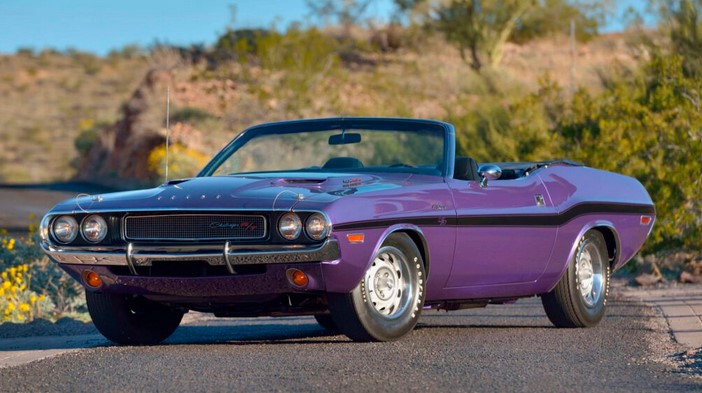
The design of classic muscle cars is iconic, characterized by aggressive lines, wide stances, and often loud, bold color schemes. Muscle cars of the past had larger-than-life personalities, with chrome bumpers, hood scoops, and bold racing stripes defining their look. The sheer size and presence of a classic muscle car on the road were enough to turn heads and command attention.
Inside, classic muscle cars were often more focused on performance than luxury. Many cars had simple interiors with basic controls, large steering wheels, and minimal comfort features. However, this simplicity added to the overall raw appeal and driving experience, allowing drivers to connect with their car in a more visceral way.
3. Driving Experience
The driving experience in a classic muscle car is undeniably thrilling. The sound of a roaring V8 engine is a symphony for many enthusiasts, and the feeling of power surging through the pedals as the car accelerates is exhilarating. However, the lack of modern amenities like power steering, advanced braking systems, and modern suspension means that driving these vehicles can be less forgiving and more physically demanding. Classic muscle cars are often described as “loud” and “untamed,” providing an experience that is raw, unpolished, and full of character.
The Modern Era of Muscle Cars: Performance Meets Technology
Modern muscle cars have evolved significantly from their classic predecessors. Today’s muscle cars maintain the essence of power, performance, and style, but have been refined and enhanced with modern technology, offering better handling, safety, and comfort. Brands like Dodge, Ford, and Chevrolet continue to push the envelope, creating muscle cars that are faster, more efficient, and better equipped for the demands of today’s roadways.
1. Performance and Power
Modern muscle cars have made enormous strides in terms of performance. While classic muscle cars typically featured naturally aspirated engines with large displacements, modern muscle cars are now equipped with forced induction systems, including turbochargers and superchargers, which increase power without sacrificing efficiency. For example, the Dodge Challenger Hellcat boasts over 700 horsepower from a supercharged 6.2-liter V8, while the Ford Mustang Shelby GT500 delivers a similar output from its supercharged 5.2-liter V8. These cars offer acceleration times that are well under four seconds, a far cry from the sub-six-second times of many classic muscle cars.
Modern muscle cars also benefit from improved handling, thanks to advanced suspension systems, electronic stability control, and better tires. Cars like the Chevrolet Camaro ZL1 are not only fast in a straight line but are also capable of impressive cornering, making them well-rounded machines for both performance enthusiasts and weekend racers.
2. Design and Aesthetics
While modern muscle cars still retain the aggressive styling that made their classic counterparts so popular, they have evolved to incorporate more aerodynamic and streamlined designs. These vehicles feature more refined lines, sleeker profiles, and advanced lighting technology, such as LED headlights and taillights, giving them a more contemporary look. The muscular stance and wide-body designs remain, but the overall look is more sophisticated and polished.
Inside, modern muscle cars offer a much more refined experience. Leather seating, digital displays, and advanced infotainment systems make these cars more comfortable and functional for everyday driving. Features like advanced climate control, connectivity with smartphones, and premium sound systems are now standard, making the driving experience more enjoyable without sacrificing performance.
3. Driving Experience
The driving experience in modern muscle cars is far more refined than their classic counterparts. The introduction of power steering, precision brakes, and electronic driving aids ensures that modern muscle cars are much easier to handle and more stable at high speeds. While the raw feeling of a classic muscle car may be missed, the improved comfort and control offered by modern muscle cars make them far more practical for daily use.
Moreover, modern muscle cars come equipped with cutting-edge technologies, such as adaptive cruise control, lane-keeping assistance, and even track modes, which allow drivers to optimize their car’s performance for specific driving conditions. This makes modern muscle cars more versatile and suitable for a wider range of driving environments.
Classic vs. Modern Muscle Cars: Which Reigns Supreme?
The debate over classic vs. modern muscle cars ultimately comes down to personal preference and the type of driving experience you’re seeking. Classic muscle cars offer a sense of nostalgia and raw power, giving drivers an unrefined, visceral connection to their vehicles. The driving experience in a classic muscle car is often more challenging and rewarding in a primal way, with the roar of the engine and the tactile feel of the wheel making every ride an adventure.
On the other hand, modern muscle cars provide cutting-edge performance, superior handling, and advanced technologies that make them more practical and enjoyable for daily driving. The performance improvements are undeniable, with faster acceleration, better fuel efficiency, and more control on the road. Furthermore, modern muscle cars provide a higher level of comfort and safety, making them a more well-rounded option for those who want performance without sacrificing modern conveniences.
Ultimately, both eras have their merits, and the choice between classic and modern muscle cars depends on what you value more in a driving experience. Classic muscle cars remain beloved for their history, style, and raw power, while modern muscle cars deliver an unmatched combination of performance, technology, and refinement. Whether you prefer the old-school thrill of a classic or the sophistication of modern engineering, one thing is certain: muscle cars, in any form, continue to be a symbol of American automotive excellence.