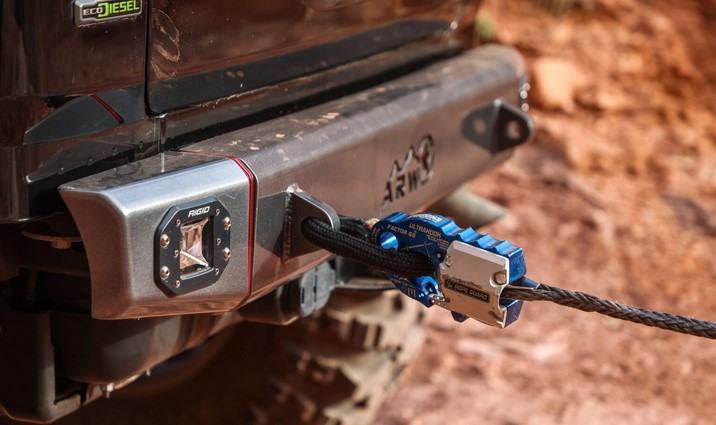
Understanding the Importance of Proper Vehicle Recovery
Getting a vehicle stuck in mud, sand, snow, or rocky terrain is a common challenge for off-road drivers, outdoor adventurers, and even everyday motorists in difficult weather conditions. In such situations, a winch becomes one of the most valuable recovery tools available. However, simply having a winch is not enough. Knowing the correct Winch recovery techniques is essential to ensure both safety and effectiveness when attempting to pull a stuck vehicle free.
Improper use of a winch can cause serious damage to the vehicle, the recovery equipment, or even lead to injuries for the people involved. Winch cables are under tremendous tension during operation, and mistakes such as poor anchor selection, incorrect cable angles, or lack of safety precautions can quickly turn a recovery attempt into a dangerous situation.
For off-road enthusiasts, rescue teams, and drivers who frequently travel through remote areas, understanding the fundamentals of safe winching can make the difference between a smooth recovery and a costly accident. Learning proper techniques ensures that the force applied by the winch is controlled, efficient, and directed in the safest possible manner.
In addition to safety, proper winching also protects the environment. Reckless recovery attempts can damage vegetation, tree roots, and soil structures. Responsible drivers use recovery methods that minimize environmental impact while successfully extracting the stuck vehicle.
Essential Equipment for Safe Winch Recovery
Before performing a recovery operation, it is important to ensure that all necessary equipment is available and in good condition. A winch alone cannot guarantee a safe recovery; it must be used alongside several supporting tools.
Key Tools That Improve Recovery Safety
1. Winch Cable or Synthetic Rope
The primary component of any winch system is the cable or synthetic rope. Steel cables are durable and resistant to abrasion, while synthetic ropes are lighter and safer if they break because they store less kinetic energy.
2. Recovery Straps and Tree Savers
Tree saver straps are used when anchoring to a tree. These wide straps distribute the load across a larger area, preventing damage to the tree and providing a secure attachment point.
3. D-Shackles or Soft Shackles
These connectors link straps, cables, and recovery points together. High-quality shackles ensure that the recovery system remains secure under heavy loads.
4. Snatch Blocks
A snatch block is a pulley system that can change the direction of the pull or double the pulling power of the winch. This tool is particularly useful when recovering heavy vehicles or when the vehicle is deeply stuck.
5. Winch Dampener or Blanket
A winch dampener is placed over the cable during operation. If the cable snaps, the dampener helps absorb energy and prevents the cable from whipping dangerously.
6. Heavy-Duty Gloves
Handling steel cables or synthetic ropes without gloves can cause injuries. Gloves protect the hands while guiding the cable and attaching equipment.
Using the proper recovery equipment significantly reduces the risk of accidents and ensures that the winch operates within safe limits.
Step-by-Step Winch Recovery Process
Executing a safe winch recovery requires careful planning and a systematic approach. Rushing the process often leads to mistakes that could damage equipment or cause injury.
1. Assess the Situation Carefully
Before using the winch, evaluate why the vehicle is stuck. Determine whether it is trapped in mud, sand, snow, or rocks. Also assess the depth of the obstacle and the angle of the terrain. This information helps determine the most effective recovery direction.
2. Choose a Strong Anchor Point
The anchor point must be stable enough to withstand the pulling force of the winch. Common anchor points include large trees, heavy rocks, or another vehicle. If using a tree, always attach a tree saver strap to protect the bark and provide a secure hold.
3. Prepare the Winch Line
Pull the winch cable slowly toward the anchor point while wearing gloves. Ensure the cable remains straight and free of knots or kinks. Attach the cable securely using a shackle or hook.
4. Place a Winch Dampener on the Cable
A dampener should be placed at the midpoint of the cable to reduce the risk of injury if the cable fails.
5. Clear the Recovery Area
All bystanders should stand at a safe distance from the cable path. No one should stand directly in line with the winch cable or near the anchor point during operation.
6. Begin Winching Slowly
Operate the winch slowly and steadily while maintaining communication with the driver of the stuck vehicle. The driver should gently apply throttle when necessary to assist the recovery.
7. Monitor Cable Tension
Watch the cable closely to ensure it remains properly aligned on the drum and does not shift dangerously. If any equipment appears unstable, stop immediately and reassess.
8. Complete the Recovery and Repack the Cable
Once the vehicle is free, carefully disconnect the equipment and rewind the cable evenly onto the winch drum to prevent tangling or damage.
Common Mistakes to Avoid During Winch Recovery
Even experienced drivers can make mistakes during recovery operations. Being aware of common errors helps prevent accidents and equipment failure.
Using Weak Anchor Points
Attaching the winch to small trees, unstable rocks, or poorly secured objects can cause the anchor to break loose under pressure.
Standing Too Close to the Cable
One of the most dangerous mistakes is standing near a tensioned winch line. If the cable snaps, it can whip with tremendous force.
Overloading the Winch
Every winch has a rated capacity. Attempting to pull a vehicle that exceeds this capacity can damage the winch motor or break the cable.
Ignoring Cable Maintenance
Winch cables should be inspected regularly for fraying, rust, or broken strands. Damaged cables should be replaced immediately.
Improper Cable Spooling
If the cable is not wound evenly on the drum after use, it may jam during the next recovery attempt.
Vehicle recovery using a winch is a valuable skill for off-road drivers and anyone who frequently travels through challenging terrain. A successful recovery depends not only on having the right equipment but also on understanding safe procedures and maintaining proper awareness of potential hazards. By preparing the correct tools, choosing secure anchor points, and following a systematic recovery process, drivers can safely free a stuck vehicle while minimizing risks to people and equipment. Mastering effective Winch recovery techniques ensures that drivers remain prepared, confident, and safe whenever they encounter difficult road conditions.