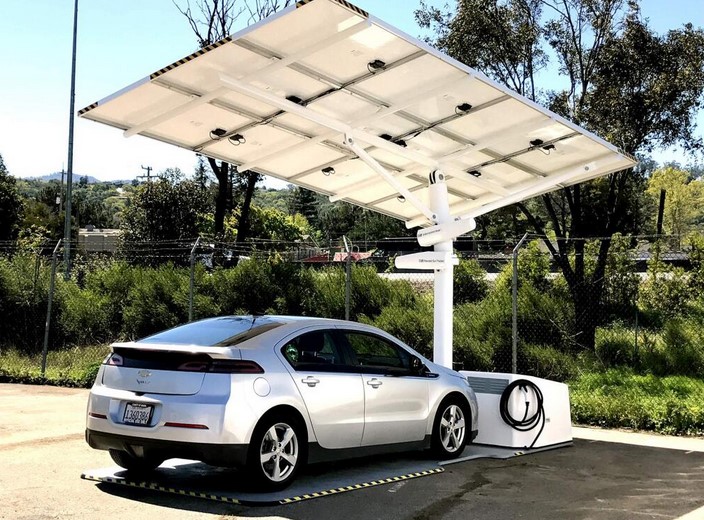
As the world moves towards more sustainable transportation solutions, solar-powered EVs are emerging as a game-changer in the automotive industry. Combining the environmental benefits of electric vehicles (EVs) with the renewable energy of solar power, these vehicles offer a future where cars can charge themselves, reducing dependence on charging stations and fossil fuels. While still in the early stages of development, solar-powered EVs have the potential to revolutionize the way we think about driving, energy consumption, and sustainability. In this article, we will explore how these vehicles work, the benefits they offer, and the challenges they face on their path to becoming a mainstream reality.
How Solar-Powered EVs Work
Integrating Solar Technology with Electric Vehicles
At the core of solar-powered EVs is the use of photovoltaic (PV) cells, or solar panels, that convert sunlight into electricity. These solar panels are installed on the roof, hood, or other surfaces of the vehicle, and they capture sunlight as the car moves or is parked in the sun. The electricity generated by the panels is then used to charge the car’s battery, either supplementing the energy from an external source or entirely powering the vehicle in some cases.
The size and efficiency of the solar panels play a crucial role in determining how much energy can be generated. Currently, the amount of solar power generated by these panels is not enough to completely replace traditional charging methods for most EVs, especially for long-range driving. However, it can significantly extend the range of the vehicle, reduce the need for frequent recharging, and lower the overall carbon footprint of the car.
In addition to the solar panels, solar-powered EVs are typically equipped with energy management systems that optimize the use of solar energy. These systems ensure that the energy produced is stored efficiently in the battery, and they can also direct excess energy back into the vehicle’s powertrain when needed. Some systems allow for the energy to be stored for later use, while others enable vehicles to share energy with the grid, creating potential for bi-directional energy flows.
Key Components of Solar-Powered EVs
- Photovoltaic Panels: These are the primary components responsible for converting sunlight into electrical energy. The efficiency of these panels is continually improving, with manufacturers using advanced materials and designs to maximize energy capture.
- Battery Storage: The electricity generated by the solar panels is stored in the car’s battery. This storage system allows for the vehicle to operate even when sunlight is not directly available, such as at night or during cloudy days.
- Energy Management Systems: These systems ensure that energy generated by the solar panels is used effectively. They manage the flow of electricity to the battery, the vehicle’s motor, and other components to ensure optimal performance and energy efficiency.
- Electric Motor: Like conventional EVs, solar-powered vehicles use an electric motor powered by the battery to drive the wheels. The solar energy helps reduce the need for external charging, making these vehicles more self-sufficient.
Advantages of Solar-Powered EVs
Reducing Carbon Footprint and Dependence on Fossil Fuels
One of the most significant benefits of solar-powered EVs is their potential to reduce carbon emissions. Unlike conventional gasoline or diesel-powered vehicles, solar-powered EVs produce zero tailpipe emissions, helping to combat air pollution and mitigate climate change. The integration of solar technology means that the vehicle can partially or fully rely on renewable energy, which further decreases the environmental impact of the vehicle.
By using solar energy to charge the vehicle, these EVs reduce the overall demand for electricity from non-renewable sources. This shift towards renewable energy for transportation could significantly lower the carbon footprint of the entire automotive sector, which is currently one of the largest contributors to global greenhouse gas emissions.
Cost Savings and Energy Independence
Solar-powered EVs also have the potential to reduce the long-term operating costs of owning a vehicle. With solar panels generating free energy from the sun, owners can save money on electricity costs associated with recharging their EVs. In regions with ample sunlight, this could result in significant savings over time, especially as energy prices continue to fluctuate.
Moreover, solar-powered EVs provide a level of energy independence. Unlike traditional EVs that rely on charging stations, solar-powered vehicles can generate their own energy, allowing for more flexibility in where and when the vehicle is charged. This is particularly beneficial in remote or rural areas where charging infrastructure may be lacking. In the future, solar-powered EVs could also be used to help power homes or other electric systems, creating a more integrated energy ecosystem.
Long-Term Sustainability and Innovation
The development of solar-powered EVs represents a major step forward in the quest for sustainable, clean energy solutions. As solar panel efficiency improves, we can expect these vehicles to become increasingly viable for everyday use. Innovations in battery technology, energy storage, and solar panel materials are all contributing to making solar-powered EVs more practical and accessible. The potential for solar-powered EVs to evolve into a widespread transportation solution is exciting, with the possibility of reshaping urban mobility and reducing the environmental impact of personal transportation.
Challenges Facing Solar-Powered EVs
Limited Solar Energy Capture
Currently, the biggest challenge for solar-powered EVs is the limited amount of energy that can be captured by the solar panels installed on the vehicle. Most solar-powered vehicles on the market today can generate only a small portion of the energy needed for long drives. For instance, the average solar panel installed on an EV might provide enough power to add 10 to 15 miles of range per day under ideal conditions, which is not sufficient for most drivers’ daily needs.
This means that solar-powered EVs still require access to traditional charging infrastructure for longer trips or extended driving distances. However, as solar technology advances, future vehicles may be able to generate more electricity, reducing their dependence on external charging sources.
High Production Costs
Solar-powered EVs also face higher production costs compared to traditional electric vehicles. The technology involved in integrating solar panels, advanced energy storage systems, and energy management systems into a vehicle adds to the overall cost of manufacturing. As a result, these vehicles tend to be more expensive, which may limit their accessibility to a broader range of consumers.
However, as demand for clean energy solutions grows and manufacturing processes become more efficient, it’s likely that the cost of solar-powered EVs will decrease over time, making them more affordable for the average consumer.
Weather and Geographic Limitations
Another challenge facing solar-powered EVs is their reliance on sunlight to generate electricity. In regions with limited sunlight, such as areas with long winters or frequent cloud cover, solar panels may not produce enough energy to make a significant impact on the vehicle’s overall range. In such cases, drivers may still need to rely on external charging sources to keep their vehicles running.
The rise of solar-powered EVs signals an exciting future for sustainable transportation. While these vehicles are still in their infancy, they hold the promise of reducing carbon emissions, lowering operating costs, and offering greater energy independence. As solar panel technology continues to improve and becomes more efficient, these vehicles will play an increasingly important role in the transition to a cleaner, greener future. Though challenges remain, such as limited solar energy capture and production costs, the potential for solar-powered EVs to revolutionize the way we drive and use energy is undeniable. With continued innovation and investment, solar-powered EVs could soon become a mainstream solution, bringing us one step closer to a world where transportation is fully powered by the sun.