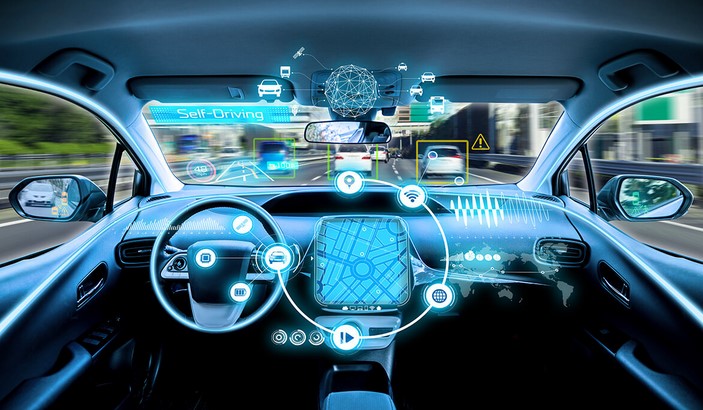
The advancements in automotive technology have revolutionized the way we drive, offering features that enhance both convenience and safety. One such feature gaining widespread popularity is adaptive cruise control. This system allows your car to automatically adjust its speed to maintain a safe distance from the vehicle ahead, significantly reducing the need for manual speed adjustments on highways and busy roads. If you’re considering a vehicle with this technology, it’s important to know which systems offer the best performance, reliability, and safety. In this article, we’ll explore the best adaptive cruise control systems available today, highlighting their features and how they contribute to safer, smarter driving.
Understanding Adaptive Cruise Control
How It Works
Adaptive cruise control (ACC) is an enhancement of traditional cruise control. Traditional cruise control allows you to set and maintain a constant speed, but adaptive systems go a step further by automatically adjusting your car’s speed to maintain a safe following distance from the vehicle in front of you. This is achieved using sensors, cameras, and radar to monitor the traffic ahead.
When the system detects a slower-moving car, it will reduce your vehicle’s speed to match the pace of the car in front. If traffic clears, the system will gradually accelerate back to the set speed. Some systems even offer a “stop-and-go” feature, allowing the car to come to a complete stop and resume driving without driver intervention. These systems are especially useful in heavy traffic or on long highway drives, reducing the fatigue that often comes with constant speed and distance adjustments.
Key Features of the Best Systems
The best adaptive cruise control systems offer more than just speed adjustment—they also focus on enhancing the overall driving experience. Key features of top-tier systems include:
- Stop-and-Go Functionality: This allows the system to bring the vehicle to a full stop and then resume driving when traffic moves again, which is particularly helpful in stop-and-go traffic situations.
- Lane-Centering Assistance: Some advanced ACC systems are integrated with lane-keeping assistance, which can subtly steer the vehicle to stay within its lane. This adds an extra layer of safety, especially on long drives.
- Multiple Adjustable Distances: Top systems allow drivers to select their desired following distance, giving them more control over how much space they maintain between their car and the one in front.
- Speed Sign Recognition: Many modern systems can detect speed limit signs and automatically adjust the car’s speed to match local regulations, ensuring the vehicle stays compliant with traffic laws.
Top Adaptive Cruise Control Systems
1. Tesla Autopilot
Tesla’s Autopilot system is perhaps the most advanced adaptive cruise control system currently available. It combines adaptive cruise control with enhanced features such as automatic lane centering and autopark. Autopilot uses an array of cameras, ultrasonic sensors, and radar to monitor the car’s surroundings and adjust its speed accordingly. Tesla’s system even allows for full hands-free driving in certain situations, although the company advises drivers to remain alert and ready to take control at any moment.
Key Advantages:
- Capable of handling complex traffic conditions, including stop-and-go scenarios.
- Regular software updates improve functionality over time.
- Can be integrated with Tesla’s Full Self-Driving (FSD) package for even more advanced features.
2. Audi Adaptive Cruise Control with Traffic Jam Pilot
Audi’s Adaptive Cruise Control (ACC) with Traffic Jam Pilot is one of the most sophisticated systems on the market. It can handle both highway driving and low-speed scenarios, making it highly effective in traffic jams. Audi’s system integrates with its lane-keeping assist feature to provide a smoother driving experience. In addition to maintaining speed and distance, it can also assist with steering, offering semi-autonomous driving in certain conditions.
Key Advantages:
- Smooth integration with lane-keeping and steering features.
- Can operate in both high-speed and low-speed traffic.
- Includes a “traffic jam” mode that makes daily commuting much less stressful.
3. Mercedes-Benz DISTRONIC Plus
Mercedes-Benz has been a leader in developing advanced driver-assistance systems, and their DISTRONIC Plus system is no exception. This system uses radar sensors to monitor the vehicle’s surroundings and adjust speed based on traffic conditions. It also integrates with Active Steering Assist, which can help the vehicle steer within its lane on highways. DISTRONIC Plus also includes a feature that can bring the car to a full stop and restart in traffic, making it perfect for city driving and congested highways.
Key Advantages:
- Strong integration with Active Steering Assist for improved lane-keeping.
- Can bring the car to a complete stop and resume automatically in traffic.
- Highly effective in both stop-and-go and highway conditions.
4. BMW Active Driving Assistant
BMW’s Active Driving Assistant includes adaptive cruise control as part of its comprehensive suite of driver-assistance features. This system provides excellent performance in both highway driving and heavy traffic. The BMW system also includes additional features such as forward collision warning and automatic emergency braking, which work alongside ACC to provide a safer driving experience. The system can maintain a set speed, adjust for traffic, and even apply the brakes when necessary.
Key Advantages:
- Excellent integration with other safety features like forward collision warning and automatic braking.
- Smooth and intuitive user interface for controlling the ACC settings.
- Offers both highway and city driving capabilities.
Benefits of Adaptive Cruise Control
Reduced Driver Fatigue
One of the biggest advantages of adaptive cruise control is its ability to reduce driver fatigue. Long drives, especially on highways, can be tiring when constantly adjusting the speed to match traffic. With ACC, the system does most of the work, allowing drivers to relax and focus on other aspects of the road, such as navigation or weather conditions.
Increased Safety
The best adaptive cruise control systems are designed to improve safety by helping drivers maintain a safe following distance and avoid rear-end collisions. Additionally, many systems integrate with other safety features, such as automatic emergency braking, to provide a comprehensive safety net. By using radar and cameras to detect potential hazards, ACC helps drivers respond more quickly to changes in traffic conditions.
Fuel Efficiency
By maintaining a consistent speed and reducing the need for sudden braking and acceleration, ACC can improve a vehicle’s fuel efficiency. This is especially noticeable on long highway drives, where the system can optimize speed to keep the engine running at its most efficient level.
When searching for the best adaptive cruise control, it’s important to consider both the functionality and the level of integration with other driver-assistance features. Leading systems like Tesla Autopilot, Audi’s Traffic Jam Pilot, and Mercedes-Benz’s DISTRONIC Plus offer advanced capabilities that make driving not only more convenient but also safer. These systems reduce driver fatigue, improve safety, and even contribute to better fuel efficiency. Whether you’re looking for a simple system to make your daily commute easier or a more advanced system for semi-autonomous driving, the latest ACC technologies can greatly enhance your driving experience.