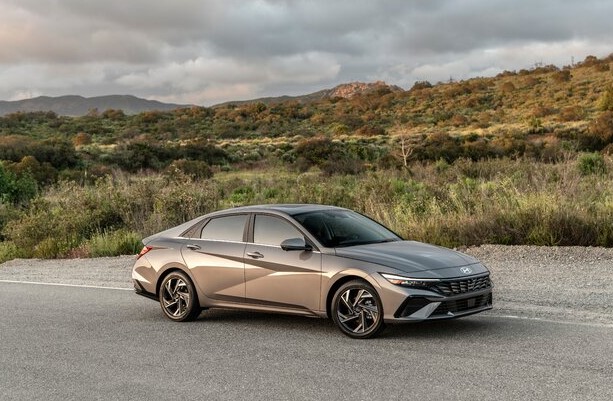
The national average for a gallon of regular gasoline recently crossed the $4 mark. If you are driving an older, thirstier vehicle that averages around 20 to 25 miles per gallon (MPG), every trip to the pump feels like a mild financial mugging. I frequently hear from drivers who are tired of watching their hard-earned money evaporate into a fuel tank, asking a simple question: “How do I buy a car that stops the bleeding without burying me under a massive monthly loan payment?”

In my ten-plus years as an automotive writer and hands-on mechanic, I’ve seen the “economy car” segment undergo a massive transformation. It wasn’t long ago that choosing a budget vehicle meant driving a noisy, plastic box with hand-crank windows and the structural integrity of a soda can.

The best economy cars are no longer rolling penalties for being budget-conscious. Instead, they are highly advanced, remarkably safe, and incredibly fuel-efficient machines. Let’s pull back the curtain on the top affordable models that deliver maximum miles for minimum money.

The Efficiency Equation: A Simple Analogy

To understand why modern economy cars are so good at stretching a gallon of gas, it helps to use a simple analogy.

Think of a traditional, heavy vehicle like a professional powerlifter. It has massive muscle (a large engine) and can pull heavy loads, but it requires a staggering amount of food (fuel) just to maintain its baseline weight. A modern economy car is like a marathon runner. It sheds every ounce of unnecessary weight from its chassis, uses an aerodynamic shape to slice through the air, and optimizes its breathing via advanced valve timing to extract every bit of energy from a single drop of fuel.

[Powerlifter Drivetrain] ──► Heavy Chassis + Large Displacements ──► High Fuel Burn
[Marathon Drivetrain]    ──► Lightweight Alloy + Thermal Efficiency ──► High Fuel Economy

By prioritizing thermal efficiency—the measure of how much energy an engine actually converts into movement instead of wasting as heat—modern commuter cars achieve mileage numbers that were mathematically impossible two decades ago.

1. Toyota Prius: The Undisputed Efficiency Superstar

You cannot discuss the best economy cars without addressing the king of the hypermiling subculture. The Prius isn’t just an appliance anymore; its latest iteration pairs jaw-dropping efficiency with sleek, modern styling.

The Technical Data

The Prius utilizes a highly refined 2.0-liter four-cylinder engine paired with an electric motor to generate an exceptional EPA-estimated 57 combined MPG on its base front-wheel-drive trim.

  • The Drive: Unlike its sluggish ancestors, the modern Prius has peppy acceleration and low-slung handling that hugs the pavement beautifully. The transition between the gasoline engine and the electric motor is completely seamless.

  • The Caveat: The aggressively sloped, aerodynamic roofline pinches rear passenger headroom. If you frequently transport tall adults in the back seat, the cabin will feel tight.

2. Hyundai Elantra Hybrid: The Value Champion

Hyundai has been quietly stealing market share from traditional segment leaders by bundling premium tech features into incredibly affordable packages.

The Technical Data

The Elantra Hybrid scores an exceptional 54 combined MPG and recently secured the top spot for value in the compact hybrid class. It pairs a 1.6-liter four-cylinder engine with a snappy six-speed dual-clutch transmission, completely avoiding the rubber-band drone typical of standard Continuously Variable Transmissions (CVTs).

1.6L Engine + 6-Speed Dual-Clutch ──► Crisp Shifts + 54 Combined MPG
  • The Drive: Because it uses a traditional geared transmission instead of a CVT, the Elantra Hybrid feels like a normal gasoline car to drive. It accelerates predictably and features a J.D. Power reliability rating of 86 out of 100.

  • The Caveat: The interior plastics on the lower door panels and lower dash feel noticeably hard and budget-oriented to help keep the entry price low.

3. Honda Civic Hybrid: The Driver’s Economy Choice

If you want to save money at the pump but refuse to give up a fun, engaging driving experience, Honda has engineered the perfect compromise.

The Technical Data

Returning with a vengeance to the lineup, the Civic Hybrid features a dual-motor hybrid system paired with a 2.0-liter engine. While official EPA numbers hover around the 50 MPG mark, it delivers a punchy 200 horsepower, making it the fastest non-Type R Civic in the fleet.

  • The Drive: Honda’s engineering team knows how to tune a chassis. The steering is sharp, the suspension dampens road imperfections without feeling floaty, and it offers up to 24.5 cubic feet of cargo room if you opt for the versatile hatchback body style.

  • The Caveat: It carries a higher starting MSRP than its Korean competitors, meaning it takes a bit longer to recoup the upfront premium through fuel savings.

4. Nissan Versa: The Pure Budget Pure-Play

What if you don’t want a complex hybrid battery pack? What if you just want the lowest possible monthly car payment on a brand-new vehicle? The Nissan Versa is the answer.

The Technical Data

As one of the sole remaining new vehicles with a starting price under $20,000, the Versa is a masterclass in basic transportation. Powered by a simple, naturally aspirated 1.6-liter four-cylinder engine, it achieves a very respectable 35 combined MPG (40 MPG highway).

  • The Drive: It is a gentle, unhurried city commuter. It won’t win any drag races with its 122 horsepower, but it comes standard with automatic emergency braking and a surprisingly quiet highway ride.

  • The Caveat: It uses a traditional cabin layout and a basic infotainment setup. If you are looking for digital flashiness, you won’t find it here.

Head-to-Head Comparison: Top Economy Contenders

Model Drivetrain Type Combined EPA MPG Starting Price Category Best For
Toyota Prius Gas-Electric Hybrid 57 MPG Mid-Range Premium Maximum fuel savings, futuristic styling
Hyundai Elantra Hybrid Gas-Electric Hybrid 54 MPG Entry-Level Value Long warranties, high reliability scores
Honda Civic Hybrid Gas-Electric Hybrid 50 MPG Mid-Range Premium Commuters who still love to drive
Nissan Versa Pure Gasoline (ICE) 35 MPG Ultra-Budget Lowest upfront cost, simple maintenance

Expert Advice & Hidden Warnings

⚠️ The Hidden Warning (The Payback Period Trap): Beginners often buy an expensive hybrid version of a car assuming they are saving money instantly. However, you must calculate the payback period. If a hybrid variant costs $4,000 more than the pure-gasoline version, and you only drive 5,000 miles a year, it could take you nearly eight years of driving just to break even on the fuel savings. Audit your annual mileage before upgrading to a hybrid powertrain!

💡 Pro Tip (The Direct-Injection Maintenance Rule): Many modern fuel-efficient engines use GDI (Gasoline Direct Injection) to squeeze more power out of less fuel. Because fuel no longer washes over the intake valves in these engines, carbon buildup can accumulate over time, robbing you of efficiency. To prevent this, always use “Top Tier” detergent gasoline and schedule an intake valve cleaning every 50,000 miles to keep your MPG numbers pristine.

The Verdict: Slicing Your Commuting Costs

Finding the right economy car isn’t about buying the cheapest vehicle on the lot—it’s about matching the engineering to your daily commute.

  • Choose the Nissan Versa if your primary goal is keeping your upfront purchase price and insurance premiums as low as humanly possible.

  • Choose the Hyundai Elantra Hybrid or Toyota Prius if you are a rideshare driver or have a brutal, daily stop-and-go city commute where hybrid regenerative braking can cut your fuel bill in half.

  • Choose the Honda Civic Hybrid if you want a reliable, upscale cabin that makes a 40-mile highway commute genuinely enjoyable.

Let’s Talk Economics

The days of the boring, sluggish economy appliance are officially over. You can protect your bank account from volatile oil prices without sacrificing safety or connectivity.

Are you looking to stick with a traditional, simple gasoline engine, or are you ready to let a high-efficiency hybrid system handle your daily commute? Drop your current daily mileage and budget goals in the comments below, and let’s map out your smartest financial move!
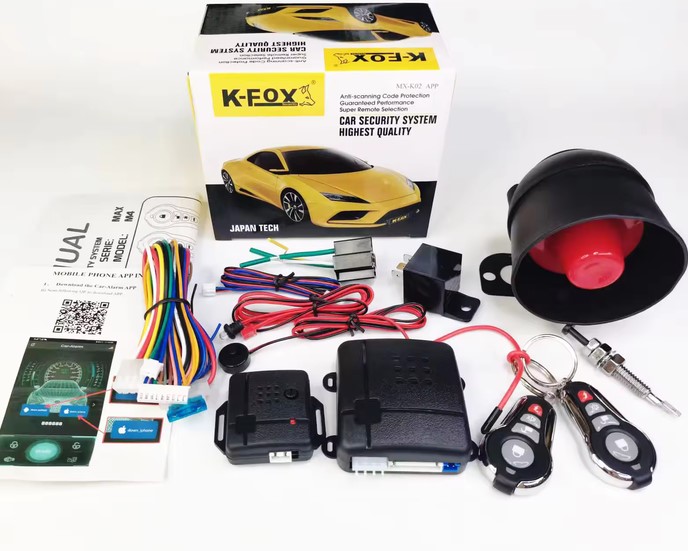
Source:https://s.alicdn.com

Outside your front door, two thieves approach your driveway holding a small signal-relay amplifier. Within forty seconds, they capture the wireless frequency of your key fob resting on your kitchen counter, unlock your car door, press the start button, and roll silently into the night. Your factory horn never sounds, your neighbors never wake up, and by sunrise, your pride and joy is already stripped for parts or parked inside a shipping container.

In my ten-plus years as an automotive electrician, shop supervisor, and vehicle security specialist, I have inspected thousands of vehicle break-ins and theft attempts. Traditional factory alarms—the ones that merely honk the horn when a door handle is pulled—are practically obsolete against modern tech-savvy thieves.

This is where smart car alarms with mobile apps change the game. By pairing two-way 4G LTE telematics, real-time GPS tracking, and digital starter kill relays directly to your smartphone, these systems give you complete authority over your vehicle from anywhere on the planet.

If you want to protect your vehicle with modern technology, this deep-dive guide breaks down how mobile-connected security works, what features matter most, and the best options on the market today.

How Smart Car Alarms with Mobile Apps Work (The Telematics Breakdown)

To understand why a smartphone-connected security system is vastly superior to a standard key-fob alarm, we need to look at how information travels from your vehicle to your pocket.

The Loud Dog vs. Personal Guard Analogy

Think of a traditional car alarm like a barking dog locked in a basement—it makes plenty of noise, but if you are at a movie theater, asleep in a high-rise apartment, or half a mile away, you will never hear it.

A smart car alarm with mobile apps acts like a 24/7 personal security guard standing next to your vehicle equipped with a direct radio link to your wrist. The moment a window shatters, a bumper gets bumped, or the engine cranks without your permission, your guard instantly taps you on the shoulder via a push notification.

+-------------------------------------------------------------------------+
|                SMART CAR ALARM TELEMATICS ARCHITECTURE                  |
+-------------------+--------------------+--------------------------------+
| Vehicle Sensors   | Onboard Control    | Cloud & Mobile Connectivity    |
+-------------------+--------------------+--------------------------------+
| • Glass Breaker   | Main Alarm ECU     | 4G LTE Cellular Module         |
| • Tilt/Tow Sensor |        │           |        │                       |
| • CAN-Bus Triggers|        ▼           |        ▼                       |
| • Shock/Vibration | Starter Kill Relay | Encrypted Cloud Server         |
|                   | & Siren Output     |        │                       |
|                   |                    |        ▼                       |
|                   |                    | Smartphone App Alert (Push/SMS)|
+-------------------+--------------------+--------------------------------+

The Role of 4G LTE Telematics and CAN-Bus

Modern systems connect directly to your vehicle’s Controller Area Network (CAN-Bus), which serves as the digital highway for all onboard microcontrollers. When paired with a 4G LTE cellular module, the alarm communicates bi-directionally.

This means you aren’t just sending commands (like locking doors or starting the engine remotely); the car is actively sending real-time telemetry back to your phone, including battery voltage, interior temperature, and diagnostic fault alerts.

Must-Have Features in Modern Mobile Car Security

When shopping for smart car alarms with mobile apps, do not fall for generic budget gadgets that lack essential security protocols. Look for these non-negotiable features:

1. Instant Push Notifications & Geofencing

Traditional alarms rely on radio frequencies that reach only 500 to 1,500 feet. LTE-based smart alarms offer unlimited range. Whether you are sitting at your office desk or vacationing across the globe, you receive instant alerts for:

  • Impact & Glass Breakage: Triggers from parking lot bumps or break-ins.

  • Tilt & Towing: Detects when a tow truck lifts your vehicle or thieves jack it up to steal the catalytic converter.

  • Geofence Violations: Sends a notification the moment your car crosses a pre-set virtual geographical boundary.

2. Remote Ignition Immobilization (Starter Kill)

If a thief manages to bypass your ignition lock, a top-tier smart alarm system enables you to trigger a remote starter kill directly through your mobile app. Once engaged, the system interrupts the starter circuit or fuel pump relay, ensuring the engine cannot be restarted once turned off.

3. Real-Time GPS Tracking & Live Breadcrumbs

If the worst happens and your car is towed away on a flatbed, integrated GPS tracking allows you to broadcast your vehicle’s exact latitude, longitude, speed, and heading directly to law enforcement in real time.

The Best Smart Car Alarms with Mobile Apps Evaluated

Having wired and programmed dozens of security packages in the bay, three standout telematics brands dominate the aftermarket scene.

1. Compustar DroneMobile (CSX / X1-LTE Series)

Compustar’s DroneMobile system is widely regarded by automotive technicians as the gold standard for smartphone-integrated remote start and security.

  • Why It Leads: Exceptional app stability, lightning-fast 4G LTE response times, and seamless integration with Compustar’s hardwired shock and tilt sensors.

  • Standout App Feature: Interactive driver monitoring, live battery health tracking, and custom geofencing schedules.

  • Best For: Drivers who want an ultra-reliable, professional-grade security suite with remote engine start capabilities.

2. Viper SmartStart Pro (DS4 / VSM550)

Viper is one of the most recognized names in vehicle security, and their SmartStart Pro telematics hardware lives up to the reputation.

  • Why It Leads: The VSM550 module utilizes hardware-optimized cellular channels to deliver near-instantaneous command execution (unlocking or arming in under a second).

  • Standout App Feature: Multi-vehicle management within a single dashboard, Wear OS/Apple Watch widget compatibility, and integrated roadside assistance dispatch.

  • Best For: Enthusiasts looking for ultra-fast reaction times and smartwatch integration.

3. CarLock (Plug-and-Play OBD-II Telematics)

If you aren’t ready to pay for professional installation or cut into your vehicle’s wiring harness, CarLock offers a simplified, DIY-friendly alternative.

  • Why It Leads: Plugs directly into your car’s OBD-II diagnostic port under the dashboard in less than two minutes.

  • Standout App Feature: Loud, harsh alarm notifications that override your phone’s silent mode during intrusion attempts.

  • Best For: Beginners, leased vehicle owners, or budget-conscious drivers wanting immediate GPS tracking and crash detection without permanent modifications.

Comparison of Top Smart Alarm Systems

+------------------------------------------------------------------------------------------------+
|                            SMART CAR ALARM SYSTEM COMPARISON                                   |
+---------------------+-------------------------+-----------------------+------------------------+
| Feature / System    | Compustar DroneMobile   | Viper SmartStart Pro  | CarLock OBD-II         |
+---------------------+-------------------------+-----------------------+------------------------+
| Connection Type     | Hardwired Telematics    | Hardwired Telematics  | Plug & Play (OBD-II)   |
| Primary Network     | 4G LTE / GPS            | 4G LTE / GPS          | 4G LTE / GPS           |
| Installation        | Professional Recommended| Professional Required | 100% DIY               |
| Starter Kill Option | Yes (Via Alarm ECU)     | Yes (Via DS4 System)  | Requires extra relay   |
| Sensor Integration  | Dual-Stage Shock/Tilt   | Digital Shock/Tilt    | Accelerometer-based    |
| Subscription Needed | Yes (Monthly/Annual)    | Yes (Monthly/Annual)  | Yes (Monthly/Annual)   |
+---------------------+-------------------------+-----------------------+------------------------+

Expert Advice: Pro Tips & Hidden Warnings

Installing security electronics requires sharp attention to detail. Here are two critical lessons I’ve learned from years inside the bay:

💡 Pro Tip: Insist on Stealth Wiring & Hidden Antenna Placement

A smart car alarm is only as good as its stealth. If a technician zip-ties the main cellular brain directly under the driver’s dash where the wiring loom is visible, a prepared thief can rip out the main fuse in five seconds.

Always demand a stealth installation: the control module should be buried deep behind the center console or instrument cluster, wrapped in factory-style black Tesa cloth tape so it blends indistinguishably into the original wiring harness.

⚠️ Factor In Subscription Costs & Battery Draw

Cellular-enabled smart car alarms with mobile apps require an active data plan to send alerts to your phone. Expect to pay a small monthly or annual service fee (typically $3 to $9 per month) to maintain the LTE connection.

Additionally, because telematics modules remain connected to cell towers 24/7, they draw a tiny continuous current from your 12V battery. If you leave your car parked at an airport for more than three weeks without driving, make sure your car battery is in healthy condition or connect a trickle charger to prevent a dead battery.

Final Verdict: Taking Control of Your Vehicle’s Safety

Upgrading to one of the best smart car alarms with mobile apps shifts the advantage back to you. Rather than relying on outdated horn honks that everyone ignores, telematics technology gives you real-time visibility, precise GPS tracking, and instant remote control right in the palm of your hand.

For total peace of mind, pair a hardwired system like Compustar DroneMobile or Viper SmartStart with professional stealth installation to keep your vehicle locked down tight.

Has your vehicle ever been targeted by thieves, or are you looking to upgrade from a basic factory key fob? Let me know your vehicle’s make and model in the comments below, and I’ll help you pick the right security setup!