Source:https://media.wired.com

Imagine sinking into a heated, massaging leather seat after an exhausting nine-hour day of corporate meetings. You merge onto the gridlocked highway, pull two paddles on your steering wheel, and completely let go. You don’t just take your hands off the wheel; you turn your head, open your laptop, and start answering emails while your sedan effortlessly navigates the stop-and-go chaos at 40 MPH. The car is legally driving itself, and you are officially off the clock.

This isn’t a scene from a science fiction film—it is the reality of driving a modern luxury flagship in 2026.

Over my ten years as an automotive specialist and test driver, I’ve watched active driver assistance evolve from primitive, nervous lane-keep systems into ultra-smooth, artificial intelligence-driven co-pilots. But navigating this market is a minefield of marketing buzzwords. Automakers love to throw around words like “autonomous,” “autopilot,” and “self-driving,” but very few vehicles can actually let you take your eyes off the road.

If you are looking to buy one of the best luxury cars with self-driving features, you need to know exactly what you are paying for. Let’s pull back the curtain on the top autonomous vehicles leading the premium market today.

Decoding the Autonomy Scale: A Simple Analogy

To understand why some luxury cars drive better than others, you must understand the SAE Levels of Driving Automation (ranging from Level 0 to Level 5). Let’s use a simple analogy:

  • Level 2 (Partial Automation): Think of this like a highly trained service dog. It will keep you in your lane and pace the car ahead, but it requires you to hold the leash at all times. If you look away, it will bark (or beep) loudly. You are still legally responsible.

  • Level 3 (Conditional Automation): This is like an experienced chauffeur. Under specific conditions (like highway traffic jams), the car takes full legal liability for the driving task. You can read a book or watch a movie on the dashboard screen, provided you can take over if the chauffeur taps you on the shoulder.

[Level 2: Hands-Free / Eyes-On] ───► Requires Constant Human Supervision
[Level 3: Hands-Off / Eyes-Off]  ───► Car Takes Legal Liability (Conditional)

1. Mercedes-Benz S-Class & EQS: The Certified Perfectionists

When it comes to true, legal, “eyes-off-the-road” autonomy, Mercedes-Benz is currently wearing the crown.

The Tech: DRIVE PILOT (SAE Level 3)

Mercedes-Benz made automotive history by being the first manufacturer to achieve certified SAE Level 3 autonomy for the consumer market. Utilizing a complex array of over 35 sensors—including LiDAR (Light Detection and Ranging), optical cameras, long-range radar, and moisture sensors in the wheel wells—their DRIVE PILOT system takes complete control of the vehicle.

In approved geofenced areas (such as specific multi-lane highways in California, Nevada, and Germany) during heavy traffic at speeds up to 40 MPH (and up to 60 MPH/95 km/h on the German Autobahn), the car allows you to engage in secondary activities on the central MBUX Hyperscreen. You can watch a movie or browse the web legally.

  • The Vibe: Absolute serenity. The system drives with a conservative, human-like smoothness that minimizes abrupt braking.

  • The Catch: It requires clear daytime weather, no construction zones, and a driver-facing camera tracking your face to ensure you haven’t fallen asleep.

2. Tesla Model S & Model X: The Ambitious Innovators

You cannot talk about autonomous tech without mentioning the brand that brought the concept to the mainstream.

The Tech: Full Self-Driving (Supervised) v14 (SAE Level 2)

Despite its ambitious name, Tesla’s Full Self-Driving (FSD) system remains a Level 2 technology. However, what it lacks in legal “eyes-off” certification, it makes up for in sheer geographical versatility. While Mercedes is locked to specific highways, Tesla’s AI-driven system can navigate complex urban environments, handle roundabouts, execute unprotected left turns, and obey traffic signals right outside your driveway.

Tesla’s engineering philosophy relies strictly on Tesla Vision—a camera-only approach that completely ditches LiDAR and radar, mimicking how human eyes process the road.

  • The Vibe: Cutting-edge but demanding. Watching a Model S smoothly navigate a chaotic inner-city intersection via over-the-air software updates is mind-blowing.

  • The Catch: It requires constant, unyielding human supervision. The cabin camera will immediately penalize you if your eyes wander from the road for more than a few seconds.

3. Cadillac Escalade & Celestiq: The Highway Cruising Kings

General Motors has quietly built one of the most stable, relaxing hands-free highway driving systems on the planet.

The Tech: Super Cruise (SAE Level 2+)

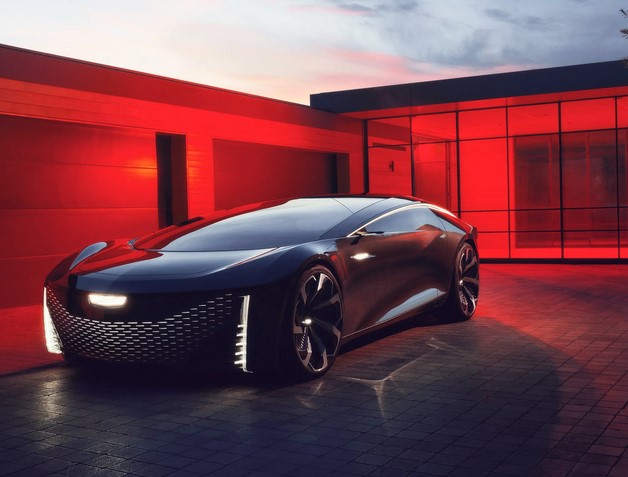
Available on luxury heavyweights like the Cadillac Escalade and the ultra-exclusive Celestiq sedan, Super Cruise allows for true hands-free driving across more than 400,000 miles of mapped highways in North America.

Instead of reacting to the road purely in real-time, Super Cruise pairs its on-board cameras and radars with precision LiDAR-scanned high-definition maps. Because the car already knows the exact curvature and elevation changes of the highway miles before you arrive, the steering inputs are incredibly precise and stable.

  • The Vibe: The ultimate road-tripper. It features an automated lane-change function; simply tap your turn signal, and the vehicle will autonomously check its blind spots and slide into the next lane.

  • The Catch: If the highway hasn’t been pre-mapped by GM’s fleet, the system will not engage.

4. BMW 7 Series & iX: The Intelligent Companions

BMW approaches autonomous luxury with a heavy focus on driver confidence and high-speed highway stability.

The Tech: BMW Highway Assistant (SAE Level 2+)

Part of the Active Driving Assistance Professional package, BMW’s Highway Assistant allows for hands-free driving on compatible freeways at speeds up to 85 MPH.

What sets BMW apart is its intuitive driver-monitoring integration. Instead of forcing you to nudge the steering wheel to prove you are awake, an infrared camera built into the digital dashboard tracks your eyes. If you want to initiate an automated lane change, you don’t even have to use the turn signal stalk—you simply look at the corresponding side-view mirror, and the car executes the pass.

Side-by-Side Comparison: Autonomous Luxury Titans

Luxury Vehicle Model Self-Driving System Autonomy Level Sensor Strategy Standout Feature
Mercedes-Benz S-Class / EQS DRIVE PILOT Level 3 (Conditional) LiDAR, Radar, Cameras, Ultrasonics Legal “Eyes-Off” entertainment access
Tesla Model S / Model X FSD (Supervised) v14 Level 2 (Hands-Free) Pure Vision (Cameras Only) Navigates unmapped urban city streets
Cadillac Escalade Super Cruise Level 2+ (Hands-Free) HD Mapping, Radar, Cameras Ultra-stable pre-mapped highway tracking
BMW 7 Series / iX Highway Assistant Level 2+ (Hands-Free) Radar, Cameras, Eye-Tracking Eye-gaze activated lane changes

Pro Tips & Hidden Warnings

⚠️ The Hidden Warning (The Liability Trap): Always remember that if a car is classified as Level 2, you are the driver, and you are legally liable for any accidents. If the system miscalculates a construction barrier, your insurance company handles the claim. Only with Mercedes’ Level 3 Drive Pilot does the manufacturer assume legal liability when the system is actively engaged.

💡 Pro Tip (The Sensor Cleanliness Rule): Autonomous luxury cars are essentially rolling supercomputers covered in glass eyes. In winter or heavy rain, road grime, salt, and mud will blind your LiDAR and camera sensors, causes the self-driving features to abruptly disengage. Keep a microfiber cloth in your glovebox to wipe down the sensors before long trips!

The Verdict: Which System Fits Your Luxury Lifestyle?

Choosing the right autonomous luxury vehicle depends entirely on where and how you spend your time behind the wheel:

  • Choose Mercedes-Benz if you suffer through horrific, daily stop-and-go highway commutes and want to completely reclaim that time to work or relax legally.

  • Choose Tesla if you live in a technological bubble, love software updates, and want a vehicle that attempts to handle local urban driving.

  • Choose Cadillac or BMW if you are a highway road-tripper who wants a flawless, rock-solid hands-free cruising experience at high speeds.

Let’s Connect

The gap between driving a machine and riding with an intelligent partner is closing faster than ever.

Are you ready to trust a vehicle enough to take your eyes off the road, or do you prefer keeping your hands firmly on the wheel? Drop your thoughts, or tell me which luxury system you are eyeing, in the comments below!
Source:https://cdn1.wionews.com

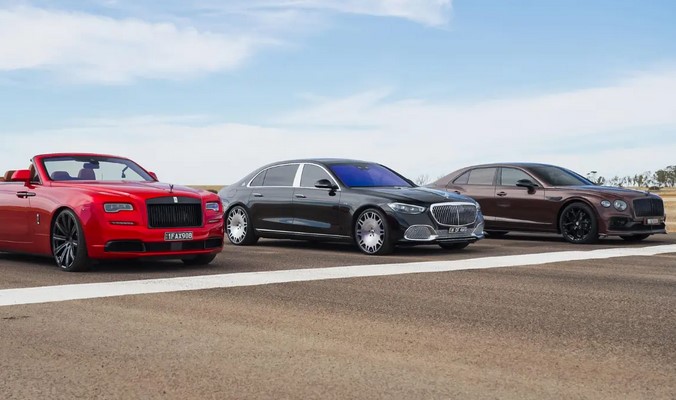
Park a $400,000 automobile on a crowded city street, and something fascinating happens to the human psyche. People do not just look; they stare, they whisper, and they instantly make assumptions about who is sitting behind the tinted glass. But while a passerby might group all ultra-luxury vehicles into the same billionaire category, anyone who has ever held the keys knows that the world’s two most prestigious badges are polar opposites.

During my decade testing ultra-premium machinery and walking the immaculate factory floors of Crewe and Goodwood, I have learned that this rivalry is not about leather quality or paint depth—both are flawless. Instead, a Rolls-Royce vs Bentley comparison is a clash of two entirely different automotive philosophies. One is a rolling sanctuary designed to isolate you from the harsh realities of the earth; the other is a high-performance rocket engineered to make you fall in love with the asphalt all over again.

If you are trying to understand what separates these two pinnacle British titans, let us pull back the velvet curtain and look at how they truly compare.

The Philosophical Divide: To Be Driven vs To Drive

To grasp the difference between these two marques, imagine the contrast between a world-class luxury yacht and a high-speed racing cigarette boat. Both represent peak wealth, but they serve completely different moods.

The Rolls-Royce Experience: Absolute Isolation

Rolls-Royce builds vehicles around a concept they call the Magic Carpet Ride. The engineering goal is simple: eliminate the outside world. When you sit in the back of a flagship Phantom or a Ghost, you are experiencing an engineering philosophy that treats acceleration, road imperfections, and engine noise as vulgar intrusions.

The cars use an advanced Planar Suspension System paired with stereo cameras that actively scan the road ahead, pre-configuring the suspension dampers to swallow potholes before your tire even touches them. Acceleration is not violent; it is an effortless, linear surge that automotive writers traditionally described simply as “adequate.”

The Bentley Experience: Effortless Grand Touring

Bentley takes a completely different path. Founded by W.O. Bentley—a man obsessed with endurance racing—the brand focuses on the art of the Grand Tourer (GT). A Bentley is a driver’s car.

When you start the high-performance hybrid V8 engine in a Continental GT or a Flying Spur, you are meant to hear the subtle, authoritative rumble of the exhaust. The chassis utilizes active anti-roll systems (like Bentley Dynamic Ride) and all-wheel steering to make a heavy, leather-lined machine handle corners with the sharp agility of a sports car.

Decoding the Cabin: Craftsmanship Under the Microscope

When you step inside either cabin, you are surrounded by materials that make ordinary luxury cars look like rental vehicles. However, the design language used by each brand targets an entirely different aesthetic.

The Rolls-Royce Architecture of Luxury

Stepping into a Rolls-Royce is like entering a high-end architectural monument or an exclusive private lounge. The lines are vertical, upright, and commanding.

  • Bespoke Elements: You will find the iconic Starlight Headliner, which uses thousands of tiny fiber-optic lights hand-woven into the leather ceiling to mimic the night sky.

  • The Gallery: Modern models feature a seamless glass track running across the dashboard, allowing owners to commission unique pieces of physical artwork to be sealed inside the dash.

  • The Touchpoints: Air vents are heavy, cold-to-the-touch chrome organ stops, and the floor carpets are made of deep-pile lambswool so thick that your shoes practically disappear into them.

The Bentley Sanctuary of Speed

Bentley cabins feel like a modern, high-tech cockpit mixed with an elite British sporting club. The design lines are swept back, emphasizing forward momentum.

  • The Rotating Display: At the press of a button, the center dashboard smoothly flips from a high-resolution touchscreen to reveal three beautiful analog dials, or a clean piece of matching wood veneer.

  • Three-Dimensional Leather: Bentley utilizes intricate diamond-in-diamond quilting patterns, and their latest models even offer three-dimensional diamond-molded wood and leather door panels.

  • The Intricacy: Knurled metal switchgear dominates the cabin, providing a mechanical, tactile click every time you adjust the volume or temperature.

Lineup Showdown: Comparing the Flagships

Feature / Segment Rolls-Royce Contender Bentley Contender The Core Difference
The Ultra-Sedan Phantom / Ghost Flying Spur Rolls-Royce prioritizes rear-seat wellness; Bentley delivers a 190 mph driver’s oasis.
The Definitive Grand Tourer Spectre (Electric Coupe) Continental GT Spectre offers silent, futuristic cruising; Continental GT delivers raw, athletic hybrid performance.
The Pinnacle SUV Cullinan Bentayga / Bentayga EWB Cullinan is an imposing, high-riding vault; Bentayga is a muscular, agile sports-SUV.

Expert Advice: The Hidden Realities of Ultra-Luxury Ownership

Pro Tip: Beware of the Technology Trap

For buyers entering the secondary or certified pre-owned market, pay close attention to the infotainment architecture. Because both brands belong to larger automotive groups (Rolls-Royce is owned by BMW; Bentley is owned by the Volkswagen Group), their digital systems are inherited from parent companies.

While a Bentley’s digital dashboard is incredibly slick and snappy, its heavy reliance on touchscreens can feel dated faster as tech evolves. Conversely, Rolls-Royce deliberately uses more physical controls and classic analog elements to prevent the cabin from looking like a giant smartphone. When choosing a model, consider whether you prefer cutting-edge digital connectivity or timeless mechanical longevity.

Which Sovereign Machine Belongs in Your Garage?

Ultimately, choosing between these two legendary marques comes down to how you want to experience your journey.

If your goal is to disappear into a silent, post-opulent sanctuary where a chauffeur manages the nuances of traffic while you relax on a plush lambswool rug, Rolls-Royce remains the absolute peak of human travel. It is a statement of ultimate arrival.

However, if you love the mechanical connection of a twin-turbocharged hybrid powertrain, the thrill of carving through a mountain pass, and the prestige of an exquisite handcrafted interior that you control yourself, Bentley is an unmatched masterpiece of grand touring.

If you had the keys to both sitting on your counter right now, which one would you take out for a weekend getaway? Would you rather relax in the back of a Starlight-equipped Ghost or take the wheel of a hybrid Continental GT? Let me know your pick in the comments below!

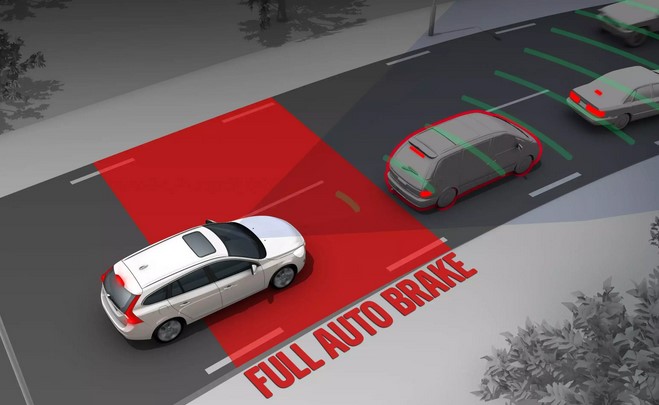
You are driving home after a grueling ten-hour workday. Your mind is wandering, calculating tomorrow’s to-do list, when the brake lights of the SUV ahead suddenly flare a bright, angry red. In the fraction of a second it takes your brain to register the danger and your foot to reach the pedal, an invisible force slams the brakes for you. Your seatbelt locks, the ABS chatters, and your car screeches to a halt just inches from a crumpled bumper.

During my decade inside automotive test facilities and repair bays, I have witnessed countless crumpled hoods caused by a single second of driver distraction. The statistics are staggering: front-to-rear crashes account for nearly a third of all police-reported accidents. Yet, vehicles equipped with advanced automatic emergency braking (AEB) reduce these rear-end collisions by roughly 50%. This technology is no longer a premium luxury gimmick; it is a critical co-pilot that bridges the gap between human error and physical reality.

If you are looking to buy a new vehicle or trying to understand the active safety features already built into your current ride, understanding how AEB operates can entirely change how you view road safety.

Demystifying the Brains Behind the Brakes: How AEB Works

To understand automatic emergency braking, think of it as a vigilant digital lookout paired with a hyper-reactive muscle. Instead of relying on a human eye, which can blink, look away, or get blinded by glare, the vehicle uses a network of high-tech hardware to map the world ahead.

Most modern setups rely on sensor fusion, a technical approach where different types of hardware work together to double-check each other’s data:

  • Forward-Facing Cameras: Mounted high up near your rearview mirror, these cameras actively analyze the shapes, lane markings, and brake lights ahead.

  • Radar Sensors: Hidden behind the front grille or bumper emblem, radar units emit radio waves that bounce off solid objects to calculate exact distances and closing speeds, regardless of heavy rain, fog, or darkness.

  • LiDAR (Light Detection and Ranging): Emerging on cutting-edge systems, these sensors use laser beams to create highly precise 3D maps of the surroundings.

To make sense of this difficult concept, imagine trying to catch a baseball in the dark. Your eyes (the camera) might struggle to track the ball’s shape, but your ears (the radar) can hear it whistling through the air. By combining both senses, your brain accurately calculates exactly when to put your mitt up.

When your car’s central computer detects a rapidly closing gap with an obstacle, it executes a strict, multi-stage defense protocol:

  1. Forward Collision Warning (FCW): The system flashes red dashboard lights and sounds an aggressive beep to command your attention.

  2. Brake Support / Dynamic Brake Support: If you tap the brakes but do not press hard enough, the system automatically maximizes hydraulic brake pressure.

  3. Autonomous Intervention: If you fail to react entirely, the car takes over, clamping the brake calipers onto the rotors to stop the vehicle or significantly mitigate the force of an unavoidable impact.

The Best Automatic Emergency Braking Systems on the Road

While the underlying concept is universal, individual automotive manufacturers tune their software and choose their hardware packages differently. Based on rigorous testing data from the Insurance Institute for Highway Safety (IIHS) and real-world performance, these manufacturers offer the most dependable AEB systems.

1. The Benchmark for Precision: Subaru EyeSight®

Subaru took a unique path by utilizing a dual-camera system mounted inside the windshield, mimicking human stereoscopic vision.

Because it processes depth perception much like our own eyes, Subaru’s Pre-Collision Braking system is exceptionally good at identifying unconventional road hazards, such as cyclists, pedestrians, and errant shopping carts. The latest iterations feature an expanded field of view that can detect hazards at complex intersections.

  • Pros: Exceptional depth perception; handles pedestrian and cyclist detection brilliantly; less prone to radar-based false positives from metal guardrails.

  • Cons: Heavy interior windshield fog or torrential downpours can temporarily block the cameras’ line of sight.

2. High-Speed Reliability: Toyota Safety Sense (TSS 3.0)

Toyota has democratized active safety by making its robust TSS suite standard equipment across almost its entire lineup, from the affordable Corolla to the rugged Tacoma.

The system utilizes a refined combo of long-range radar and a single-lens camera. TSS 3.0 excels at high-speed highway detection, providing seamless deceleration without making the driver panic. It also features Junction Turning Assist, which prevents you from making a dangerous left turn into oncoming traffic.

  • Pros: Highly consistent highway performance; standard equipment across almost all trims; excellent radar performance in poor visibility.

  • Cons: Can occasionally feel overly cautious, triggering acoustic warnings early in tight urban environments.

3. The Gold Standard for Premium Protection: Volvo City Safety

Volvo pioneered autonomous braking technology, and its modern setups remain incredibly sophisticated.

Using a blend of radar and high-resolution cameras, City Safety operates effectively at all speeds, both day and night. It is uniquely programmed to detect large animals—like deer or moose—and can actively assist with evasive steering if braking alone cannot prevent a collision.

  • Pros: World-class night-vision capabilities; large animal detection parameters; smooth, progressive brake application.

  • Cons: Often restricted to luxury price points; repairs to the sensor modules after a minor bumper scrape can be expensive.

Essential Tech Vocabulary: Navigating the Jargon

When exploring vehicle window stickers or browsing digital brochures, you will encounter various acronyms. Here is what they actually mean:

  • ADAS (Advanced Driver Assistance Systems): The umbrella term for all electronic safety aids, including lane-keeping assist, adaptive cruise control, and AEB.

  • Pedestrian Detection: An advanced software capability that differentiates the moving limbs of a human from static road objects.

  • False Positive: A situation where the AEB mistakenly identifies an innocuous object—like a low-hanging tree branch or a reflective road sign—as a hazard and stabs the brakes unnecessarily.

  • Rear Cross-Traffic Braking: An extension of AEB that monitors your blind spots when reversing out of parking spaces and applies the brakes if an oncoming vehicle crosses your path.

Expert Advice: The Invisible Limitations of Your System

Pro Tip: The Windshield Maintenance Rule

Many drivers do not realize that their car’s active safety features are highly dependent on the condition of their glass. If your car uses a camera-based system mounted behind the rearview mirror, a layer of road salt, heavy dirt, or a star-shaped rock chip directly in front of that lens can completely blind your AEB system.

Furthermore, if you ever need to replace your windshield due to a crack, you cannot just drive away once the glass is glued in. The camera module must be professionally recalibrated by a technician using specialized targets. Skipping this calibration can cause your AEB system to miscalculate distances by several crucial feet.

Finding Your Comfort Zone With Safety Tech

As vehicles march toward an increasingly automated future, automatic emergency braking stands out as one of the greatest mechanical innovations of the modern era. It does not replace the responsibilities of an attentive driver, but it acts as a flawless safety net for those split-second moments when human attention falters.

When cross-shopping your next vehicle, look beyond the leather seats and infotainment screens. Ask the dealer for a deep dive into the active safety suite, check the vehicle’s crash mitigation ratings on the IIHS database, and prioritize systems that offer comprehensive pedestrian and intersection protection.

Have you ever had an automatic emergency braking system step in and save you from a fender bender? Do you prefer a system that gives you early warnings, or one that only intervenes at the absolute last second? Let me know your experiences or ask your questions in the comments below!

Source:https://www.digitaltrends.com

Imagine cruising down the highway at 70 mph, the radio playing your favorite tune, and the sunset painting the horizon. It is a perfect road trip moment until a sudden, violent pull on the steering wheel shatters the peace. Your tire just blew out.

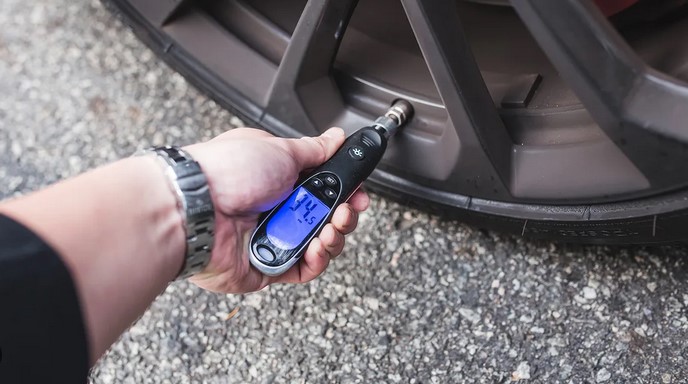
In my ten years of managing busy automotive service bays, I have stood next to countless vehicles towed in with shredded rubber and ruined rims. The heartbreaking part? Nearly 80% of these terrifying incidents started as a slow, unnoticed air leak. You cannot reliably spot a 5 psi drop just by looking at a tire—rubber is stubborn like that. That is exactly why finding the best tire pressure monitoring systems (TPMS) is not just a tech upgrade for your car; it is your ultimate safety net on the asphalt.

Think of a TPMS as a digital doctor for your wheels, constantly checking their pulse so you do not get caught stranded in the middle of nowhere. Let us dive deep into how these systems work and find the perfect match for your ride.

Understanding the Tech: How a TPMS Saves Your Pocket and Your Life

Before we look at the top contenders on the market, we need to understand what is happening under the hood—or rather, inside the wheel. A tire pressure monitoring system does exactly what it says on the tin: it tracks the pounds per square inch (PSI) and temperature of your tires in real-time.

For beginners, think of your tires like balloons. If they are underinflated, they get floppy, generate massive amounts of friction heat, and burn through fuel like crazy. If they are overinflated, they become rock-hard, making your ride bumpy and prone to popping on potholes. A good TPMS acts like the perfect thermostat, keeping everything in the golden zone.

From a technical standpoint, aftermarket systems generally fall into two categories:

External Valve Cap Sensors

These devices screw directly onto your tire’s valve stem, replacing your standard plastic caps. They are incredibly popular for beginners because you can install them yourself in under five minutes. They work by depressing the valve core slightly to read the internal pressure, then broadcasting that data wirelessly to a display on your dashboard.

Internal Rim Sensors

These are the heavy hitters. Internal sensors are mounted inside the tire, strapped directly to the wheel rim. While they require a professional tire shop to install—since the tire needs to be popped off the rim—they are completely safe from road debris, car washes, and thieves.

The Best Tire Pressure Monitoring Systems on the Market

Choosing the right system depends heavily on how you use your vehicle. Based on real-world durability, signal reliability, and user interface, here are the top-performing systems available today.

1. The Best Overall External System: Tymate Wireless TPMS

If you want a painless installation without sacrificing data accuracy, this is the benchmark. Tymate has been a staple in the automotive community for years due to its relentless reliability.

The system features a solar-powered dashboard display that automatically wakes up when it senses the vibration of your car starting. The four external sensors are robust and come with anti-theft locking nuts.

  • Pros: Solar charging means fewer wires cluttering your dash; automatic backlight adjustments; highly accurate pressure readings within 1 PSI.

  • Cons: External caps add a bit of bulk to your valve stems, which requires using the included wrench tool every time you need to add air.

2. The Smartest Tech Integration: FOBO Bike 2 and FOBO Ultra 2

For the drivers who hate extra screens on their dashboard, FOBO changes the game by sending data directly to your smartphone.

Utilizing Bluetooth 5.0, the FOBO system syncs with an intuitive app on your iOS or Android device. It monitors your tires even when the car engine is turned off, sending a loud push notification to your phone if a tire drops pressure overnight.

  • Pros: No extra monitors to mount; shares data with multiple users; excellent tracking graphics.

  • Cons: Relies entirely on your phone battery and Bluetooth connection; app must run in the background.

3. The Heavy-Duty Champion: EEZ RV Products TPMS

If you are towing a travel trailer, driving a massive dually truck, or managing an RV, standard passenger car systems will not cut it. You need long-range signal strength and the capacity to handle high pressures.

The EEZ RV system can monitor up to 26 tires simultaneously and handle pressures up to 210 PSI. It uses a motion-activated display and powerful internal coding to ensure the signal from the rear trailer tires reaches the dashboard without dropping out.

  • Pros: Incredible signal range; handles extreme commercial-grade pressures; customizable alert thresholds for different axles.

  • Cons: Premium pricing; the display monitor is quite large and takes up significant windshield real estate.

Essential LSI Terminology: Speaking the Language of Tires

When shopping for the best tire pressure monitoring systems, you will run across technical jargon on the packaging. Understanding these terms will help you make an informed purchase:

  • PSI (Pounds per Square Inch): The standard unit of measurement for tire pressure.

  • Bar: A metric unit of pressure common on European systems (1 Bar is roughly 14.5 PSI).

  • RF Signal (Radio Frequency): The wireless transmission method used by most monitors to send data from the wheel to the dash.

  • Centrifugal Wake-up: A battery-saving feature where sensors stay asleep until the wheel begins spinning at a certain speed.

  • Anti-Theft Lock Nuts: Small hex nuts placed behind external sensors to prevent someone from casually unscrewing them.

Expert Advice: The Hidden Warning About External Sensors

Pro Tip: Beware of Galvanic Corrosion!

This is a crucial warning that cheap instruction manuals leave out. Many external TPMS sensors use brass threads inside their plastic housings. If your vehicle has aluminum valve stems (very common on modern aluminum alloy wheels), mixing brass and aluminum creates a chemical reaction called galvanic corrosion, especially in wet or salty winter conditions.

Over a few months, the metals can literally weld themselves together. To prevent this nightmare, always apply a tiny dab of anti-seize lubricant or synthetic grease to the valve stem threads before screwing on an external sensor.

How to Choose the Perfect System for Your Driving Style

To narrow down your choices, ask yourself how much effort you want to put into maintenance.

If you want a true “set it and forget it” experience, invest in an internal sensor system. The batteries inside internal sensors typically last 5 to 7 years because they do not have to endure external weather extremes.

If you are on a budget or lease your vehicle, go with a solar-powered external kit. Just remember to check the sensor batteries (usually standard CR1632 button cells) once a year. If your monitor screen suddenly displays a blank reading for a single wheel, nine times out of ten, it is simply a dead coin battery in that specific cap.

Keep Your Journey Safe and Efficient

An optimal tire setup is the only thing keeping your multi-ton vehicle glued to the road. Investing in the best tire pressure monitoring systems eliminates the guesswork, protects your expensive tread from premature wear, and saves you money at the gas pump by keeping your rolling resistance perfect.

Do not wait for the dreaded smell of burning rubber to find out your tires are failing. Choose a system that fits your vehicle today, install it before your next big drive, and enjoy the peace of mind that comes with real-time data.

Have you ever experienced a sudden flat tire while driving? Are you leaning toward a quick-install external kit or a stealthy internal system for your ride? Let me know your thoughts or drop your questions in the comments below!

Source:https://static-oss.icartea.com

You’re idling at a long traffic light in downtown Jakarta or stuck in a Monday morning crawl on the freeway. You glance at the fuel gauge and realize that while you haven’t moved an inch, your money is literally evaporating through the tailpipe. In 2026, with global oil prices fluctuating between $100 and $120 per barrel, fuel efficiency isn’t just an environmental choice—it’s a survival tactic for your bank account. Research shows that aggressive driving alone can hike your fuel bill by up to 40% in heavy traffic.

In my decade of pulling apart engines and testing vehicle telematics, I’ve learned that most drivers leave money on the table every single time they start their cars. I’ve seen perfectly tuned vehicles ruined by poor driving habits and “gas guzzlers” perform like hybrids simply because the person behind the wheel knew the technical secrets of momentum.

If you’re ready to stop being a “fuel donor” to the oil companies, this guide is your technical roadmap to mastering how to reduce fuel consumption.


The Physics of Efficiency: Momentum is Your Best Friend

Think of your car’s engine as a marathon runner. A runner uses the most energy during a sprint and the least while maintaining a steady jog. Every time you slam on the brakes, you’re throwing away the kinetic energy you just paid for in gasoline.

To effectively reduce fuel consumption, you need to manage the “energy cycle” of your vehicle.

The 10-Second Idling Myth

I’ve spent years debunking the old myth that “restarting the car uses more fuel than idling.” In modern fuel-injected engines, this is flat-out false.

  • The Rule: If you are stopped for more than 10 seconds, turn the engine off.

  • The Data: Idling can burn between 0.7 to 1.9 liters per hour. In a year, that “harmless” idling can add up to thousands of “ghost miles” that wear out your engine without moving you a single inch.


Smart Driving: Habits That Save at the Pump

Mastering how to reduce fuel consumption starts with changing the “software” (your brain) before the hardware.

1. The “Egg Under the Pedal” Technique

Imagine there is a raw egg between your foot and the accelerator. If you press too hard, you break the egg.

  • The Insight: Smooth, gradual acceleration allows the Electronic Control Unit (ECU) to optimize the air-fuel ratio. Rapid “jackrabbit” starts force the engine into a rich-burn state where it dumps extra fuel into the cylinders to meet the demand for power.

2. Predictive Braking (Engine Braking)

Instead of rushing to a red light and slamming the brakes, let off the gas early.

  • The Tech: Most modern cars use Deceleration Fuel Cut-Off (DFCO). When you coast in gear with your foot off the pedal, the ECU literally stops injecting fuel into the engine, using the car’s momentum to keep the pistons moving. You are effectively driving for free.

3. Aerodynamic Drag Management

Think of your car like a swimmer. At low speeds, water (air) doesn’t resist much. At high speeds, it feels like concrete.

  • The Speed Sweet Spot: Most vehicles achieve peak fuel economy between 50-80 km/h.

  • Windows vs. A/C: Below 60 km/h, open the windows. Above 80 km/h, close them and use the A/C. The “drag” created by open windows at high speeds hurts your mileage more than the A/C compressor ever could.


Maintenance: The Silent Fuel Thieves

You can be the smoothest driver in the world, but if your car is “sick,” it will be thirsty. To reduce fuel consumption, your maintenance schedule must be surgical.

The “Contact Patch” Crisis: Tire Pressure

Your tires are the only thing connecting your engine’s power to the road.

  • The Analogy: Driving with underinflated tires is like walking in deep sand—it requires significantly more effort for every step.

  • The Data: A drop of just 1 PSI can reduce your mileage by 0.2%. I’ve seen cars come into the shop with tires 10 PSI low, meaning the owner was effectively burning an extra 3% of their tank for no reason.

Weight Reduction (The Boot Audit)

Every 45 kg (100 lbs) of extra weight in your car reduces your fuel economy by roughly 1-2%.

  • Pro Tip: If those golf clubs or heavy tools have been in your trunk for a month, take them out. Your car isn’t a storage unit; it’s a precision machine that hates dead weight.


Expert Advice: Tips and Hidden Warnings

As someone who has looked at thousands of fuel trims and sensor logs, here is the expert “insider” advice that often goes unmentioned.

Tips Pro: The “Short Trip” Warning

Engines are at their most inefficient when they are cold. The fuel doesn’t atomize properly, and the catalytic converter hasn’t reached its operating temperature.

  • The Strategy: Combine your errands. One 20-km trip is much more fuel-efficient than five 4-km trips because the engine stays at its “Thermal Sweet Spot.”

Hidden Warning: The “Dirty Air Filter” Delusion

In older carbureted cars, a dirty air filter killed gas mileage. In modern fuel-injected cars, the ECU will adjust the fuel to match the restricted air, so you might not see a huge drop in MPG—but you will lose massive amounts of acceleration.

  •  A clogged filter forces your Turbocharger (if equipped) to work harder, increasing internal heat and potentially leading to a massive repair bill down the road.

High-Quality Fluids Matter

  • The Advice: Use the exact viscosity of motor oil recommended in your manual (e.g., 0W-20 vs 5W-30). Thicker oil creates more internal “friction” (viscous drag), forcing the engine to work harder just to spin its own parts.


Scannable Checklist for Maximum Efficiency

Before your next trip, run through this quick “Fuel Audit”:

  • [ ] Tire Pressure: Checked while cold? (Check the sticker on your door jamb).

  • [ ] Roof Racks: Removed? (Empty roof racks can increase drag by 10-20%).

  • [ ] Gas Cap: Tightened? (A loose cap can let fuel vapors escape, triggering a “Check Engine” light).

  • [ ] Route Planning: Using an app to avoid the heaviest 8:00 AM congestion?

  • [ ] A/C Settings: Set to 22-24°C instead of “Max Cold”? (This can save 10-15% of A/C-related fuel use).


Summary: Drive Smarter, Not Harder

Learning how to reduce fuel consumption isn’t about driving like a snail; it’s about driving with intention. It’s about understanding that every time you touch the pedals, you are making a financial decision. By combining smooth driving habits with a “zero-tolerance” policy for poor maintenance, you can easily slash your monthly fuel bill by 20% to 30%.

The road is long, and fuel isn’t getting any cheaper. It’s time to start treated your car—and your wallet—with the respect they deserve.

What’s the one habit you struggle with most—speeding on the highway or idling in the parking lot? Or have you found a secret maintenance tip that boosted your mileage? Let’s discuss your fuel-saving wins in the comments!

Source:https://platform.cstatic-images.com

You’re winding down a coastal road as the sun begins to dip, the air is thick with the scent of salt spray, and the only soundtrack is the rhythmic mechanical growl of a precision-tuned engine. Suddenly, you realize you aren’t just driving; you’re part of the landscape. Most people view a car as a metal box that gets them from A to B, but a convertible—specifically a high-end one—is a sensory amplifier. It’s the difference between watching a concert on a grainy smartphone screen and standing in the front row of the stadium.

In my decade of testing the world’s most elite machinery, I’ve found that the best luxury convertibles for summer aren’t just about showing off. They are masterpieces of “Atmospheric Engineering.” I’ve sat in $200,000 drop-tops where the wind buffeting was so bad it felt like being in a tumble dryer, and I’ve driven others where you could hold a whisper-quiet conversation at 70 mph.

If you’re looking to invest in a “lifestyle on wheels” this season, you need to look beyond the badge. This is your technical and personal guide to the ultimate open-air experience.


The Engineering of the “Invisible Roof”

Think of a convertible like a bridge without a center support. When you cut the roof off a car, you lose a massive amount of “Structural Rigidity.” In the old days, this led to “Scuttle Shake”—where the car’s body would flex and vibrate over every bump like a bowl of jelly.

Today, the best luxury convertibles for summer use high-tech materials like carbon-fiber-reinforced polymers and aluminum extrusions to keep the chassis stiff. When evaluating a car, we look for Torsional Rigidity—the measure of how much the car resists twisting. The better the rigidity, the more precise the handling feels in the corners.

The Soft-Top vs. Hard-Top Debate

  • Fabric (Soft-Top): Modern luxury soft-tops, like those on the Bentley Continental GTC, use up to seven layers of insulation. They are lighter, preserve more trunk space, and offer that classic “Old Money” aesthetic.

  • Retractable Hard-Top: These offer the security of a coupe but at the cost of “Mechanical Complexity” and significant weight. They shift the car’s Center of Gravity when the roof is stowed, which can change how the car handles.


Top Performers: The Gold Standard for 2026

When we rank the best luxury convertibles for summer, we categorize them by their “Mechanical Soul.” Here are the heavy hitters currently dominating the asphalt.

1. Porsche 911 Targa: The Engineering Marvel

While not a full “cabriolet” in the traditional sense, the Targa is the thinking person’s convertible.

  • The Tech: Its complex roof mechanism is a dance of glass and magnesium. It offers the safety of a roll bar (the iconic silver hoop) with the freedom of an open sky.

  • Personal Insight: I’ve found the Targa to be the most “usable” daily driver. Because of the rear glass, the Aerodynamic Turbulence inside the cabin is virtually non-existent, even at highway speeds.

  • LSI Keywords: All-wheel drive stability, PDK dual-clutch transmission, active aerodynamics.

2. Mercedes-AMG SL 63: The Grand Tourer

The SL has been the “summer car” icon for 70 years, but the newest iteration is a beast tuned by AMG.

  • The Feature: It features Airscarf technology—vents in the headrest that wrap a warm “scarf” of air around your neck.

  • Analogy: It’s like having a personal climate-controlled bubble. It extends your convertible season into the chilly autumn nights.

3. BMW 8 Series Convertible: The Tech Powerhouse

This is the “Digital Nomad” of the group.

  • The Tech: It utilizes Live Cockpit Professional and a massive suite of driver-assist features.

  • The Feel: It feels like a high-speed private jet for the road. The 8 Series is exceptionally good at Noise, Vibration, and Harshness (NVH) management, making it the quietest soft-top I’ve ever tested.


Decoding the Spec Sheet: What Matters for Open-Top Driving

For intermediate enthusiasts, don’t let the 0-60 mph times be your only metric. In a convertible, these technical specs are more important:

  1. Roof Operation Speed: Can the roof open/close while moving? Most modern luxury cars allow operation up to 31 mph (50 km/h). This is a lifesaver when a sudden summer downpour starts at a stoplight.

  2. Acoustic Insulation: Check the “Decibel Rating” with the top up. The best cars should be within 2-3 dB of their coupe siblings.

  3. Cargo Volume (Top Down): Many convertibles lose 50% of their trunk space when the roof is stowed. If you can’t fit two weekend bags with the top down, it’s not a true “Summer Tourer.”


Expert Advice: Tips and Hidden Warnings

As an expert who has lived through the “glamour” and the “grit” of convertible ownership, here is the real-world advice you need.

Tips Pro: The “Sun-Reflective” Leather

If you’re buying a luxury convertible, ensure the seats feature Sun-Reflective Technology. Standard black leather can reach temperatures of 140°F (60°C) in direct sunlight. Reflective leather treated with special pigments can stay up to 20°F cooler, saving you from the dreaded “searing seat” syndrome when you hop back in after lunch.

Hidden Warning: The “A-Pillar” Blind Spot

To maintain structural integrity without a roof, engineers make the A-Pillars (the bars framing the windshield) incredibly thick.

  • The Danger: This creates a massive blind spot at junctions. When test-driving, always check your “diagonal visibility.” I’ve seen many “open-top” drivers nearly clip cyclists because they assumed the “open” car meant they could see everything.

UV Damage to Interiors

Even the highest quality leathers and plastics will degrade under constant UV exposure.

  • The Expert Fix: Don’t just wax the paint; use a Marine-Grade UV Protectant on the dashboard and seat bolsters. Also, never leave your top down while parked for long periods—it’s an invitation for both bird droppings and “interior sun-bleaching.”


Scannable Checklist: Is It Summer-Ready?

Before you commit to one of the best luxury convertibles for summer, run through this expert filter:

  • [ ] Wind Deflector: Is it included? (It’s the single most important piece of plastic you’ll ever own for highway comfort).

  • [ ] Rollover Protection: Does it have “Pop-up” roll bars that activate in milliseconds?

  • [ ] Seat Ventilation: Not just heated seats—you need cooled seats for a humid July afternoon.

  • [ ] Audio Power: Does the sound system have “Speed-Sensitive Volume”? (The speakers need to work harder to overcome wind noise).

  • [ ] Top Maintenance: If it’s a soft-top, has it been treated with a hydrophobic fluoropolymer coating?


Summary: Life Without a Ceiling

The best luxury convertibles for summer represent the pinnacle of automotive freedom. They are machines designed to make you feel alive, turning a mundane commute into a cinematic event. Whether you choose the surgical precision of a Porsche, the thundering power of an AMG, or the refined tech of a BMW, remember that the best car is the one that makes you want to take the long way home.

Summer is short, and the road is calling. Drop the top, listen to the engine, and breathe in the world.

Are you a “Classic Soft-Top” purist or do you prefer the “Transformer” magic of a hard-top? And what’s the one road trip you’ve always dreamed of doing with the roof down? Let’s talk open-top dreams in the comments!

Source:https://upload.wikimedia.org

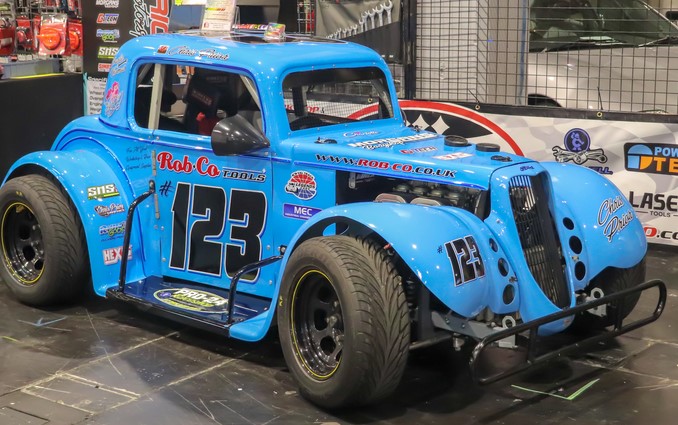
Imagine a machine that looks like it traveled through a wormhole from 1934, but sounds like a screaming 150-mph superbike. You’re standing at the edge of a short-track oval, the smell of high-octane fuel and toasted rubber thick in the air. Suddenly, twenty of these “miniature” monsters roar past, three-wide, drifting through the corners with a wheelbase so short it makes a Go-Kart look like a limousine.

In my ten years of tracking everything from Formula 1 paddocks to local dirt tracks, nothing captures the raw, unadulterated essence of “bang for your buck” racing quite like a Legend Car. I’ve squeezed my frame into these cockpits and felt the terrifyingly beautiful vibration of a motorcycle engine bolted to a tube frame. It’s a category that proves you don’t need a million-dollar budget to feel like a hero.

If you’ve ever wondered why these 5/8-scale replicas are the backbone of modern driver development, this deep-dive into the Legend car body and the mechanics beneath will get your heart racing.


What Exactly is a Legend Car?

Think of a Legend Car as a high-performance motorcycle wearing a classic tuxedo.

Technically, a Legend Car is a “spec” racer—meaning every car on the grid is mechanically identical. This keeps the racing about talent rather than who has the deepest pockets. They are 5/8-scale fiberglass replicas of famous American automobiles from the 1930s and 1940s, specifically the ones that pioneered the early days of NASCAR.

The “Squat” Dimensions

When you see one in person, the first thing that hits you is the scale. They are tiny, yet aggressive.

  • Wheelbase: 73 inches (roughly the length of a sofa).

  • Width: 60 inches (nearly square, which makes them incredibly twitchy).

  • Weight: 1,250 – 1,300 lbs (including the driver).

  • Power-to-Weight: With about 125–140 hp from a Yamaha engine, these cars have a power-to-weight ratio that rivals many modern sports cars.


The Shell: Understanding the Legend Car Body Styles

The Legend car body isn’t just one look; it’s a tribute to an entire era of automotive design. While the chassis underneath is a universal full tube-frame with an integral roll cage, the fiberglass “skin” can be swapped to represent different classic silhouettes.

Popular Body Styles

  1. 1934 Chevy Coupe/Sedan: Characterized by its rounded fenders and iconic upright grille.

  2. 1937 Chevy Coupe/Sedan: A slightly more aerodynamic look as the industry moved toward “streamlining.”

  3. 1934 Ford Coupe/Sedan: Perhaps the most recognizable “hot rod” shape on the track.

  4. 1937 Ford Sedan: A sleek, sloping rear that looks fast even when sitting still in the pits.

Analogy: If a modern NASCAR Stock Car is a powerboat—heavy and stable—a Legend Car is a jet ski. It’s light, reacts to every ripple in the track, and requires constant input to keep it from spinning out.


Under the Fiberglass: The Technical Soul

While the Legend car body provides the charm, the internals provide the chaos. As an automotive writer, I’ve always been fascinated by the “parts bin” brilliance of these machines.

  • The Engine: Most modern Legend Cars use the Yamaha FZ-09 (an 847cc triple) or the legendary Yamaha FJ1200/XJ1250 air-cooled engines. These are high-revving motorcycle powerplants that utilize a 6-speed sequential gearbox.

  • The Suspension: Simple but effective. They use Bilstein coilovers and a live rear axle (often derived from old Toyota Corolla designs) to handle the torque.

  • The Tires: They run on spec tires (like Hoosier or Federal), which are surprisingly narrow. This is intentional; it keeps the grip levels low so the cars are always sliding, teaching drivers “car control” at its highest level.


Why the “Spec” Nature Matters for You

One of the biggest problems for beginners entering motorsports is “Technical Creep”—the tendency for rules to become so loose that you have to spend $50,000 just to be competitive.

The Legend car body and chassis are strictly regulated by INEX, the international sanctioning body. You aren’t allowed to modify the engine or the body panels. This “Spec Racing” ensures that if you lose, it’s because the guy in front of you took a better line through Turn 3, not because he has a better engine.


Expert Advice: Tips and Hidden Warnings

If you’re thinking about buying your first Legend Car or attending your first race, here is the “insider” knowledge that only comes from being at the track at 6:00 AM.

Tips Pro: The “Asymmetric” Secret

Legend Cars are often set up for oval racing. This means the suspension is Asymmetric. The weight is shifted to one side, and the tires are angled (cambered) to help the car “turn left” naturally. If you take a Legend Car to a road course without resetting the “scaling,” you’ll find the car handles like a dream in one direction and a nightmare in the other.

Hidden Warning: The “Short Wheelbase” Snap

Because the car is so short (73-inch wheelbase), it has very little “polar moment of inertia.” In plain English: it spins faster than you can blink. * The Warning: Beginners often try to “muscle” the car. If the rear end starts to come around and you over-correct with too much steering, the car will “hook” and send you straight into the wall. You have to drive a Legend Car with your fingertips, not your fists.

Fiberglass Maintenance

Unlike steel bodies, fiberglass doesn’t “dent”—it shatters.

  • The Expert Advice: Always keep a “crash kit” in your trailer. This includes Dzus fasteners, racing tape, and a rivet gun. If you have a mid-race “rub” with another car, you’ll need to quickly patch the bodywork so it doesn’t catch the wind and act like a sail.


Scannable Checklist: Getting Started in Legend Racing

  • [ ] Locate an INEX Track: Find a track near you that hosts a Legend series (usually 1/4 or 3/8 mile ovals).

  • [ ] Check the Divisions: Are you a “Young Lion” (12-15), a “Pro,” or a “Master” (40+)? There’s a class for everyone.

  • [ ] Inspect the “Seals”: If buying used, ensure the engine seals are intact. If the INEX seals are broken, the car isn’t legal for sanctioned racing.

  • [ ] Safety Gear: Because the cockpit is tight, ensure you have a HANS device and a custom-molded seat insert to keep you from sliding around.


Summary: The Miniature Masterpiece

The Legend car body represents the golden era of racing, but the performance is strictly 21st-century. It is a category designed to strip away the fluff of modern racing and leave you with the basics: a loud engine, a light frame, and a group of drivers all trying to fit into a space the size of a postage stamp.

Whether you’re an aspiring pro using this as a stepping stone to NASCAR or a weekend warrior looking for the thrill of a lifetime, the Legend Car is the ultimate teacher. It’s small, it’s loud, and it’s one of the most rewarding drives you will ever experience.

Do you prefer the look of the ’34 Ford or the ’37 Chevy? And if you were on the grid today, would you choose the dirt oval or the asphalt road course? Let’s hear your racing dreams in the comments!

Source:https://www.classicandsportscar.com

You’re standing in a dimly lit garage, the air thick with the scent of aged leather and unburnt hydrocarbons. Before you sits a 1990s Japanese sports car—a vehicle that, ten years ago, you could have picked up for the price of a used hatchback. Today, that same car is hammering down at elite auctions for six figures. While the S&P 500 is the “safe” play, the collector car market has seen certain segments outperform traditional stocks by over 300% in the last decade. But here’s the catch: for every Ferrari that hits a record high, there are a dozen “money pits” waiting to dissolve your savings into a pile of rust and rare parts.

In my twelve years as an automotive consultant and writer, I’ve seen enthusiasts lose their shirts because they bought with their hearts instead of their heads. I’ve also watched savvy collectors turn a passion for “old metal” into a diversified portfolio. The best investments in vintage cars aren’t just about the badge on the hood; they are about scarcity, provenance, and a technical phenomenon I call the “Poster Child Cycle.”

If you’re looking to park your capital in something you can actually drive, this deep-dive will help you navigate the high-octane world of blue-chip automotive assets.


The “Poster Child Cycle”: Why Values Skyrocket

Think of a vintage car like a time-locked savings account. The people who grew up with posters of the Lamborghini Countach or the Nissan Skyline GT-R on their walls are now in their peak earning years. As they look to reclaim their youth, they drive up the demand for the specific models they once idolized.

When searching for the best investments in vintage cars, you aren’t just buying a machine; you’re buying Cultural Equity. We look for cars that hit the “Sweet Spot”: 25 to 35 years old, low production numbers, and a significant impact on automotive history.

The “Matching Numbers” Technicality

One technical detail that separates a “driver” from an “investment” is the concept of Matching Numbers. This means the serial numbers on the engine, transmission, and chassis all match the original factory build records. In the world of high-stakes collecting, a car with a non-original engine can be worth 40% less than a matching-numbers equivalent.


Top Performers: Models Currently Holding (and Gaining) Value

For the beginner or intermediate investor, I’ve categorized the current market leaders into three distinct “Asset Classes.”

1. The “Analog” Supercars (1980s-1990s)

We are currently in the golden age of analog performance. These cars represent the peak of mechanical engagement before driver aids like traction control and paddle shifters took over.

  • The Pick: Porsche 911 (993 Generation). As the last of the air-cooled Porsches, the 993 has a cult following.

  • The Tech: Its air-cooled flat-six engine is simpler to maintain than modern liquid-cooled units, but its scarcity is absolute. They aren’t making any more of them.

  • LSI Keywords: Air-cooled engines, low-mileage survivors, homologation specials.

2. The JDM Legends (Japanese Domestic Market)

The rise of the “Gran Turismo Generation” has turned Japanese performance cars into blue-chip assets.

  • The Pick: Nissan Skyline GT-R (R32 or R34). * My Insight: I’ve watched the R34 GT-R move from a $50,000 car to a $300,000+ asset in record time. The technical reason? The ATTESA E-TS all-wheel-drive system and the RB26DETT engine are over-engineered masterpieces that handle modern power with ease.

3. The “Usable” Classics

These are cars that hold value because they are actually pleasurable to drive on a Sunday morning without breaking down every five miles.

  • The Pick: Mercedes-Benz SL (R107 or R129).

  • The Logic: Mercedes-Benz over-engineered these cars to a ridiculous degree. An R107 SL is like a Swiss watch with wheels; as long as the maintenance is documented, they are incredibly resilient to market crashes.


Evaluating an Investment: The Technical Checklist

When you’re looking at a potential candidate for the best investments in vintage cars, you need to put on your “Mechanical Auditor” hat. Here is the technical data that matters:

  • The Paper Trail (Provenance): A car with a thick binder of service receipts is worth significantly more than a “mystery” car. It proves the Mechanical Integrity over time.

  • The “Original Paint” Premium: Collectors currently value “survivors” (original, unrestored cars) more than perfectly restored ones. A car is only original once; a restoration can be done by anyone with a checkbook.

  • Dry Storage Evidence: Look for “Flash Rust” on the suspension components. If a car has lived in a high-humidity environment, the internal seals in the engine and transmission are likely brittle, leading to expensive “Recommissioning” costs.


Expert Advice: Tips and Hidden Warnings

As someone who has spent a decade under both the hood and the spreadsheets, here is the “Real World” advice you won’t find in a glossy auction catalog.

Tips Pro: The “Manual Gearbox” Multiplier

In the modern world, manuals are dying. In the vintage world, they are king.

  • The Rule: If a model was offered in both automatic and manual (like the BMW M3 or certain Ferraris), the Manual version will almost always be worth 20-50% more. The “engagement” factor is the primary driver of value in the 2020s.

Hidden Warning: The “Restomod” Trap

You’ll see many “Restomods”—classic cars with modern engines and suspensions.

While they are amazing to drive, they are often poor investments. You rarely get back the $150,000 you spent on the custom work. Investors want the “Factory Specification.” Modifying a rare vintage car is like painting a mustache on the Mona Lisa; you might like it, but the market won’t.

The “Maintenance-to-Value” Ratio

  • The Warning: A cheap Ferrari is the most expensive car you will ever own. Before buying, calculate the Annual Carry Cost. If a $50,000 vintage car requires $5,000 a year in specialized maintenance just to stay “fresh,” the car needs to appreciate by 10% annually just for you to break even.


Scannable Investment Filter: Buy or Walk?

Before you pull the trigger on what you think is one of the best investments in vintage cars, run it through this quick filter:

  • [ ] Is it a “Top-Tier” trim? (e.g., an “S” or “Turbo” rather than a base model).

  • [ ] Does it have a clean “Carfax” or equivalent history? (Accident history is an investment killer).

  • [ ] Is the color “Desirable”? (Factory “Hero Colors”—the ones used in brochures—always sell faster).

  • [ ] Are the tires older than 6 years? (Even if they look new, old rubber is a safety hazard and a sign of a “neglected” stationary car).

  • [ ] Does it pass the “Cold Start” test? (Check for smoke or unusual valvetrain noise when the engine is first turned on).


Summary: Drive Your Portfolio

The beauty of the vintage car market is that, unlike a stock certificate, you can take your investment out for a canyon run on a Saturday morning. However, the best investments in vintage cars require a blend of historical knowledge, technical scrutiny, and patience.

Don’t buy a car just because you think it will go up in value. Buy a car that you genuinely love, but use the technical filters above to make sure you aren’t buying a liability. In the end, the best return on investment is the smile you get when the engine fires to life and the road opens up.

Which classic car has always been your “one that got away”? Are you looking for a 90s JDM sleeper or a classic European grand tourer? Share your dream investment in the comments below—I’d love to help you vet it!

You’re twenty miles deep into a trail in the Australian Outback or perhaps the rugged Highlands of Iceland. The “road” has long since dissolved into a chaotic mix of jagged limestone and knee-deep mud. Suddenly, you hear that dreaded clunk-spin-whine—the sound of a shiny, expensive SUV realizing it’s actually just a glorified grocery getter. In the off-road world, there is a brutal honesty: you either have the mechanical soul to conquer the terrain, or you’re just a pedestrian waiting for a very expensive tow truck.

In my twelve years of testing everything from high-speed desert runners to rock-crawling diesels, I’ve learned that the best 4WD off-road trucks aren’t defined by their touchscreens or leather seats. They are defined by their “mechanical sympathy”—the way the gears, lockers, and suspension dance together when the world turns sideways. I’ve spent nights winching out “mall crawlers” and days marveling at stock trucks that defied physics, and it’s taught me that a true off-roader is more than the sum of its parts.

If you’re looking to trade the pavement for the unknown, you need a machine that speaks the language of dirt. This deep-dive is your technical roadmap to the elite performers of 2026.


The Holy Trinity of Off-Road Capability

Think of an off-road truck like a mountain climber. An All-Wheel Drive (AWD) crossover is like someone in expensive sneakers—great for a paved path, but dangerous on a cliff. A true 4WD truck is the climber with spiked boots, harnesses, and an ice axe.

To find the best 4WD off-road trucks, we look for three technical non-negotiables: Ground Clearance, Torque, and Articulation.

The “Locking Differential” Secret

One technical detail beginners often overlook is the Locking Differential (Locker). On a normal road, your wheels need to spin at different speeds to turn corners. Off-road, if one wheel is hanging in the air, a standard “open” diff will send all the power to that spinning air-borne wheel—leaving you stuck. A locker forces both wheels on an axle to turn at the exact same speed, effectively “clawing” you out of the hole.


Top Performers: The Heavy Hitters of 2026

When we evaluate the best 4WD off-road trucks, we categorize them by their “Specialty.” Not every truck is built for every trail.

1. The Toyota Tacoma Trailhunter: The Overlanding King

Toyota has a legendary reputation for reliability, but the Trailhunter trim is a factory-built beast designed for long-term wilderness survival.

  • The Technical Edge: It features Old Man Emu (OME) suspension and a high-mount air intake (snorkel).

  • My Insight: I’ve driven Toyotas through river crossings that would drown a standard truck. The secret isn’t just the height; it’s the waterproofed electrical connectors and breather tubes for the differentials.

  • LSI Keywords: Electronic locking rear differential, approach and departure angles, A-TRAC.

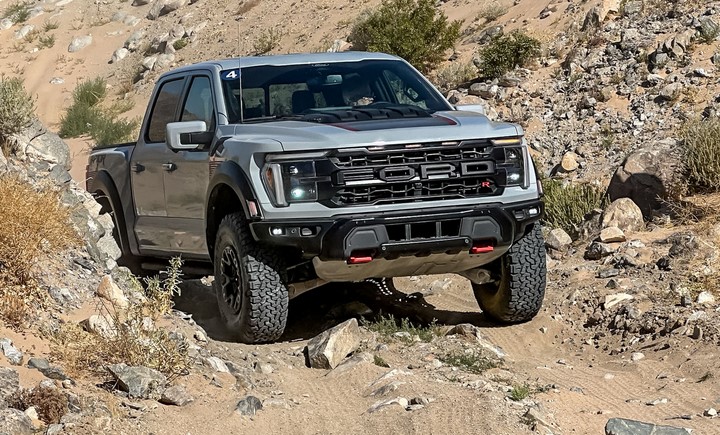
2. The Ford F-150 Raptor: The Desert Flyer

If the Tacoma is a slow-and-steady mountain goat, the Raptor is a trophy truck with a license plate.

  • The Tech: It uses FOX Live Valve shocks that can adjust their damping rates hundreds of times per second based on the terrain.

  • The Experience: Jumping a Raptor at 60 mph feels like landing on a cloud. It is designed for high-speed “Baja” style running where suspension travel (the distance the wheel can move up and down) is the most critical metric.

3. The Jeep Gladiator Rubicon: The Rock Crawler

Jeep is the only manufacturer still offering a Solid Front Axle in a mid-size truck, which is the gold standard for rock crawling.

  • The “Sway Bar Disconnect”: With the push of a button, you can electronically disconnect the sway bar, allowing the front wheels to move independently with massive range.

  • Analogy: It’s like being able to unbutton your pants after a big meal—it gives the truck the flexibility it needs to “wrap” its tires around boulders.


Decoding the Spec Sheet: What Actually Matters?

For intermediate buyers, the marketing fluff can be distracting. When hunting for the best 4WD off-road trucks, look at these specific technical numbers:

  • Approach Angle: The steepest incline a truck can climb without hitting its front bumper.

  • Crawl Ratio: This is a mathematical figure (Transmission x Transfer Case x Differential). A higher number (like 70:1 or 80:1) means the truck can move at a snail’s pace with immense torque—perfect for controlled, slow climbs.

  • Wading Depth: How deep can the truck go before the engine gulps water? In 2026, the best performers are pushing 31 to 35 inches stock.


Expert Advice: Tips and Hidden Warnings

Having spent a decade breaking (and fixing) trucks in the middle of nowhere, here is the “real-world” advice you won’t get from a salesman.

Tips Pro: Tires are 80% of the Battle

You can have the most advanced 4WD system in the world, but if you’re running street tires, you’re going nowhere.

  • The Upgrade: Switch to All-Terrain (A/T) or Mud-Terrain (M/T) tires immediately.

  • The Secret: Learn to “Air Down.” Dropping your tire pressure from 35 psi to 15 psi doubles the size of your “footprint,” giving you massive traction on sand and rocks. Just remember to air back up before hitting the highway!

Hidden Warning: The “Payload” Trap

Off-road trucks often have lower payload capacities than their “work” counterparts.

  • Why? Soft, long-travel suspension (great for rocks) is terrible for hauling heavy loads. If you bolt on a heavy steel bumper, a winch, a roof-top tent, and a fridge, you might actually exceed your truck’s Gross Vehicle Weight Rating (GVWR), making it dangerous to drive and prone to snapping an axle.

“Independent Front Suspension” (IFS) Boots

Most modern trucks use IFS for better highway comfort.

  • The Risk: The CV (Constant Velocity) boots are made of rubber. One sharp stick or a jagged rock can tear that boot, letting grease out and dirt in. Once that happens, your CV joint will fail within miles. I always carry heavy-duty zip ties and “trail boots” (emergency wraps) in my recovery kit.


Scannable Checklist: Is It Trail-Ready?

Before you sign that finance agreement for one of the best 4WD off-road trucks, ensure it meets these “Expert Standards”:

  • [ ] Underbody Protection: Does it have steel skid plates protecting the oil pan and transfer case?

  • [ ] Recovery Points: Are there frame-mounted tow hooks on both the front and rear? (Hint: The “tie-down” loops used for shipping are NOT recovery points).

  • [ ] Transfer Case: Does it have a “4-Low” gear set? If it only has “4-High” or “Auto AWD,” it’s not a true off-roader.

  • [ ] Tire Clearance: Can it fit a 33-inch or 35-inch tire without a massive, expensive lift kit?


Summary: The Dirt Path to Freedom

The best 4WD off-road trucks of 2026 are marvels of engineering, bridging the gap between civilized daily driving and raw, unadulterated adventure. Whether you choose the surgical precision of a Jeep, the indestructible spirit of a Toyota, or the raw power of a Ford, remember that the truck is only the tool. The real adventure is the one you have when the cell service bars drop to zero.

Invest in the right hardware, learn your technical limits, and never—ever—go off-roading alone without a recovery strap and a plan.

What’s your “Dream Trail” destination? Are you a high-speed desert runner or a slow-and-steady rock crawler? Share your favorite rig in the comments below—I’d love to talk tech with you!

Source:https://tatumatkinson.com

You’re cruising at 60 mph, the radio is playing your favorite track, and for a split second, you glance down to check a notification on your phone. In that heartbeat—roughly 4.6 seconds—you’ve just traveled the length of a football field blindfolded. Statistically, over 90% of road collisions are caused by human error, and most of them happen within 25 miles of home. The road isn’t just a stretch of asphalt; it’s a high-stakes environment where the laws of physics are always enforced, and there are no “undo” buttons.

In my decade of testing performance vehicles and analyzing telematics data, I’ve realized that the most important safety feature isn’t the 12 airbags or the Automatic Emergency Braking (AEB) in your car—it’s the six inches of space between your ears. I’ve sat in the passenger seat with professional racing drivers and terrified teenagers, and the difference between a survivor and a statistic often comes down to defensive driving.

If you want to master the best ways to avoid car accidents, you need to stop driving “reactively” and start driving “proactively.” This guide is your technical and psychological roadmap to staying safe on the grid.


The Philosophy of the “Bubble”: Defensive Driving 101

Think of your car as a moving magnet. Every other object on the road—the erratic delivery van, the speeding motorcycle, the distracted pedestrian—is a North Pole trying to push against your North Pole. Your goal is to maintain a “Safety Bubble” that prevents these magnets from ever touching.

When we talk about defensive driving, we are talking about Spatial Awareness and Kinetic Energy Management. If you can control the space around your vehicle, you control the outcome of almost any situation.

The 3-Second Rule and Perception-Reaction Time

Technically, the “3-Second Rule” is based on Perception-Reaction Time (PRT). It takes the average human about 1.5 seconds to realize there’s a hazard and another 1.5 seconds to physically apply the brakes. At highway speeds, that 3-second gap is the bare minimum required to dissipate the kinetic energy of a 4,000-lb metal box.


Scanning the Horizon: Beyond the Hood Ornament

One of the biggest mistakes beginners make is “tunnel vision”—staring at the bumper of the car directly in front of them. To truly find the best ways to avoid car accidents, you need to scan at least 12 to 15 seconds ahead.

  • The 15-Second Lead: This allows you to see traffic lights changing three blocks away or brake lights flickering five cars ahead.

  • The “Look Through” Technique: I always teach my students to look through the windows of the car in front of them. If you see the brake lights of the third car ahead, you can start slowing down before the guy directly in front of you even realizes there’s a problem.

  • LSI Keywords: Predictive driving, traffic flow analysis, collision avoidance systems.


Managing Intersections: The Danger Zone

Intersections are the most complex “puzzle pieces” on the road. Roughly 40% of all accidents occur at intersections. Even if you have a green light, you are not “safe.”

The “Clearing the Intersection” Ritual

I never enter an intersection the moment the light turns green. I wait two seconds and look Left, Right, and Left again. * Why? “Red-light runners” are most likely to hit you in those first three seconds of a light change.

  • The Technical Edge: By looking left first, you are checking the lane closest to you—the one where a collision would be most immediate and severe.


Vehicle Dynamics: Understanding Your Machine

You can be the best driver in the world, but if your hardware fails, the software (you) won’t matter. Defensive driving includes Pre-Trip Technical Audits.

  • Tire Contact Patches: Your car stays on the road via four patches of rubber, each about the size of a smartphone. If your tread depth is below 2/32 of an inch, or if your tire pressure is incorrect, your braking distance increases exponentially, especially in wet conditions.

  • Weight Transfer: When you slam on the brakes, the weight of the car shifts to the front tires (Nose-dive). If you are mid-turn when this happens, you risk Oversteer (the rear sliding out). Smooth inputs are the key to maintaining traction.


Expert Advice: Tips and Hidden Warnings

As an automotive writer who has spent thousands of hours analyzing crash data, here is the “real talk” you won’t find in a standard driver’s ed manual.

Tips Pro: The “Exit Strategy”

Always leave yourself an “out.” When you stop behind another car at a light, you should be able to see their rear tires touching the pavement. * The Reason: If a car behind you looks like it won’t stop in time, or if the car in front stalls, you have enough steering angle to pull out and escape without having to reverse.

Hidden Warning: The “Blind Spot” Mirage

Modern cars have Blind Spot Monitoring (BSM), but they aren’t foolproof. Sensors can fail, and fast-moving motorcycles can enter your blind spot between the sensor’s “sweeps.”

  • The Expert Fix: Adjust your side mirrors outward until you can no longer see the side of your own car. This overlaps the view between your rearview and side mirrors, virtually eliminating the blind spot. If you can see your own car in the side mirrors, they are pointed too far inward.

“Velocitation”

After a long stint on the highway, your brain gets used to high speeds—a phenomenon called Velocitation. When you exit into a 30-mph zone, it feels like you’re crawling, causing you to inadvertently speed. Always check your speedometer when exiting a highway; don’t trust your “feel.”


Defensive Driving in Adverse Conditions

The best ways to avoid car accidents change when the environment turns hostile. Whether it’s heavy rain in Central Java or black ice in the mountains, the physics remain the same: Lower Friction = Lower Control.

  • Hydroplaning: This happens when a layer of water builds up between your tires and the road. If you feel the steering go “light,” do not slam the brakes. Ease off the accelerator and keep the wheel straight until you feel the tires “bite” the asphalt again.

  • Night Driving: Your high beams only reach about 350-500 feet. At 60 mph, you are “overdriving your headlights,” meaning you can’t stop within the distance you can see. Slow down by at least 5-10 mph at night to compensate for reduced depth perception.


Scannable Checklist for Every Drive

Before you put the car in gear, run through this quick mental check to ensure you’re practicing the best ways to avoid car accidents:

  • [ ] Phone on “Do Not Disturb”: Eliminating the #1 source of distraction.

  • [ ] Mirror Check: Can I see my own car? (If yes, move them out!).

  • [ ] The 4-Second Gap: Is it raining? Increase your following distance to 4 or 5 seconds.

  • [ ] Lights On: Even in daylight, keeping your headlights on increases your visibility to others by up to 25%.

  • [ ] Tire Health: Do I have enough tread for the weather?


Summary: Control the Controllables

Driving is the most dangerous thing most of us do every single day. But by adopting a defensive mindset, you move from being a “target” to being a “pilot.” You cannot control the person texting in the next lane, but you can control your distance from them, your speed, and your readiness to react.

The best ways to avoid car accidents aren’t found in a fancy gadget; they are found in your commitment to being present every time you get behind the wheel. Drive like everyone else on the road is trying to hit you, and you’ll likely never give them the chance.

What was the closest call you’ve ever had on the road, and what did it teach you about your driving habits? Or maybe you have a “secret” safety tip that saved you once? Let’s talk safety in the comments below!