Source:https://cdn.shopify.com

When it comes to enhancing your vehicle’s performance, one of the most effective modifications is installing a high-quality performance exhaust system. Performance exhaust brands offer an array of solutions that not only improve engine power but also provide that exhilarating sound that many car enthusiasts crave. Whether you are a casual driver looking for a smoother ride or a performance junkie seeking that extra horsepower on the road, the right exhaust system can make all the difference. This article will explore the benefits of upgrading to a performance exhaust system, dive into popular brands, and offer insights into what to consider when making this important upgrade.

Understanding the Importance of a Performance Exhaust System

Before we get into the best performance exhaust brands, it’s essential to understand why a performance exhaust system is a worthy investment. An exhaust system’s primary function is to expel exhaust gases produced by the engine. Over time, manufacturers have improved the efficiency and flow of exhaust systems, but aftermarket systems take this to the next level. High-performance exhaust systems are designed to increase engine efficiency, allowing for better airflow and reducing back pressure. This results in improved engine performance, which can translate into more horsepower, torque, and an enhanced throttle response.

Moreover, performance exhaust systems also contribute to the auditory experience. Many car enthusiasts choose to upgrade their exhaust system to achieve a deeper, more aggressive sound. This can enhance the driving experience, especially for those who enjoy the visceral thrill of the road. With the right exhaust system, your car can transform into a machine that sounds as powerful as it performs.

Top Performance Exhaust Brands to Consider

1. Borla Exhaust Systems

One of the most renowned performance exhaust brands, Borla is a name synonymous with quality and innovation. Borla exhaust systems are known for their durability and high-performance capabilities. Made from stainless steel, these systems are designed to withstand the harshest conditions and offer excellent resistance to corrosion. Borla offers a wide range of exhaust systems, including cat-back, axle-back, and headers, ensuring that car enthusiasts can find the perfect fit for their vehicles.

What sets Borla apart from the competition is its focus on creating a distinct sound. The company’s exhaust systems are designed to produce a deep, aggressive tone without being overwhelmingly loud. Whether you’re looking for a mild growl or a race-inspired roar, Borla’s unique muffler designs can achieve that perfect sound profile. Additionally, Borla’s exhaust systems often result in increased horsepower and torque, providing an instant performance boost for your vehicle.

2. MagnaFlow Exhaust Systems

MagnaFlow is another top-tier performance exhaust brand that has gained popularity for its superior construction and impressive performance gains. The company specializes in cat-back exhaust systems, but they also offer other exhaust components like headers and mufflers. MagnaFlow exhaust systems are engineered to enhance both power and sound, making them a popular choice among performance enthusiasts.

MagnaFlow’s products are built using mandrel-bent tubing and high-quality stainless steel, which contributes to improved durability and increased exhaust flow. This allows your engine to breathe more efficiently, resulting in better performance. MagnaFlow exhaust systems are also designed to provide a signature exhaust note—loud enough to make a statement, but refined enough to ensure a pleasant driving experience.

3. Flowmaster Exhaust Systems

Flowmaster is one of the oldest and most trusted names in the performance exhaust industry. Known for producing high-flow mufflers, Flowmaster exhaust systems are engineered to maximize performance while providing a rich, throaty exhaust note. These exhaust systems are designed to improve horsepower, torque, and throttle response, especially on older muscle cars and trucks.

Flowmaster offers several exhaust series tailored to different needs, including the American Thunder series for aggressive sound and the Outlaw series for an even louder, more race-like growl. Flowmaster systems use 409 stainless steel for improved durability, ensuring that your exhaust will last for years while maintaining its performance.

4. Corsa Exhaust Systems

Corsa Performance is another well-respected brand in the aftermarket exhaust market, known for its patented RSC (Reflective Sound Cancellation) technology. Unlike traditional mufflers, which rely on packing material to absorb sound, Corsa exhaust systems use a technology that minimizes unwanted drone while amplifying the deep, aggressive sound you desire. This makes Corsa a perfect option for car owners who want the power and performance boost without sacrificing interior comfort during long drives.

Corsa’s exhaust systems are constructed using high-quality stainless steel, offering a high level of resistance to corrosion and wear. Additionally, Corsa provides an extensive range of performance exhausts for different vehicle models, ensuring you can find an option that perfectly matches your car’s specifications.

Factors to Consider When Choosing a Performance Exhaust System

While performance exhaust brands offer a wide range of products, it’s essential to consider several factors before making your final decision.

Vehicle Compatibility

Not all exhaust systems are made for every vehicle. Be sure to select a performance exhaust that is compatible with your make and model. Popular brands like Borla, MagnaFlow, and Flowmaster typically provide detailed compatibility charts on their websites to help you select the right exhaust system.

Material Quality

Stainless steel is the preferred material for performance exhaust systems because of its durability and resistance to corrosion. Look for systems made from T-304 or T-409 stainless steel for superior longevity and strength.

Performance Goals

What are you looking for in terms of performance gains? Some exhaust systems are designed for increased horsepower, while others focus on sound, appearance, or fuel efficiency. Consider whether you want a system that focuses on performance or one that gives you the perfect exhaust note.

Sound Preference

Each performance exhaust brand has its own signature sound. If sound is a priority for you, check online reviews, listen to sound clips, and even seek advice from fellow car enthusiasts to ensure the exhaust system matches your desired tone.

Conclusion

When it comes to upgrading your vehicle’s exhaust system, choosing the right performance exhaust brands is crucial for boosting both power and sound. With brands like Borla, MagnaFlow, Flowmaster, and Corsa offering top-tier exhaust systems, car enthusiasts have plenty of options to consider. Each of these brands provides unique benefits in terms of power, sound, and build quality, ensuring that you can find a system that meets your specific needs. Upgrading your exhaust system is a rewarding investment that can enhance your vehicle’s performance and provide an exhilarating driving experience. Be sure to select the best performance exhaust brands that align with your goals, and enjoy the boost in power and sound that follows!

Source:https://germanauto.co.uk

A car that overheats is not only a nuisance but can also cause significant engine damage if left unresolved. One common culprit behind overheating issues is a faulty thermostat. The thermostat in a vehicle plays a crucial role in regulating the engine’s temperature by controlling the flow of coolant between the engine and the radiator. If the thermostat gets stuck in a closed position, it can restrict coolant flow, leading to overheating. Fortunately, if you’re experiencing overheating, learning how to change a car thermostat can resolve the issue and save you from more expensive repairs down the line.

In this article, we’ll walk you through the steps involved in replacing your car’s thermostat. By the end, you’ll have the knowledge to tackle the task yourself and restore your vehicle’s engine cooling system to its optimal condition.

Signs That Your Car’s Thermostat Needs Replacement

Before diving into the steps of changing a car thermostat, it’s important to recognize the signs that indicate it needs to be replaced. Here are a few common symptoms:

1. Engine Overheating

The most obvious sign that your thermostat may be failing is that the engine begins to overheat. If your car’s temperature gauge is consistently in the red zone or higher, it could mean that the thermostat is stuck closed, preventing coolant from circulating.

2. Temperature Fluctuations

If you notice that your car’s engine temperature is erratic—oscillating between hot and cold—it’s a clear indication that the thermostat might not be opening and closing as it should.

3. Coolant Leaks

A stuck thermostat can cause pressure to build up in the cooling system, leading to coolant leaks. If you see coolant pooling under your vehicle or notice low coolant levels regularly, the thermostat might be malfunctioning.

4. Strange Engine Sounds or Smells

Sometimes, you might hear unusual engine sounds or notice a burning coolant smell. These are often the result of engine overheating, which can be caused by a malfunctioning thermostat.

If you’ve observed any of these signs, it’s essential to address the issue promptly by replacing the thermostat to avoid further engine damage.

Tools and Materials Needed to Change a Car Thermostat

Replacing the thermostat is a moderately challenging DIY repair that requires basic tools and a bit of patience. Before you get started, make sure you have the following tools and materials on hand:

1. New Thermostat: Purchase a replacement thermostat that is compatible with your vehicle. Consult your car’s manual or an online parts catalog for the correct part number.

2. Wrenches or Socket Set: These will be necessary to remove bolts and loosen the housing.

3. Screwdrivers: Some vehicles require a screwdriver to remove clamps or screws.

4. Coolant: Have some fresh coolant on hand to refill the system after the replacement.

5. Drain Pan: To catch any old coolant that will be drained from the system.

6. Gasket or RTV Sealant: Depending on your vehicle, a new gasket may be required for the thermostat housing. Alternatively, some people use RTV (Room Temperature Vulcanizing) sealant.

7. Gloves and Safety Glasses: Always prioritize safety when working with hot engine parts.

Once you’ve gathered everything you need, you’re ready to get started.

Step-by-Step Guide to Change a Car Thermostat

Step 1: Allow the Engine to Cool

Before starting any work on your vehicle, it’s crucial to let the engine cool down. The coolant system operates under high pressure, and working with it while it’s hot could result in burns or other injuries. Give your engine at least 30-60 minutes to cool down completely before proceeding.

Step 2: Locate the Thermostat Housing

The thermostat is typically located where the upper radiator hose connects to the engine. Depending on your vehicle’s make and model, the exact location of the thermostat housing can vary. You may need to remove the air intake system or other components to access the thermostat. Refer to your vehicle’s repair manual for precise instructions on locating it.

Step 3: Drain the Coolant

Before removing the thermostat housing, you’ll need to drain the coolant from the system. Position a drain pan under the radiator’s drain valve and open the valve to allow the coolant to drain out. Be sure to properly dispose of the coolant afterward, as it can be harmful to the environment.

Step 4: Remove the Thermostat Housing

Once the coolant has been drained, use your wrenches or socket set to remove the bolts securing the thermostat housing. Carefully remove the housing, keeping in mind that it may still have some coolant remaining inside.

Step 5: Take Out the Old Thermostat

With the housing removed, you should be able to see the old thermostat. Take note of the position in which it’s installed, as the new thermostat will need to go in the same orientation. Remove the old thermostat and inspect the housing for any debris, corrosion, or damage. If necessary, clean the housing and check the sealing surfaces for any imperfections that might prevent a proper seal.

Step 6: Install the New Thermostat

Place the new thermostat into the housing, ensuring that it’s oriented the same way as the old one. If your vehicle requires a new gasket, make sure to install it before reattaching the housing. Some people use RTV sealant to create a better seal, but be cautious and follow manufacturer recommendations for your vehicle.

Step 7: Reassemble the Cooling System

With the new thermostat in place, reattach the thermostat housing and tighten the bolts to secure it. Make sure all connections are snug and secure to prevent leaks. If you had to remove any other components, reinstall them as needed.

Step 8: Refill the Coolant

Once the thermostat housing is securely back in place, it’s time to refill the coolant. Use the appropriate coolant for your vehicle, following the manufacturer’s specifications. Pour the coolant slowly into the radiator and the coolant reservoir, ensuring that the system is properly filled.

Step 9: Check for Leaks

Start the engine and let it run for a few minutes to circulate the coolant. Check around the thermostat housing and the cooling system for any signs of leakage. If everything looks good, proceed to the next step.

Step 10: Bleed the Cooling System

Some vehicles may have air pockets in the cooling system after the thermostat is replaced. To ensure the system is fully bled, check the coolant reservoir and top off as necessary. You may need to run the engine while the cap is off to help expel any trapped air.

Step 11: Test the Car’s Performance

Finally, take the car for a short test drive to make sure that the overheating issue has been resolved. Monitor the temperature gauge to ensure that the engine is maintaining a proper operating temperature. If the vehicle continues to overheat, the issue may lie elsewhere, and further diagnostics will be needed.

In conclusion, learning how to change a car thermostat is a valuable skill for any car owner, particularly when dealing with overheating issues. By following the steps outlined above, you can replace a malfunctioning thermostat and restore your vehicle’s cooling system to proper working order. While the process may seem daunting at first, it’s a manageable DIY task with the right tools and a little patience. Always remember to take the necessary safety precautions, and if you’re unsure about any step, don’t hesitate to consult a professional mechanic. A well-functioning thermostat ensures your engine stays cool and runs efficiently, helping to prevent more costly repairs in the future.

Source:https://cdn.shopify.com

Long road trips offer a unique opportunity for adventure, exploration, and relaxation, but they also come with their own set of challenges. While the excitement of a cross-country journey can be thrilling, ensuring that your car is prepared for the extended drive and that you and your passengers are safe is paramount. Knowing essential car safety tips for long road trips is crucial to ensure that your trip goes smoothly and that you avoid any unexpected hurdles along the way. In this article, we’ll explore the most important safety tips to keep in mind before, during, and after your journey, so you can stay secure and enjoy your trip without worry.

Preparing Your Vehicle: Essential Steps Before You Hit the Road

Before embarking on a long road trip, a little preparation goes a long way in preventing issues down the road. Your car’s mechanical health, fuel efficiency, and overall preparedness can impact the safety of your journey. Here are some car safety tips for long road trips that will help you ensure your vehicle is in prime condition.

1. Check Fluid Levels

Ensuring that all essential fluids are topped off before your trip is crucial. This includes engine oil, brake fluid, coolant, and windshield wiper fluid. Running low on any of these fluids during a long trip can result in breakdowns or accidents. For example, low brake fluid could cause reduced braking efficiency, and insufficient coolant might lead to engine overheating.

2. Inspect Tires and Tire Pressure

Tires are one of the most important components for safe driving, especially over long distances. Before you hit the road, check for signs of wear and tear on your tires, including uneven tread wear, cracks, or bulges. It’s also essential to check the tire pressure. Over- or under-inflated tires can lead to blowouts or poor handling. The correct tire pressure can be found in the owner’s manual or on the sticker inside the driver’s side door.

3. Ensure Your Brakes Are in Good Condition

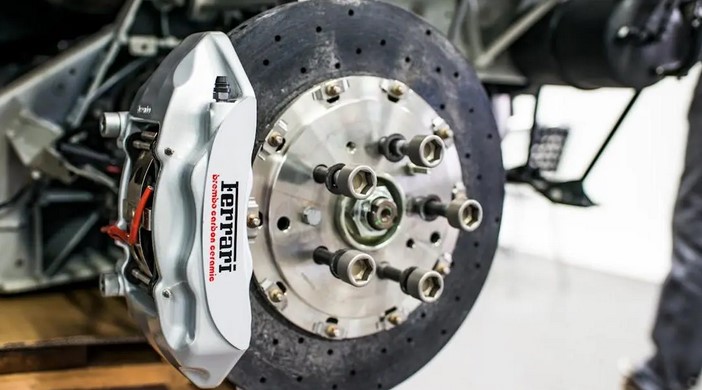
Brakes are vital to the safety of your road trip, and faulty brakes could lead to accidents or delayed reactions in emergency situations. Have your brake system inspected by a professional to ensure that the brake pads, rotors, and fluid levels are functioning optimally. If your brakes feel soft, squeaky, or take longer to respond, get them checked before setting off.

4. Test Lights and Signals

Proper lighting is essential for driving at night or in low-visibility conditions. Ensure all headlights, brake lights, turn signals, and hazard lights are working. If any lights are out, replace them before starting your trip. Faulty lights can make it difficult for other drivers to see you and can result in unsafe situations.

5. Pack an Emergency Kit

Always carry an emergency kit with essential supplies such as a first-aid kit, flashlight, extra batteries, water, non-perishable snacks, jumper cables, basic tools, and a tire repair kit. In addition to this, include blankets, warm clothes, and any personal medications you might need, especially if you’re traveling through remote areas where help may be far away.

Safe Driving Practices: Protect Yourself and Your Passengers

Once you’re on the road, ensuring safe driving practices is vital to avoid accidents and stay secure throughout your journey. Here are some important car safety tips for long road trips to remember as you travel.

1. Take Regular Breaks

Driving for hours on end without rest can lead to fatigue, a dangerous condition that impairs concentration, reflexes, and decision-making. To maintain focus and energy, plan regular breaks every 2–3 hours to stretch your legs, hydrate, and take a quick rest. Use these breaks to check your vehicle as well, especially if you’re traveling through extreme weather conditions.

2. Stay Alert for Weather Conditions

Weather conditions can dramatically change the safety of your journey. Always check the forecast before you leave, but keep an eye on weather updates during the trip. Rain, snow, fog, or high winds can affect road conditions and your visibility. If weather conditions worsen during your trip, slow down and increase your following distance. In extreme weather, consider pulling over and waiting until conditions improve.

3. Use Navigation Tools and Stay on Route

While it’s easy to get lost, especially in unfamiliar areas, relying on GPS and navigation apps can help you stay on course and avoid dangerous roads. Make sure to use updated maps and systems. Some apps also provide live traffic updates, helping you avoid road closures or accidents. However, don’t depend entirely on your phone’s navigation system—ensure you have a physical map as a backup, particularly if you’re traveling in areas with limited cell service.

4. Follow Speed Limits and Road Signs

Speeding is one of the top causes of accidents on long trips, especially on highways. Adhering to speed limits is crucial to ensure that you have enough time to react to unexpected road conditions. It’s equally important to obey all road signs, including signs for construction zones, detours, and areas with wildlife crossings. These signs are often put in place to protect you and other travelers.

5. Avoid Distractions

Distracted driving is a major cause of accidents, and it’s more prevalent than ever with smartphones, in-car entertainment systems, and other distractions. Always keep your focus on the road. If you need to adjust the GPS, make a call, or grab something from the backseat, pull over to a safe area first. Additionally, be mindful of eating or drinking while driving—if it distracts you from paying attention to the road, it’s best to wait until you can safely stop.

Post-Trip Considerations: Maintaining Vehicle Safety After Your Journey

Once you’ve completed your road trip, it’s just as important to maintain your vehicle to ensure it remains in good condition for future travels. Here are some tips to keep in mind for post-trip care.

1. Inspect the Car After the Trip

Once you’ve reached your destination or completed the journey, take a moment to inspect your car for any issues that may have developed during the trip. This includes checking the tires for any damage, reviewing fluid levels, and ensuring that all lights and electrical systems are functioning. If you’ve driven through areas with rough roads or harsh conditions, pay extra attention to suspension and undercarriage components.

2. Take Care of Maintenance Needs Promptly

After a long road trip, it’s not uncommon to discover that your car needs maintenance. For example, long-distance driving can cause your brake pads to wear down, or you may need to replace the oil or air filters. Schedule regular service appointments to ensure that your car remains in optimal condition for the next trip.

3. Restock Your Emergency Kit

Finally, don’t forget to restock your emergency kit after your trip. Replace any used items, check the expiration dates on medical supplies, and ensure your spare tire and tools are ready for the next journey. A fully stocked emergency kit will give you peace of mind for your next road trip.

Long road trips can be an exhilarating and rewarding experience, but they require careful preparation to ensure your safety and the safety of your passengers. Following essential car safety tips for long road trips can make the difference between a smooth journey and an unexpected disaster. From vehicle maintenance to driving practices and post-trip care, every step you take before and during the trip contributes to a safer experience. By taking these precautions, you can enjoy your extended journeys without the worry, knowing that you’re well-prepared for whatever lies ahead. Safe travels!

Source:https://imageio.forbes.com

Self-driving cars have moved from science fiction to real-world testing, and now, they’re one of the most exciting technological advancements on the horizon. As artificial intelligence (AI) and machine learning continue to progress, self-driving cars are becoming more sophisticated, safer, and reliable. From autonomous vehicles navigating city streets to AI systems improving decision-making, self-driving car technology updates are making headlines for their transformative potential in the transportation industry. In this article, we’ll explore the latest innovations in self-driving car technology, shedding light on the current state of this evolving field and what’s on the horizon.

The State of Self-Driving Car Technology: Key Players and Milestones

Self-driving cars, or autonomous vehicles (AVs), are vehicles that use a combination of sensors, cameras, radar, and AI algorithms to navigate and control the car without human intervention. These vehicles rely on different levels of autonomy, with Level 0 being fully manual and Level 5 representing full autonomy.

Over the past few years, there have been significant advancements in self-driving car technology. Companies like Tesla, Waymo (a subsidiary of Alphabet), Uber, and others have been at the forefront of these developments, pushing the boundaries of innovation in autonomous driving. Here are some of the most notable advancements and milestones in the industry:

1. AI-Driven Decision-Making

One of the key components of self-driving technology is the AI that drives decision-making. For a car to drive itself, it must interpret its environment in real-time and make decisions based on that data. Recent self-driving car technology updates have focused on improving the AI’s ability to make more accurate and safer decisions in complex, dynamic environments.

For example, Waymo has improved its software to enable its cars to make better judgments in unpredictable driving conditions, like navigating pedestrians, cyclists, or unexpected road hazards. Additionally, Tesla’s Full Self-Driving (FSD) system has made strides in handling more advanced maneuvers like turning at traffic lights and handling complex intersections.

The rapid improvement in AI systems is paving the way for vehicles that not only drive autonomously but also learn from their experiences to enhance their performance over time.

2. Advanced Sensors and Cameras

Sensors and cameras play a vital role in helping self-driving cars navigate their surroundings. In the past few years, there have been notable self-driving car technology updates in sensor technology, which is crucial for detecting obstacles, pedestrians, and road signs.

Lidar (Light Detection and Ranging) sensors, which help map the environment in 3D, are increasingly becoming more affordable and effective. Tesla, however, has opted for a vision-based approach using cameras and neural networks instead of lidar. This decision has spurred debates in the industry, but many believe that advances in computer vision will eventually eliminate the need for lidar entirely.

In addition to lidar and cameras, radar systems are also becoming more sophisticated. Radar allows for better performance in low-visibility conditions like rain or fog, ensuring that self-driving vehicles can operate safely in a broader range of environments.

3. Enhanced Safety Features

Safety is one of the most important concerns when it comes to self-driving cars. To address this, automakers and tech companies are making significant strides to ensure that autonomous vehicles are as safe, if not safer, than human drivers. In recent self-driving car technology updates, many systems have been designed to prevent accidents, avoid collisions, and respond to emergencies.

One of the most exciting developments is the integration of “redundant” safety systems. These are backup systems that can take over in case the primary system fails. For instance, if a vehicle’s primary sensors malfunction, the backup system can step in to continue monitoring the surroundings and make decisions based on redundant data sources.

Additionally, in-vehicle AI systems are becoming more adept at analyzing complex traffic situations. This means self-driving cars are learning how to react in critical situations, such as an emergency stop or avoiding an unexpected obstacle. These advancements will help build trust in autonomous vehicles and ease fears about their safety on the road.

The Regulatory Landscape: How Governments Are Reacting

While the technological aspects of self-driving cars are progressing rapidly, the regulatory environment has been a major point of contention. Governments around the world are still figuring out how to regulate self-driving vehicles, ensuring they meet safety standards while also encouraging innovation.

1. U.S. Regulatory Efforts

In the United States, the National Highway Traffic Safety Administration (NHTSA) has issued guidelines for self-driving car testing and safety. These guidelines have been important for setting benchmarks for manufacturers. However, there is still no overarching framework to govern fully autonomous vehicles, and this has slowed down widespread adoption.

Several states, including California, Nevada, and Arizona, have passed state-level regulations allowing for autonomous vehicle testing, while others have begun developing infrastructure to support self-driving vehicles. California, for instance, has developed rules requiring autonomous vehicles to be equipped with a safety driver who can take over control in case of a malfunction. These regulations vary from state to state, which can complicate the process for manufacturers looking to deploy self-driving cars on a national scale.

2. Global Developments

On the global stage, countries like Germany and China are also taking different approaches to self-driving car regulations. Germany has passed laws that allow for autonomous vehicle testing, but it also requires the presence of a human driver as a fail-safe. In China, the government has started experimenting with self-driving vehicles in designated zones, especially in major cities, while working on developing legislation that could bring more self-driving vehicles to the roads.

As global standards for self-driving cars evolve, it’s clear that international cooperation will be necessary to develop consistent safety protocols and deployment guidelines. This could lead to greater investment in autonomous vehicle infrastructure and faster adoption of the technology.

What’s Next for Self-Driving Cars?

Self-driving car technology is advancing at a rapid pace, but there are still challenges to overcome before fully autonomous vehicles become mainstream. Key factors such as regulatory approval, public perception, and the need for extensive infrastructure improvements must be addressed.

1. Vehicle-to-Vehicle (V2V) Communication

One of the major areas of innovation is in vehicle-to-vehicle (V2V) communication. This technology allows self-driving cars to communicate with other vehicles on the road, helping them predict and respond to traffic patterns more effectively. V2V technology could significantly enhance safety by preventing collisions, improving traffic flow, and even allowing cars to cooperate during turns and lane changes.

Several companies, including Ford and General Motors, are already integrating V2V communication into their vehicles, which could lead to a safer and more efficient transportation network.

2. Autonomous Delivery Vehicles

While the focus has mainly been on passenger vehicles, autonomous delivery vehicles are gaining attention. Companies like Amazon and Nuro are investing heavily in autonomous delivery services, which could revolutionize last-mile logistics and delivery services. These vehicles are smaller, designed for short trips, and could be used for everything from grocery deliveries to small-package shipping.

As technology improves, we are likely to see a rapid expansion of autonomous delivery services, complementing the growth of self-driving cars for personal transportation.

The world of self-driving car technology updates is dynamic, with exciting advancements occurring every year. From AI-driven decision-making systems to advanced sensors and radar, the latest innovations are bringing us closer to fully autonomous vehicles that will reshape the way we commute, work, and live. Although challenges remain, including regulatory hurdles and infrastructure needs, the future of self-driving cars looks promising. As we continue to see new self-driving car technology updates, it is clear that the technology will continue to evolve, offering smarter, safer, and more efficient transportation solutions for businesses and consumers alike.

Source:https://www.budgettrucks.com.au

As your business expands, so do your transportation needs. Whether you’re managing deliveries, offering mobile services, or need vehicles to move employees or equipment, building a fleet can quickly become a significant expense. However, for growing businesses on a budget, purchasing fleet vehicles doesn’t have to break the bank. Finding the best budget fleet vehicles that balance cost, reliability, and efficiency is crucial to keeping operations running smoothly without overspending. In this article, we’ll explore affordable options for fleet vehicles, providing insights on the best budget fleet vehicles for businesses that need practical and cost-effective solutions.

Why Choosing Budget Fleet Vehicles Is Important for Your Business

Investing in fleet vehicles is a major decision for any business. The right choice can help streamline your operations, improve productivity, and ultimately drive revenue growth. However, the wrong decision can result in high maintenance costs, poor fuel efficiency, and vehicles that don’t suit your needs. This is why finding the best budget fleet vehicles is essential.

1. Cost-Effectiveness

As your business grows, the need for more vehicles might increase, and with that comes the challenge of managing operating costs. Fleet purchases typically involve high upfront costs, but when considering budget options, you can significantly reduce these expenses. Opting for the best budget fleet vehicles allows you to maintain a fleet without overextending your budget, leaving more room for reinvestment into other areas of the business, such as marketing, staff, or product development.

2. Fuel Efficiency

Fuel costs can be one of the most significant ongoing expenses associated with fleet vehicles, especially for businesses with delivery or transport requirements. The best budget fleet vehicles offer superior fuel efficiency, allowing your business to reduce operational costs. Choosing the right vehicle with optimal mileage will help you save money in the long run, especially if your fleet is frequently on the road.

3. Reliability and Maintenance

When selecting budget fleet vehicles, reliability is a top priority. The best budget fleet vehicles not only cost less upfront but are also designed to offer long-term dependability with minimal maintenance issues. Choosing vehicles known for their longevity can help reduce downtime, costly repairs, and the stress of having to constantly replace or fix vehicles.

Top Affordable Fleet Vehicle Options for Growing Businesses

There are many options on the market that provide a balance of affordability, durability, and fuel efficiency. Below are some of the best budget fleet vehicles to consider when expanding your business.

1. Ford Transit Connect

The Ford Transit Connect is one of the most popular vehicles for businesses in need of a compact, versatile work van. This vehicle offers a low starting price while maintaining a robust list of features that make it ideal for small business owners.

  • Pros: Affordable base price, impressive cargo space, and excellent fuel economy for a van. It is also available with both a short and long wheelbase to accommodate varying cargo needs.
  • Cons: The powertrain may feel underwhelming for businesses requiring heavy hauling, and the base model lacks some luxury features.
  • Why it’s a good choice: For businesses in need of a versatile van that offers practicality without high upfront costs, the Ford Transit Connect is one of the best budget fleet vehicles available today.

2. Toyota Tacoma

If your business requires a reliable truck that can handle rugged terrain and heavy loads without breaking the bank, the Toyota Tacoma is a solid option. Known for its durability and low maintenance costs, the Tacoma is an excellent choice for small businesses that require a work truck but don’t want to pay the premium price of larger models.

  • Pros: Reliable, fuel-efficient for a truck, and well-suited for both urban and off-road work. The Tacoma has a reputation for longevity and retains its value well.
  • Cons: A smaller bed size compared to other full-size trucks may limit its payload capacity. It may also have a rougher ride due to its truck nature.
  • Why it’s a good choice: For businesses that need a dependable truck for tough jobs without the steep price of a full-size truck, the Toyota Tacoma is among the best budget fleet vehicles.

3. Chevrolet Silverado 1500

For businesses that need a full-size truck that won’t empty their bank account, the Chevrolet Silverado 1500 is a great choice. This vehicle is ideal for hauling large loads or transporting heavy equipment while offering fuel efficiency and a comfortable ride.

  • Pros: Available in several configurations, from regular cabs to crew cabs, it’s versatile and powerful. It offers excellent towing capabilities and advanced tech features, especially in the newer models.
  • Cons: It can be more expensive than compact trucks, especially if you choose higher-end trims. Fuel economy could also be better for a full-size truck.
  • Why it’s a good choice: For businesses needing a reliable, full-size work truck, the Silverado 1500 delivers excellent value without exceeding your budget.

4. Honda Civic

For businesses that need a fleet of affordable, fuel-efficient cars for delivery, services, or employees, the Honda Civic is an outstanding choice. Its low maintenance costs, excellent fuel efficiency, and reliable performance make it a popular choice for small and medium-sized businesses.

  • Pros: Great fuel economy, reliability, and value. The Civic is a compact car, meaning it’s ideal for city driving, and it comes in various trims, including hybrid options.
  • Cons: Not ideal for businesses requiring large cargo space or heavy-duty transport. It’s also less powerful compared to larger vehicles.
  • Why it’s a good choice: The Honda Civic stands out as one of the best budget fleet vehicles for businesses looking to maintain a fuel-efficient, dependable fleet of cars without compromising on reliability.

5. Ram ProMaster City

For businesses requiring a compact yet capable commercial van, the Ram ProMaster City offers the perfect balance of affordability, utility, and versatility. It’s ideal for businesses that need to transport goods and supplies without the bulk and expense of larger vans.

  • Pros: Compact size, excellent cargo capacity, and fuel-efficient engine options. The ProMaster City is maneuverable, making it great for urban environments.
  • Cons: Limited engine options and may not offer as much cargo capacity as larger models. Some competitors offer more luxurious interiors or better technology features.
  • Why it’s a good choice: The ProMaster City is an ideal solution for businesses needing a reliable, low-cost delivery vehicle with ample storage space.

Tips for Selecting the Best Budget Fleet Vehicles for Your Business

While the vehicles mentioned above are among the best budget fleet vehicles, choosing the right ones for your business requires careful consideration of your needs. Here are some tips to help you make the best decision:

1. Evaluate Your Business’s Specific Needs

Think about how your vehicles will be used. Will they primarily be used for short trips within the city, or do they need to handle long-distance transportation? Does your business require towing capability, or do you need more cargo space? Understanding these needs will help you select the best vehicle for your fleet.

2. Consider Total Cost of Ownership

The upfront cost of purchasing or leasing a vehicle is just one part of the equation. Consider the total cost of ownership, including fuel costs, maintenance, insurance, and potential repairs over the vehicle’s lifespan. A low initial price might seem appealing, but higher maintenance costs or fuel inefficiency could lead to higher overall expenses.

3. Opt for Fleet Management Solutions

As your business grows, managing multiple vehicles can become challenging. Consider working with a fleet management company that can help streamline operations, manage maintenance schedules, and track expenses. Some companies also provide software that allows you to track mileage, fuel consumption, and driver behavior, which can ultimately help you make more cost-effective decisions.

4. Leasing vs. Buying

When considering the best budget fleet vehicles, also weigh the option of leasing versus purchasing. Leasing allows for lower upfront costs, easier upgrades, and the ability to preserve capital, whereas purchasing vehicles gives you ownership but requires more significant capital investment upfront. Evaluate the financial flexibility of your business to decide which option is better suited to your needs.

Finding the best budget fleet vehicles is essential for growing businesses looking to expand without overspending. Whether you opt for compact cars like the Honda Civic, reliable work trucks such as the Toyota Tacoma, or versatile commercial vans like the Ford Transit Connect, there are plenty of affordable options to choose from. By evaluating your business’s specific needs, considering the total cost of ownership, and weighing leasing vs. buying, you can ensure that your fleet remains efficient, reliable, and cost-effective. With the right choices, your fleet can support your business’s growth while maintaining your financial health.

Source:https://carwow-uk-wp-3.imgix.net

When it comes to operating a successful business, having the right transportation is crucial. Whether it’s for deliveries, service calls, or transporting equipment, business vehicles play a vital role in your daily operations. However, purchasing and maintaining a fleet of vehicles can be expensive, especially for small to medium-sized businesses. Fortunately, best commercial leases offer a smart alternative to buying vehicles outright. Leasing provides businesses with flexibility, lower upfront costs, and the ability to upgrade vehicles frequently. In this article, we will explore why best commercial leases are a valuable option for businesses and help you understand how to choose the right leasing solution for your needs.

Why Choose Commercial Leasing for Your Business?

Leasing business vehicles is an excellent way to preserve capital, enhance cash flow, and avoid the long-term commitment that comes with owning a fleet. However, choosing the best commercial leases requires understanding the benefits and nuances of leasing, as well as recognizing the specific needs of your business.

1. Lower Upfront Costs

When you lease a business vehicle, you typically pay a lower down payment than if you were to purchase the vehicle outright. This significantly reduces your upfront expenses, freeing up cash that can be better used to invest in other aspects of your business, such as marketing, hiring employees, or improving your products and services. For small businesses, especially those in growth phases, this is a crucial advantage.

Unlike purchasing, where you need to account for the entire cost of the vehicle, leasing allows you to spread out payments over the term of the lease. This can make it much easier to manage your business finances and maintain positive cash flow.

2. Flexible Terms and Upgrade Options

One of the biggest advantages of leasing is the flexibility it offers. Most commercial leases allow you to select the term length—typically ranging from two to five years—based on your business’s needs. Shorter-term leases provide businesses the ability to change vehicles more frequently, ensuring you’re always driving the latest models with the latest technology.

Leasing also gives businesses the ability to upgrade vehicles regularly. For example, if your company’s needs change or if you require vehicles with advanced safety features or better fuel efficiency, leasing allows you to easily transition to newer models when your lease term ends. This keeps your fleet fresh, ensuring you’re always working with modern, reliable vehicles.

3. Maintenance and Tax Benefits

With many leasing options, maintenance can be included in the terms of the lease, meaning that you don’t have to worry about unexpected repair costs. This can be a major benefit for businesses that rely on their vehicles to operate daily. With maintenance coverage, you can ensure that your fleet stays in excellent condition, with fewer disruptions to your business operations.

Additionally, leasing may provide tax advantages. Lease payments may be deductible as a business expense, which can help reduce your overall taxable income. The specific tax benefits depend on your location and the structure of your business, so it’s important to consult with a tax professional to understand how leasing might impact your tax situation.

Types of Commercial Leases for Vehicles

When looking into best commercial leases for your business, it’s essential to understand the different types of lease structures available. Each type of lease has its pros and cons depending on the type of vehicle and the needs of your business.

1. Closed-End Lease (Operating Lease)

A closed-end lease, often referred to as an operating lease, is the most common type of commercial lease. Under this structure, the business rents the vehicle for a fixed term (usually 2 to 5 years), and at the end of the term, the vehicle is returned to the leasing company. The lessee (you) is only responsible for the agreed-upon monthly payments during the lease term, and there are typically no additional costs at the end of the lease as long as the vehicle is in good condition and within the agreed mileage limit.

This type of lease is ideal for businesses that want the flexibility of upgrading their vehicles frequently without worrying about ownership or depreciation. It’s also a good option if you prefer not to have to sell the vehicle at the end of its life or deal with the complexities of resale.

2. Open-End Lease (Finance Lease)

An open-end lease, also known as a finance lease, is typically used by businesses that plan to keep the vehicle long-term. This type of lease is often structured with lower monthly payments, but at the end of the lease, the business may be required to buy the vehicle or pay a residual value that reflects the car’s depreciated worth.

The open-end lease is ideal for companies that have specific long-term vehicle needs and are comfortable with owning the vehicle at the end of the lease term. While this option can be more expensive in the long run, it allows businesses to own the vehicle outright at the end of the lease or negotiate a more attractive buyout price.

3. Lease with Maintenance Package

For businesses that rely heavily on their vehicles for daily operations, opting for a lease with a maintenance package can be a smart choice. Under this lease option, routine maintenance and repair services are included as part of the lease agreement, removing the need for businesses to budget separately for vehicle repairs and upkeep.

With a maintenance package, you can ensure that your vehicles remain in top condition throughout the term of the lease, preventing unexpected repair costs and reducing downtime caused by vehicle malfunctions. This is particularly valuable for businesses that require high levels of mobility, such as delivery services or field-based contractors.

How to Choose the Best Commercial Lease for Your Business Vehicles

Selecting the best commercial leases for your business requires thoughtful consideration of your business’s needs, finances, and goals. Here are some key factors to keep in mind when evaluating lease options:

1. Determine Your Budget

Before entering into any lease agreement, it’s crucial to evaluate your budget and determine how much you can afford to spend on leasing vehicles. Keep in mind that monthly lease payments may vary depending on factors such as the make and model of the vehicle, the length of the lease, and whether maintenance services are included.

2. Understand Your Business’s Needs

Think about how often you’ll use the vehicle, how many miles you expect to drive annually, and whether you’ll need specialized vehicles (such as trucks or vans). If your business demands that you use your vehicles frequently, a closed-end lease may provide the flexibility you need. Alternatively, an open-end lease might be better if you foresee keeping the vehicle for the long haul.

3. Consider Tax Implications

As mentioned, leasing can provide certain tax advantages. Be sure to consult with a tax advisor to ensure you’re taking full advantage of any tax benefits that may be available to you based on the lease structure and the type of vehicle.

4. Research Leasing Companies

Not all leasing companies are created equal. Take the time to research reputable leasing companies that specialize in commercial vehicle leasing. Look for companies with a strong reputation for customer service, transparent pricing, and flexible terms. Additionally, check if they offer additional services such as vehicle maintenance or fleet management to help you streamline your operations.

When it comes to acquiring vehicles for your business, best commercial leases offer a variety of smart and practical options that can help you maximize your resources and streamline your operations. Whether you need the flexibility to upgrade your vehicles regularly or require long-term ownership with lower upfront costs, leasing provides businesses with affordable and customizable solutions. By considering factors like budget, vehicle usage, and lease type, you can find the ideal leasing option to suit your business’s unique needs. With the right best commercial leases, you can improve your business’s efficiency, reduce costs, and keep your operations running smoothly for years to come.

Source:https://images.fastcompany.com

In the evolving landscape of automotive technology, smart rearview mirrors are emerging as a transformative innovation that enhances driver visibility, safety, and convenience. Traditional rearview mirrors, while essential, have limitations such as blind spots, glare from headlights, and obstructed views due to passengers or cargo. Smart rearview mirrors leverage digital technology, cameras, and advanced displays to overcome these challenges and redefine how drivers perceive their surroundings. This article explores the technology behind smart rearview mirrors, their advantages, integration in modern vehicles, and the future potential of this cutting-edge innovation.

1. Understanding Smart Rearview Mirrors: Technology and Components

Smart rearview mirrors differ fundamentally from traditional glass mirrors by incorporating electronic components that provide real-time video feeds and augmented displays. Key features and technologies involved include:

Digital Displays and High-Resolution Cameras

Instead of relying solely on reflective glass, smart rearview mirrors use wide-angle cameras mounted at the rear of the vehicle. These cameras capture a broad and unobstructed view of the road behind, which is then displayed on an integrated LCD or OLED screen within the mirror housing. This digital feed eliminates common obstructions like headrests, passengers, or poor lighting.

Anti-Glare and Adaptive Brightness

Many smart rearview mirrors feature automatic brightness adjustment and anti-glare technology, which reduce the impact of bright headlights and improve nighttime visibility. Sensors detect ambient light and adjust the screen’s brightness accordingly, ensuring clear and comfortable viewing in all conditions.

Integration with Advanced Driver Assistance Systems (ADAS)

Smart rearview mirrors often work in conjunction with other vehicle safety systems, such as blind-spot detection, lane departure warnings, and parking assist cameras. Visual alerts and guidance can be integrated into the mirror display to enhance driver awareness and reaction times.

2. Advantages of Smart Rearview Mirrors Over Traditional Mirrors

The adoption of smart rearview mirrors brings multiple benefits that address the limitations of conventional designs and improve overall driving safety and experience.

Eliminating Blind Spots and Improving Field of View

Traditional mirrors have fixed angles and limited fields of view, often resulting in blind spots that compromise safety. Smart rearview mirrors use wide-angle cameras providing a much larger field of view, allowing drivers to see more of the surrounding traffic and reduce accident risks during lane changes or reversing.

Enhanced Visibility in Poor Conditions

Fog, rain, darkness, and glare can severely reduce visibility using standard mirrors. The cameras integrated with smart rearview mirrors often have night vision capabilities or enhanced image processing, delivering clearer views in adverse weather or low-light conditions.

Improved Interior Space and Comfort

Because smart rearview mirrors rely on cameras rather than direct reflection, they can be designed slimmer and positioned differently inside the vehicle, improving aesthetics and driver comfort. In some models, the traditional mirror is replaced entirely with a digital screen.

Additional Functionalities

Many smart rearview mirrors come with extra features like recording capabilities (acting as dashcams), integration with navigation systems, and even connectivity to smartphones or cloud services for data sharing and firmware updates.

Subheading: Real-World Applications and Adoption in Vehicles

Smart rearview mirrors are increasingly found in modern cars, trucks, and SUVs, especially in premium and electric vehicle models where advanced technology is prioritized.

  • Luxury Automakers: Brands like Audi, Lexus, and Cadillac have introduced smart rearview mirror systems that provide high-resolution rear views with supplemental driver alerts.
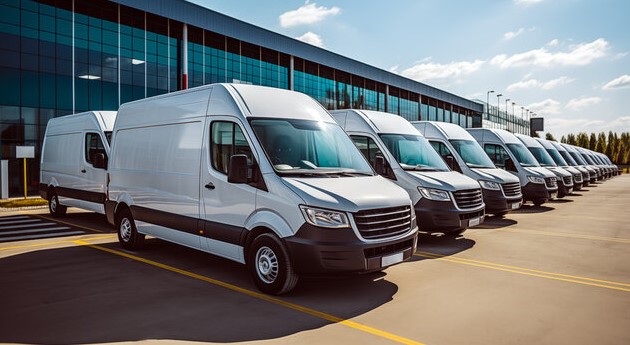
  • Commercial Vehicles: Trucks and delivery vans benefit from wide-angle camera mirrors to assist with maneuvering and parking in tight spaces.
  • Aftermarket Products: For existing vehicles, aftermarket smart rearview mirrors offer an upgrade option that adds safety and tech features without requiring a full vehicle replacement.

Government regulations in some regions are beginning to approve camera-based mirror systems, which suggests wider adoption will follow. As costs decrease and consumer demand for safety and convenience grows, smart rearview mirrors are set to become a standard feature.

3. Challenges and Future Developments in Smart Rearview Mirrors

Despite their clear advantages, smart rearview mirrors face challenges related to cost, user adaptation, and technological integration.

Cost and Affordability

Currently, smart rearview mirrors tend to be more expensive than traditional mirrors, especially when factory-installed. However, economies of scale and technological advancements are expected to reduce prices over time, making them accessible to a broader market.

Driver Adaptation and User Experience

Drivers accustomed to traditional mirrors may need time to adjust to digital displays and camera-based views. Manufacturers are focusing on user-friendly interfaces and minimal latency to provide a natural and intuitive experience that minimizes distraction.

Integration with Autonomous and Connected Vehicles

As autonomous driving technology advances, smart rearview mirrors will evolve to become integral components of fully connected vehicle systems, offering 360-degree awareness and communication with external sensors, other vehicles, and infrastructure.

Enhanced AI and Augmented Reality

Future smart rearview mirrors could incorporate AI algorithms to highlight hazards, predict traffic behavior, and overlay navigational cues directly onto the mirror display, providing augmented reality experiences that further improve safety and convenience.

Smart rearview mirrors represent a significant leap forward in automotive safety and driver assistance technology. By addressing the limitations of traditional mirrors, they offer improved visibility, reduce blind spots, and integrate seamlessly with advanced driver assistance systems. As technology progresses and adoption increases, smart rearview mirrors will become an essential feature, shaping the future of driving visibility and making roads safer for everyone. For drivers seeking the latest in vehicle innovation, embracing smart rearview mirrors is a step toward a smarter, safer driving experience.

Source:https://www.allbaydiesel.com

The alternator is a crucial component of any vehicle’s electrical system, responsible for charging the battery and powering electrical accessories while the engine runs. Recognizing the signs of a bad alternator early can prevent inconvenient breakdowns and costly repairs. Alternator failure can leave you stranded, as the battery alone cannot sustain your vehicle’s electrical needs for long. Understanding how to diagnose alternator issues and knowing the proper steps to fix them is essential for every vehicle owner or mechanic. This article provides a comprehensive guide to identifying common symptoms, testing the alternator, and effective repair options to restore your vehicle’s electrical health.

1. Common Signs of a Bad Alternator

Alternators wear out over time due to mechanical stress, heat, and electrical load. Detecting a failing alternator early can help avoid complete breakdowns. Here are some typical symptoms indicating alternator trouble:

Dimming or Flickering Lights

One of the most noticeable signs of a bad alternator is inconsistent or dimming headlights and interior lights. Since the alternator supplies power to these systems, fluctuating voltage causes the lights to vary in brightness. This is especially apparent at low RPMs or when additional electrical loads like air conditioning are engaged.

Battery Warning Light or Other Dashboard Alerts

Modern vehicles have a battery or charging system warning light that illuminates when the alternator is malfunctioning. If this light turns on during driving, it’s a clear indicator that the charging system requires inspection.

Electrical Component Malfunctions

Alternator issues can cause accessories like power windows, radio, and dashboard instruments to behave erratically or stop working altogether. Since the alternator provides continuous electrical power, a failing unit may result in intermittent failures or weak operation.

Dead or Weak Battery

A failing alternator cannot recharge the battery properly. Over time, the battery will drain and struggle to start the engine. If you frequently jump-start your car or notice corrosion around battery terminals, the alternator may be the root cause.

Strange Noises

Mechanical wear in the alternator’s bearings or internal components can produce grinding, whining, or squealing noises. These sounds often precede complete failure and indicate that the alternator needs attention.

Burning Smell or Overheating

Electrical faults inside the alternator may cause overheating, emitting a burning rubber or electrical odor. This can be dangerous and requires immediate inspection.

2. Diagnosing Alternator Problems

Proper diagnosis helps determine if the alternator is at fault or if other components, such as the battery or wiring, are causing the symptoms.

Visual Inspection

Begin by checking the alternator belt for cracks, looseness, or wear. A slipping or broken belt can mimic alternator failure. Inspect electrical connections for corrosion or damage, which can impede charging.

Voltage Testing with a Multimeter

Using a digital multimeter, measure the battery voltage with the engine off—typically around 12.6 volts for a fully charged battery. Then, start the engine and measure again; a healthy alternator should produce between 13.8 to 14.8 volts. Voltage below this range indicates inadequate charging.

Load Testing

Applying a load test simulates electrical demand on the alternator to see if it maintains proper voltage. Mechanics often use specialized testers for this, but some DIY methods involve turning on headlights, radio, and AC while monitoring voltage stability.

Professional Diagnostics

If the above tests are inconclusive, professional diagnostic tools can evaluate alternator performance, check for fault codes, and assess the entire charging system.

Subheading: How to Fix a Bad Alternator

Once diagnosed, there are several options for repair or replacement depending on the severity of the issue.

Repairing the Alternator

Minor issues such as worn brushes, faulty voltage regulators, or damaged diodes can sometimes be repaired by replacing these internal components. This is usually cost-effective if done by a skilled technician or experienced DIYer.

Replacing the Alternator

In many cases, especially with extensive wear or damage, replacing the entire alternator unit is the best solution. New or remanufactured alternators are widely available and often come with warranties.

Battery Check and Replacement

Since the alternator charges the battery, a failing alternator can damage the battery. It is advisable to test and, if necessary, replace the battery when fixing alternator problems to ensure reliable starting and electrical performance.

Preventive Maintenance Tips

Regular inspection of belts, connections, and electrical systems can extend alternator life. Keeping the engine clean and free from oil leaks also helps prevent premature alternator failure.

3. Importance of Addressing Alternator Issues Promptly

Ignoring signs of alternator failure can lead to sudden breakdowns, leaving drivers stranded and potentially causing secondary damage to other electrical components. Alternator failure may also impact vehicle safety systems reliant on stable electrical power, such as anti-lock brakes or electronic stability control.

Timely diagnosis and repair not only restore vehicle reliability but also prevent escalating repair costs. In commercial or fleet vehicles, maintaining alternator health reduces downtime and enhances operational efficiency.

Recognizing the signs of a bad alternator is crucial for maintaining your vehicle’s reliability and safety. From dimming lights and warning indicators to weak batteries and strange noises, these symptoms warrant immediate attention and testing. Whether through repair or replacement, addressing alternator issues promptly can save you from costly breakdowns and ensure your vehicle’s electrical system functions smoothly. Regular maintenance and awareness will help keep your alternator—and your car—running at peak performance for years to come.

Source:https://www.gps-buddy.com

In today’s fast-paced business world, managing a fleet of commercial vehicles comes with its own set of challenges. One of the most critical concerns for fleet operators is ensuring the security of their vehicles. From theft prevention to real-time tracking, the best GPS trackers for commercial vehicles are indispensable tools in managing fleet security, reducing costs, and improving operational efficiency. These devices provide valuable insights into vehicle locations, driving behaviors, and even maintenance needs, ultimately improving the safety and security of your fleet.

In this article, we will explore the importance of GPS tracking for commercial vehicles and provide a comprehensive guide to the best GPS trackers available. Whether you are managing a small delivery fleet or a large logistics operation, understanding how GPS trackers work and choosing the right one for your business needs is essential to boosting security and overall fleet management.

Why GPS Trackers Are Essential for Commercial Vehicles

The implementation of GPS tracking technology in commercial vehicles has revolutionized how businesses operate and manage their fleet. Below are a few key reasons why GPS trackers are crucial for fleet security and efficiency:

1. Real-Time Vehicle Tracking

The ability to track vehicles in real-time is one of the most important features of a GPS tracker. Fleet managers can know the exact location of their vehicles at any given time. This not only helps with route optimization but also provides peace of mind that the vehicles are safe and secure.

Real-time tracking is also invaluable in the case of theft. If a vehicle is stolen, having a GPS tracker installed can significantly increase the chances of recovering the vehicle quickly.

2. Geofencing and Alerts

Geofencing allows fleet managers to set up virtual boundaries for their vehicles. If a vehicle enters or exits a designated area, the GPS tracker sends an instant alert. This feature helps prevent unauthorized use of vehicles, track potential diversion routes, and even ensure that drivers are staying within the designated areas.

3. Driver Behavior Monitoring

Some GPS trackers for commercial vehicles offer advanced features that monitor driving behaviors such as speed, braking patterns, and idling time. This allows fleet managers to identify risky driving habits and provide feedback or training to improve safety and reduce the risk of accidents.

4. Maintenance and Fuel Management

Many modern GPS trackers for commercial vehicles come with vehicle diagnostic features. They can track engine health, tire pressure, fuel consumption, and even provide alerts when maintenance is due. This helps prevent unexpected breakdowns and ensures that the fleet is always operating at peak performance.

5. Improved Fleet Management Efficiency

By using a GPS tracker, businesses can reduce fuel consumption, optimize routes, and ensure that drivers are following schedules. This leads to a more efficient operation, lower costs, and improved customer satisfaction due to timely deliveries and better route planning.

Top GPS Trackers for Commercial Vehicles

Now that we understand the critical role GPS trackers play in fleet security, let’s look at some of the best options available on the market. These trackers stand out for their reliability, features, and ability to meet the unique needs of commercial vehicles.

1. Samsara GPS Fleet Tracking System

Samsara is one of the leading providers of fleet tracking solutions. Their GPS fleet tracking system is designed to improve fleet efficiency, security, and driver safety. With Samsara, fleet managers get access to a wide range of features that enhance both real-time tracking and long-term fleet management.

Key Features:

  • Real-Time GPS Tracking: Track your vehicles in real-time, with accurate location updates.
  • Geofencing Alerts: Set up geofences to be alerted when vehicles enter or exit specific areas.
  • Driver Behavior Monitoring: Monitor speed, harsh braking, and other key metrics to improve driver safety.
  • Vehicle Health Monitoring: Receive diagnostic alerts for issues such as low tire pressure or engine malfunctions.
  • Customizable Reports: Get in-depth reports to analyze vehicle performance, fuel consumption, and more.

Pros:

  • Comprehensive set of features
  • Easy-to-use interface
  • Excellent customer support

Cons:

  • Subscription costs may be higher compared to other options

2. Geotab GO9 GPS Tracker

Geotab is a global leader in GPS fleet management and offers one of the most advanced solutions for commercial vehicles. The Geotab GO9 GPS tracker provides exceptional performance, scalability, and flexibility for businesses of all sizes.

Key Features:

  • Real-Time GPS Tracking: Monitor the exact location of all vehicles in your fleet.
  • Driver Safety Scorecard: Track driver behavior and receive safety scores for individual drivers.
  • Maintenance Alerts: Get notifications for maintenance tasks and check engine alerts.
  • Fuel Management: Optimize fuel consumption through accurate data and reporting.
  • Scalable Solution: Geotab’s system is highly scalable, making it ideal for businesses with growing fleets.

Pros:

  • Highly customizable and scalable
  • Detailed reporting and analytics
  • Supports integration with third-party systems

Cons:

  • The setup can be more complex for smaller fleets
  • Price may be a bit steep for small businesses

3. Tracki GPS Tracker

Tracki is an affordable yet reliable GPS tracker that works for both personal and commercial vehicles. Tracki offers a versatile range of features for businesses that need basic GPS tracking with additional perks such as real-time alerts and geofencing.

Key Features:

  • Real-Time Location Tracking: Track vehicles in real time using a mobile app or web interface.
  • Geofencing: Set boundaries for vehicles and get alerts when they enter or exit predefined areas.
  • Multiple Device Support: Track up to 100 vehicles at the same time using the same account.
  • Worldwide Coverage: Track vehicles anywhere in the world using cellular and GPS networks.

Pros:

  • Affordable pricing
  • Small and compact design, easy to hide in vehicles
  • 24/7 customer support

Cons:

  • Not as feature-rich as higher-end models
  • Relatively short battery life on certain models

4. Bouncie GPS Tracker

Bouncie offers an easy-to-use, real-time GPS tracker that works well for small to medium-sized commercial fleets. Its user-friendly mobile app and web portal make it easy for fleet managers to monitor vehicles and drivers.

Key Features:

  • Real-Time Tracking: Get location updates every 15 seconds for accurate fleet management.
  • Driver Behavior Reports: Monitor acceleration, braking, and idling to ensure driver safety and efficiency.
  • Maintenance Alerts: Receive reminders when maintenance is due to keep vehicles running smoothly.
  • Geofencing: Set up virtual boundaries to monitor unauthorized use or vehicle movement.

Pros:

  • Affordable and cost-effective
  • Simple setup and user-friendly interface
  • Works for both small and medium-sized fleets

Cons:

  • Limited customization options compared to other trackers
  • No advanced reporting features

5. MOTOsafety GPS Tracker

MOTOsafety provides a highly reliable GPS tracker with an emphasis on safety and performance. This system is specifically designed for fleet management, making it easy for businesses to monitor and manage their vehicles in real time.

Key Features:

  • Real-Time Tracking: Track vehicle locations on a live map.
  • Driver Safety Alerts: Get alerts on harsh braking, speeding, and other unsafe driving behaviors.
  • Geofencing: Create safe zones and get alerts if vehicles leave these zones.
  • Reports and Analytics: Generate driver reports to improve performance and safety.

Pros:

  • Affordable for small businesses
  • Easy to install and set up
  • Provides real-time alerts for dangerous driving

Cons:

  • Basic reporting features
  • Limited scalability for larger fleets

Choosing the Right GPS Tracker for Your Commercial Fleet

Selecting the best GPS trackers for commercial vehicles depends on your business’s specific needs, fleet size, and budget. While high-end trackers like Samsara and Geotab offer a wide range of features, smaller businesses may find solutions like Tracki or MOTOsafety to be more cost-effective and sufficient for their fleet management needs. It’s important to weigh factors such as ease of installation, customer support, data analytics, and scalability when making your decision.

In conclusion, the best GPS trackers for commercial vehicles are essential tools for improving fleet security, operational efficiency, and driver safety. By implementing GPS tracking, businesses can reduce risks, optimize routes, and ensure that vehicles are properly maintained. Whether you opt for a feature-rich system like Samsara or a more affordable solution like Tracki, the right GPS tracker can provide valuable insights into your fleet’s performance and security, ultimately helping to streamline operations and reduce costs.

Source:https://dustycars.com

American automotive history is rich with vehicles that not only defined their eras but also left a lasting cultural impact. The phrase iconic American classics evokes images of bold designs, powerful engines, and innovative engineering that have become symbols of freedom, style, and performance. From muscle cars that roared down highways to luxurious cruisers that redefined comfort, these vehicles tell the story of the United States’ influence on the global automotive landscape. This article explores some of the greatest cars in U.S. history, highlighting what makes these classics timeless treasures among collectors and enthusiasts alike.

1. Defining Characteristics of Iconic American Classics

Before delving into specific models, it’s important to understand what makes a car an “iconic American classic.” Typically, these vehicles share several key characteristics:

  • Distinctive Design: American classics often feature bold styling, from sweeping fins and chrome details of the 1950s to the aggressive lines of muscle cars in the 1960s and 70s.
  • Performance and Power: Many of these cars are celebrated for their powerful V8 engines, delivering exhilarating speed and torque.
  • Cultural Influence: Beyond their mechanical aspects, these cars became symbols of American culture—appearing in movies, music, and as status symbols.
  • Innovation: From pioneering safety features to advancements in performance and comfort, iconic American classics frequently pushed technological boundaries for their time.

2. Legendary Iconic American Classics Through the Decades

1950s: The Age of Chrome and Optimism

The post-World War II boom ushered in a golden era of American automotive design. Cars from this decade embodied optimism and progress.

  • 1957 Chevrolet Bel Air: The epitome of 1950s Americana, the Bel Air featured tailfins, chrome accents, and a robust V8 engine. Its design remains instantly recognizable and continues to be a staple at car shows and in popular culture.
  • Ford Thunderbird (First Generation): Introduced in 1955, the Thunderbird combined sportiness with luxury, creating a new personal luxury car segment.

1960s–70s: The Muscle Car Revolution

The rise of muscle cars defined a new era of performance-focused vehicles designed for speed and power.

  • 1964 Pontiac GTO: Often credited as the first true muscle car, the GTO featured a powerful V8 and aggressive styling, appealing to younger buyers craving speed and style.
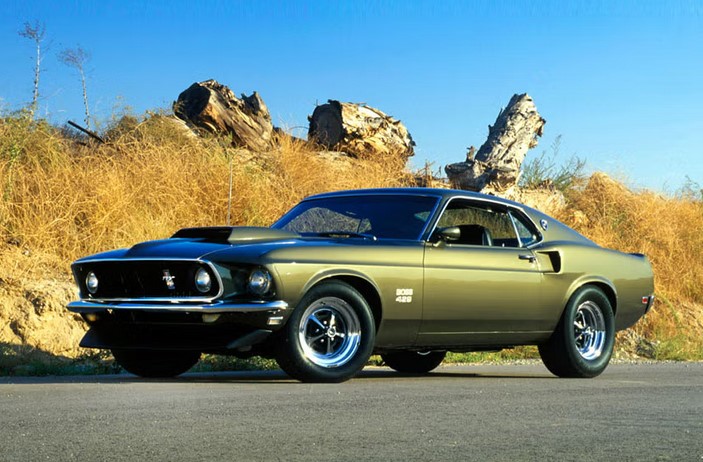
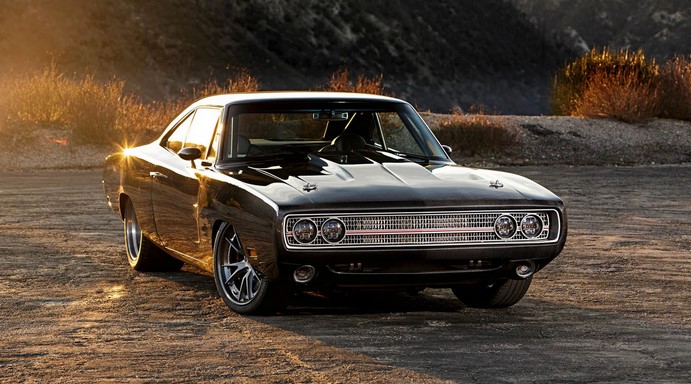
  • 1969 Dodge Charger: Immortalized by films and TV shows, the Charger blended muscle car power with a sleek, intimidating presence.
  • Ford Mustang (First Generation): Debuting in 1964, the Mustang created a new class of “pony cars,” combining affordability with sporty design and performance.

1980s and Beyond: Evolution and Endurance

While muscle cars gave way to more fuel-efficient vehicles, certain American classics from later decades have cemented their place in automotive history.

  • Chevrolet Camaro (Third Generation, 1982–1992): Known for its aerodynamic styling and improved handling, this Camaro kept the muscle car spirit alive during challenging times.
  • Cadillac Eldorado: Representing American luxury, the Eldorado exemplified opulence with advanced technology and plush interiors.

Subheading: The Legacy and Cultural Impact of These Classics

Iconic American classics are more than just vehicles; they embody American identity and ingenuity. Their presence in pop culture—from Hollywood blockbusters to music videos—has cemented their legendary status. Events like classic car rallies, auctions, and restoration communities continue to celebrate these vehicles, preserving their stories for new generations.

Collectors often seek original parts and authentic restorations, underscoring the cars’ value both financially and historically. The rise of vintage car clubs and museums dedicated to American automotive history further demonstrates the passion surrounding these classics.

3. The Future of American Classic Cars

While the term “classic” typically applies to older models, the influence of iconic American classics extends into the modern automotive industry. Contemporary American manufacturers draw inspiration from their storied past to design vehicles that capture the spirit of classic models with modern technology and efficiency.

Examples include:

  • The Ford Mustang Mach-E: A fully electric SUV that pays homage to the Mustang’s legacy while pushing forward into a sustainable future.
  • Chevrolet’s Revival of the Camaro and Corvette: These modern iterations blend heritage design cues with cutting-edge performance and safety features.

Moreover, as electric vehicles become more mainstream, enthusiasts debate what future “classics” will look like and how the American muscle car spirit will evolve. This dynamic dialogue ensures the continued relevance of American automotive culture in the decades to come.

The allure of iconic American classics lies in their blend of design, power, and cultural significance. From the chrome-adorned cruisers of the 1950s to the thunderous muscle cars of the 1960s and beyond, these vehicles are treasured symbols of American innovation and lifestyle. They remain celebrated by collectors, historians, and enthusiasts worldwide for their timeless appeal and enduring influence. As the automotive industry moves forward, these classics serve as both inspiration and benchmarks, reminding us of the golden eras that shaped American car culture and continue to captivate our imagination today.